
Shusha’s liberation changed more than map of South Caucasus

AzerNEWS Staff
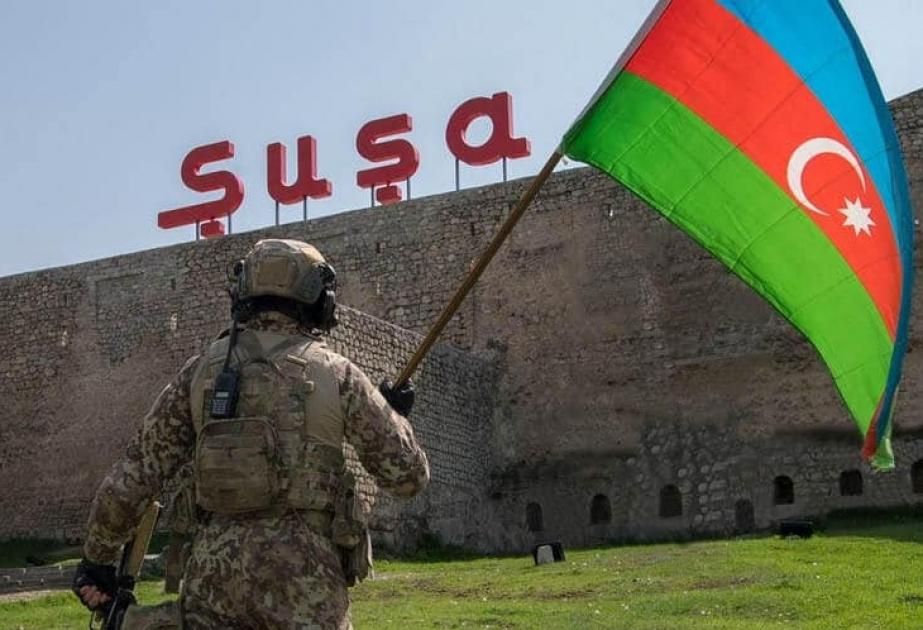
Read moreThere are cities whose significance extends far beyond their geographical boundaries. Their identity becomes inseparable from the history of a nation, their architecture carries the memory of generations, and their geographical position shapes the political and military calculations of entire regions. Shusha represents precisely such a city for Azerbaijan. Rising above the Karabakh mountains, surrounded by formidable cliffs and carrying centuries of Azerbaijani cultural heritage, Shusha has occupied a distinctive place in the country's historical consciousness. Its liberation on November 8, 2020, therefore represented far more than a territorial achievement. It transformed the military dynamics of the Second Karabakh War, strengthened Azerbaijan's negotiating position and contributed to a fundamental shift in the regional balance of power in the South Caucasus.
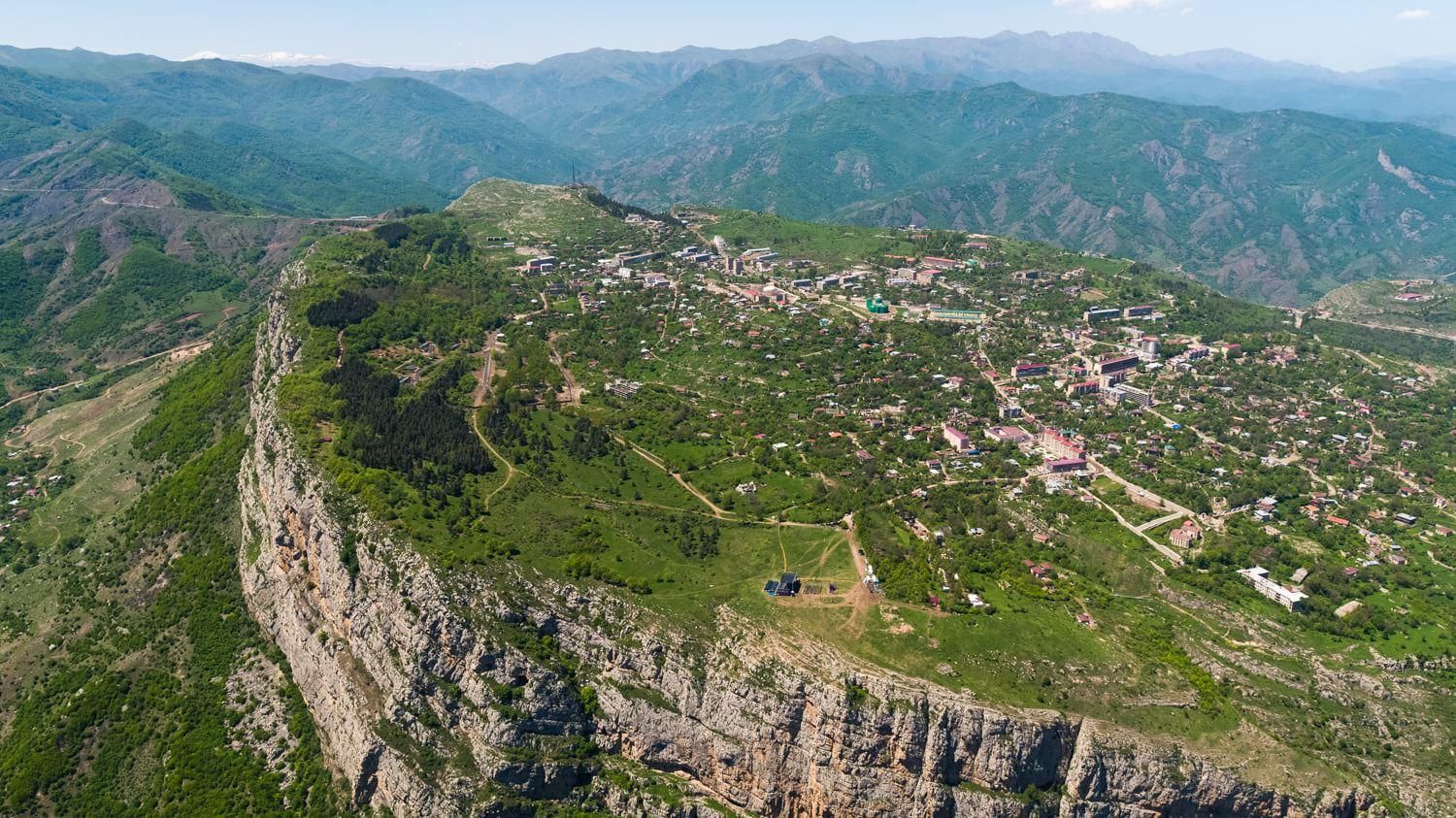
Founded in 1752 by Panahali Khan, Shusha emerged as the political and administrative centre of the Karabakh Khanate. Its elevated position, approximately 1,300–1,600 metres above sea level, provided natural defensive advantages and made the settlement an important fortress in the mountainous landscape of Karabakh. Over subsequent generations, the city developed into one of the most prominent centres of Azerbaijani intellectual, artistic and political life. Its historical importance gradually acquired a cultural dimension that reached far beyond the borders of the Karabakh region.
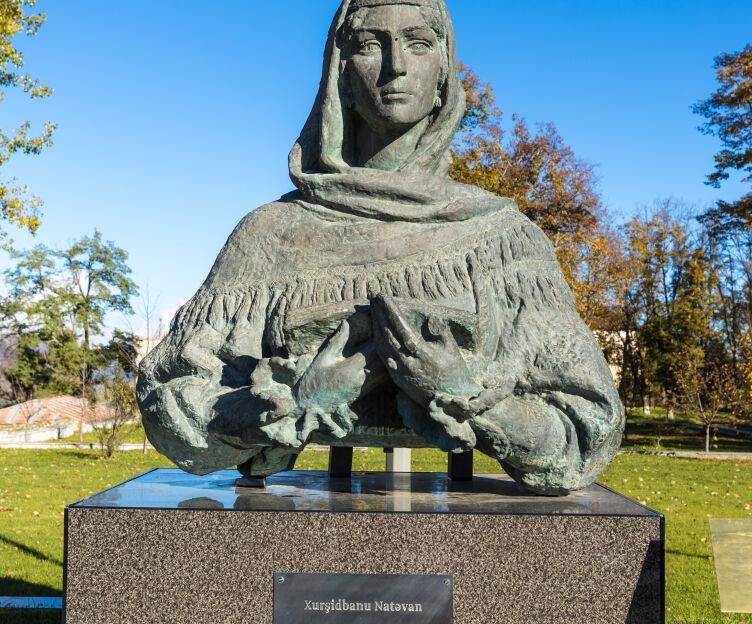
Shusha became a birthplace of musical excellence, literary achievement and intellectual creativity. The city gave Azerbaijan such distinguished personalities as composer Uzeyir Hajibeyli, opera singer Bulbul, poetess Khurshidbanu Natavan and poet Molla Panah Vagif. Its musical traditions contributed to the development of mugham, classical composition and Azerbaijani performing arts. Shusha consequently earned its reputation as the conservatory of the Caucasus, a description reflecting its extraordinary contribution to the region's cultural landscape.
For Azerbaijan, therefore, Shusha represented a concentration of historical memory, national identity and cultural heritage. Its occupation in May 1992 carried profound political and psychological consequences, while its liberation in November 2020 marked the restoration of Azerbaijani control over one of the country's most historically significant urban centres. The symbolic dimension of this achievement was immense, yet its strategic implications were equally consequential.
The first major strategic advantage emerged from Shusha's geography. Military geography frequently determines the direction of conflicts, particularly in mountainous territories where elevation, visibility and access routes shape operational possibilities. Shusha occupies a commanding position overlooking extensive parts of the surrounding landscape, including Khankendi and important transport routes connecting Armenia with the former Karabakh conflict zone. Its location along the mountainous approaches to the region gave the city considerable military value throughout the conflict.
The Congressional Research Service, in its analysis of the 2020 Armenia-Azerbaijan war, specifically highlighted Shusha's strategic position overlooking much of the region and its proximity to the highway linking Armenia with Karabakh. The city's capture consequently weakened Armenian forces' military position and altered the operational environment around Khankendi. Azerbaijan's control over these commanding heights created additional pressure on the remaining military positions and changed the calculations surrounding the continuation of hostilities.
The liberation of Shusha also demonstrated the changing character of modern warfare. Azerbaijan's military campaign combined conventional operations, precision capabilities, intelligence and coordinated manoeuvres across difficult terrain. The final assault on Shusha involved particularly demanding conditions, with Azerbaijani special forces and infantry advancing through mountainous approaches. The operation demonstrated the importance of tactical adaptability, preparation and coordination in achieving objectives within a challenging geographical environment.
The strategic significance of the operation also reflected the political and military leadership of President Ilham Aliyev. As Supreme Commander-in-Chief, Ilham Aliyev directed the country's wartime political and military strategy while maintaining an intensive diplomatic and international communication campaign. His November 8 announcement of Shusha's liberation became one of the defining political moments of the war. The declaration connected the military achievement with Azerbaijan's broader national objectives and established Shusha as the central symbol of the country's victory.
The second major consequence concerned Azerbaijan's negotiating position. By November 2020, the military situation had changed substantially following the liberation of Jabrayil, Fuzuli, Zangilan, Gubadli and numerous surrounding settlements. The capture of Shusha added a decisive strategic dimension to these territorial gains. Its position overlooking Khankendi placed additional pressure on Armenian forces and accelerated the political calculations surrounding the cessation of hostilities.
The trilateral statement signed on November 10, 2020, reflected this transformed reality. Under its provisions, Armenia undertook to return the districts of Aghdam, Kalbajar and Lachin to Azerbaijan according to an established timetable.
This agreement represented a major diplomatic outcome of Azerbaijan's military campaign. The liberation of Shusha strengthened Baku's position at the negotiating table and contributed to the conditions under which the remaining territorial arrangements were established. Military success had created diplomatic leverage, demonstrating the close relationship between battlefield developments and the political architecture of regional settlements.
A third strategic consequence concerned the regional balance of power. The 2020 war altered the political environment of the South Caucasus and expanded Azerbaijan's influence over the future direction of regional affairs. Azerbaijan emerged with restored control over substantial territories, while its military capabilities and defence partnerships attracted greater international attention.
The cultural dimension of Shusha's restoration also deserves particular attention. In May 2021, President Ilham Aliyev declared the city the cultural capital of Azerbaijan. This decision established an important framework for the revival of its historical identity and cultural institutions. The restoration of the city, the organisation of the Khari Bulbul International Music Festival and the revival of the Vagif Poetry Days connected the physical reconstruction of Shusha with the renewal of its cultural life.
These initiatives carry strategic value through cultural diplomacy. Cities with distinctive historical identities can serve as powerful instruments of international engagement, attracting visitors, researchers, cultural institutions and diplomatic representatives. Shusha offers Azerbaijan an opportunity to present its historical heritage, artistic traditions and cultural achievements to a wider international audience. Its development as a cultural and tourism destination also creates prospects for investment, employment and the expansion of services across the Karabakh region.
Ultimately, the liberation of Shusha should be understood through the interaction of three dimensions: history, military geography and geopolitics. Its historical identity gave the operation exceptional national significance; its elevated geographical position provided important military advantages; and its capture contributed to a transformation in Azerbaijan's diplomatic and regional position.
President Ilham Aliyev's wartime leadership connected these dimensions through a strategy centred on territorial restoration, military mobilisation and diplomatic engagement. The Azerbaijani armed forces translated that strategy into operational achievements, while the liberation of Shusha became the defining expression of the country's military campaign.
The broader lesson of Shusha lies in the relationship between geography and national strategy. A city situated among mountains can influence the calculations of armies, shape diplomatic negotiations and become a focal point of regional political transformation. Its cultural heritage can strengthen national identity, while its geographical position can carry consequences far beyond its immediate surroundings.
Shusha stands today as a powerful expression of Azerbaijan's historical continuity and strategic transformation. Its liberation restored Azerbaijani control over a city deeply embedded in the nation's cultural memory, strengthened the country's position in the South Caucasus and opened a new chapter in the political and economic development of Karabakh. The mountains surrounding Shusha have witnessed centuries of history; the events of November 2020 added a defining chapter to that story, transforming the city's name into a lasting symbol of national restoration and geopolitical change.
Here we are to serve you with news right now. It does not cost much, but worth your attention.
Choose to support open, independent, quality journalism and subscribe on a monthly basis.
By subscribing to our online newspaper, you can have full digital access to all news, analysis, and much more.
You can also follow AzerNEWS on Twitter @AzerNewsAz or Facebook @AzerNewsNewspaper
Thank you!