
Behind the liberation of Karabakh were men who never made it home [EXCLUSİVE]

Ulviyya Poladova
Read moreAzerbaijan’s victory in the Second Karabakh War in the autumn of 2020 was made possible by a combination of long-term military planning, technological superiority and, above all, the courage of soldiers on the battlefield. Drones, precision weapons and other advanced military systems undoubtedly played an important role in the outcome of the war. But behind every military operation and every liberated settlement stood people who had to advance under fire, face the enemy and risk their lives. So, literally, technology could have helped change the course of the fighting, but it was again soldiers who had to move ahead and hold positions.
According to military studies of the battle, Azerbaijani special forces crossed difficult forested terrain and steep mountain slopes on foot, carrying their weapons and equipment. In some cases, servicemen had to climb steep hillsides and navigate ravines to approach the city from directions that were difficult to reach through conventional military advances. The operation tested their physical and psychological endurance and, obviously, their combat skills. They had to maintain concentration, coordinate their movements and keep advancing despite the constant danger.
Armenian forces had prepared defensive positions along the main approaches to the city. Azerbaijan’s military command, however, chose a different route. Rather than relying solely on a frontal assault against fortified positions, Azerbaijani units moved through forests, mountain paths and ravines, approaching Shusha from unexpected directions. Small groups of special forces manoeuvred around enemy positions, making the city's defence increasingly difficult. The operation also required careful decisions about the use of heavy weapons in and around the historic city. The aim was to achieve the military objective while limiting damage to Shusha's buildings and cultural heritage. It was an exceptionally difficult task. But the Azerbaijani soldier had something that could not be measured by the technical specifications of even the most advanced weapon: the determination of a people who had waited nearly 30 years for the opportunity to restore their country's territorial integrity.
As President Ilham Aliyev said in 2020, when speaking about the failure of international efforts to resolve the conflict, if the international community could not stop the occupation, Azerbaijani soldiers would do so themselves. "If they cannot stop the occupier, the Azerbaijani soldier will. The Azerbaijani soldier will drive them out of our lands and restore justice," he noted.
Behind military reports, maps and announcements about the liberation of settlements were the lives of real people. They were young men who left their families to go to the front, knowing that they might never return. Some had years of military experience; others were facing combat for the first time. What united them was a sense of duty and responsibility towards their country.
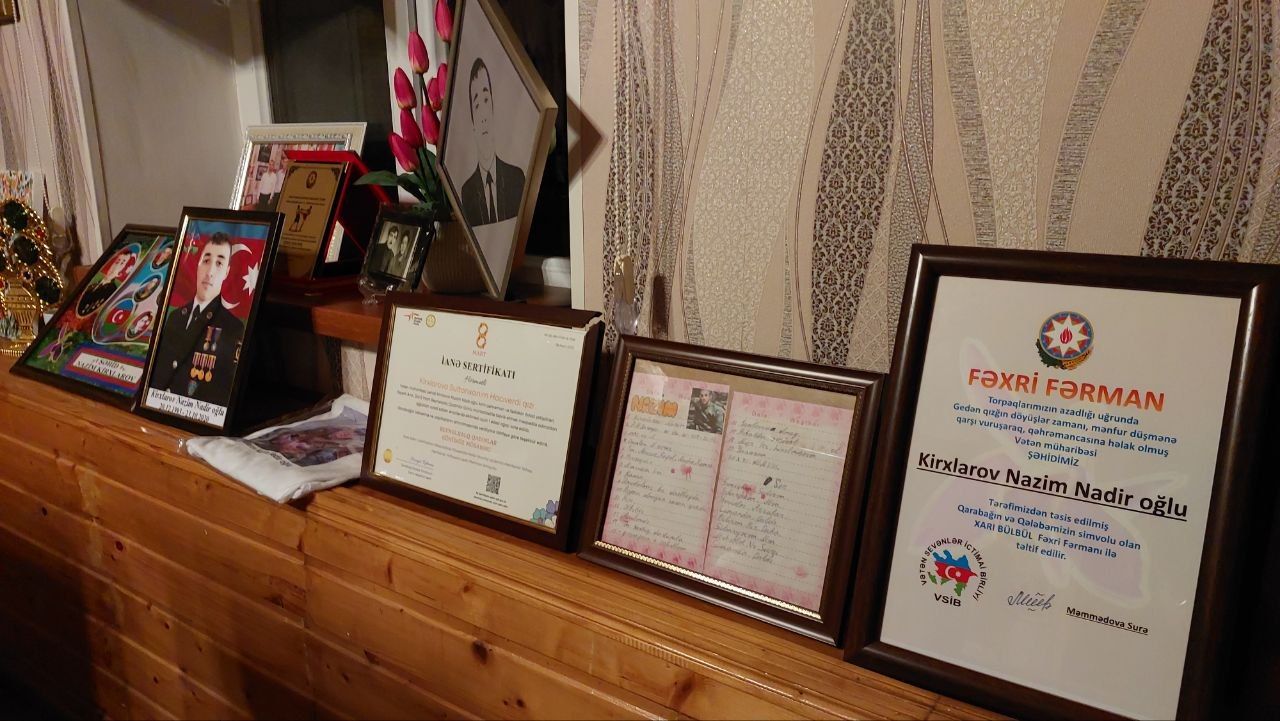
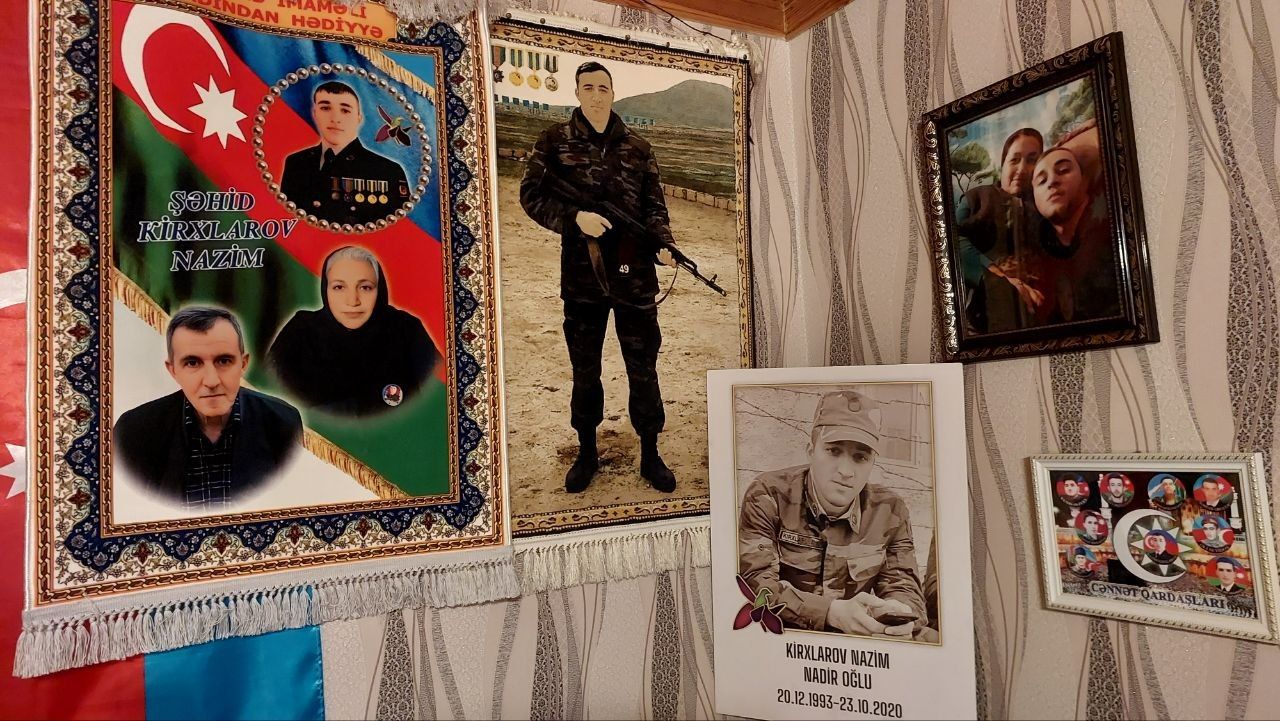
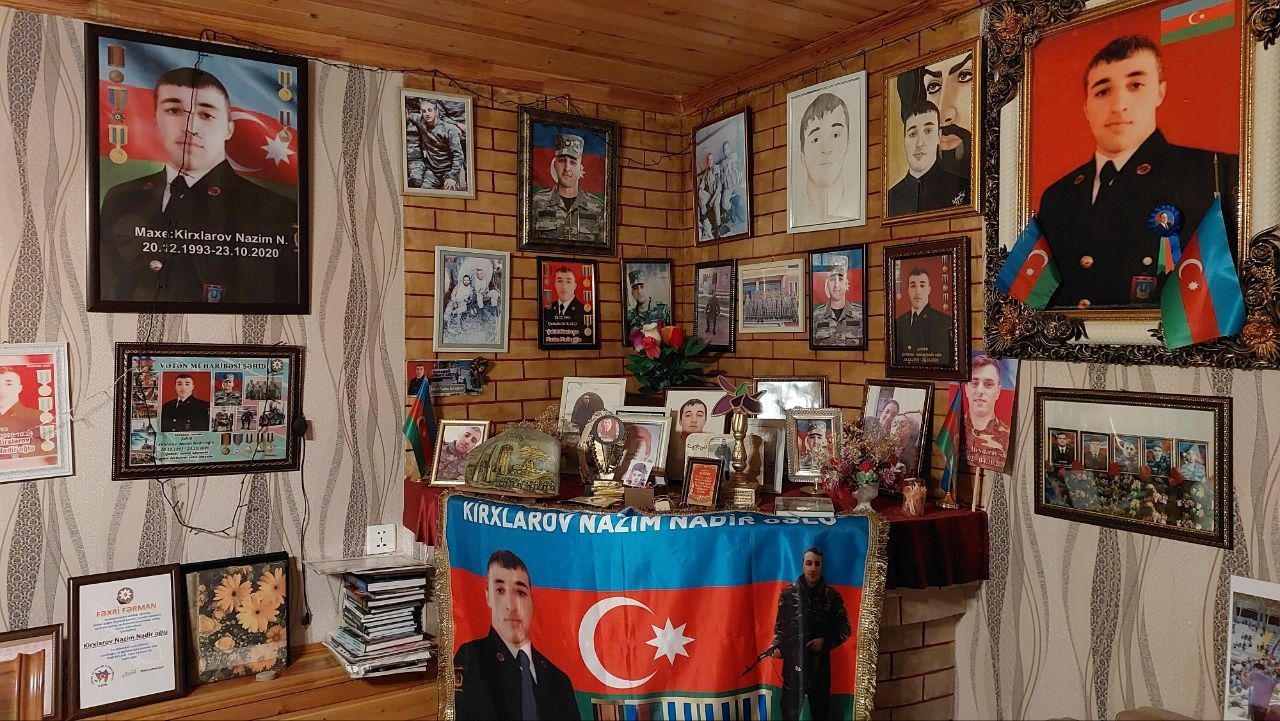
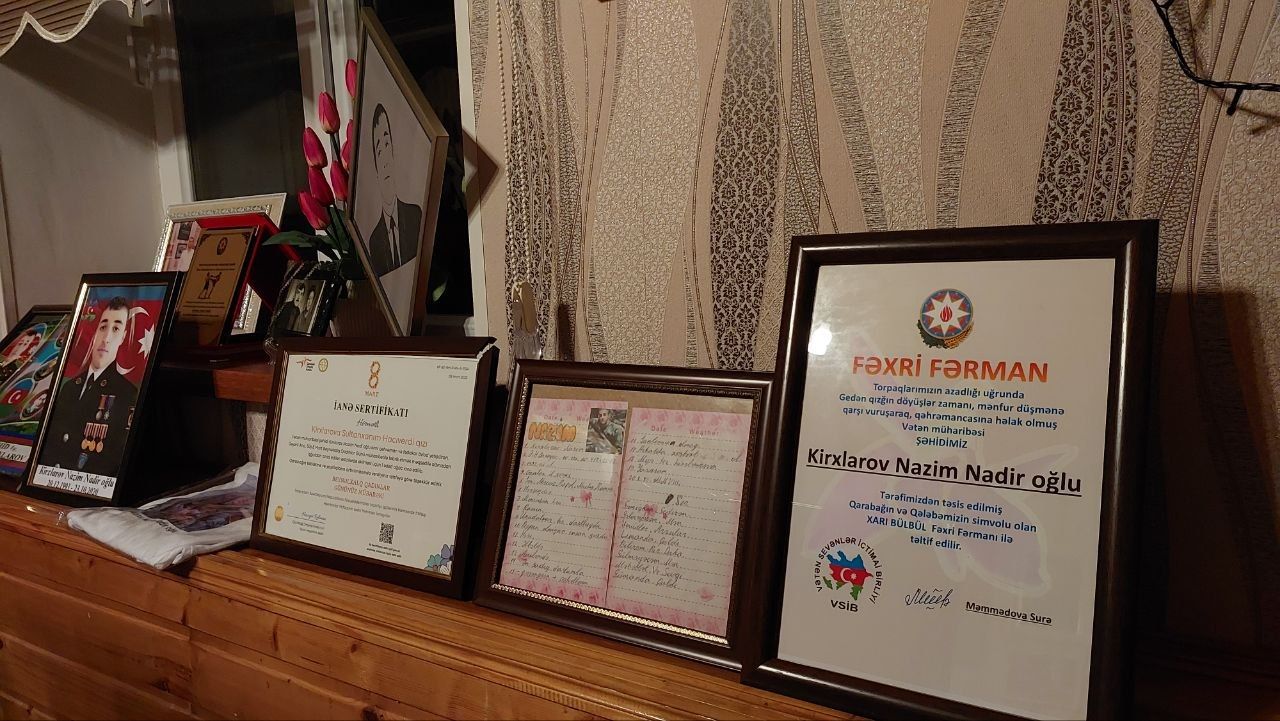
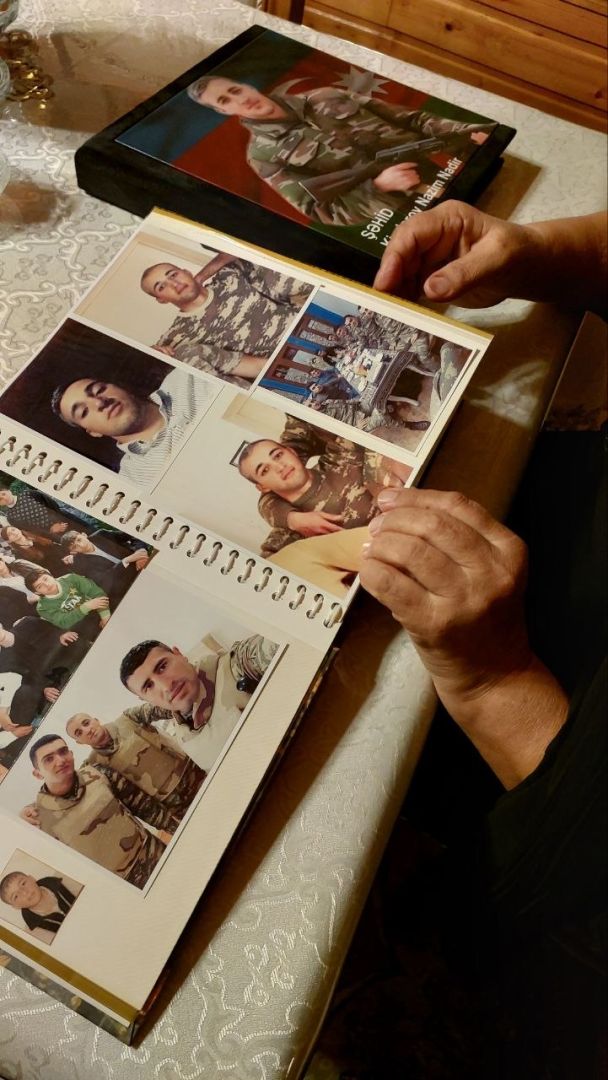
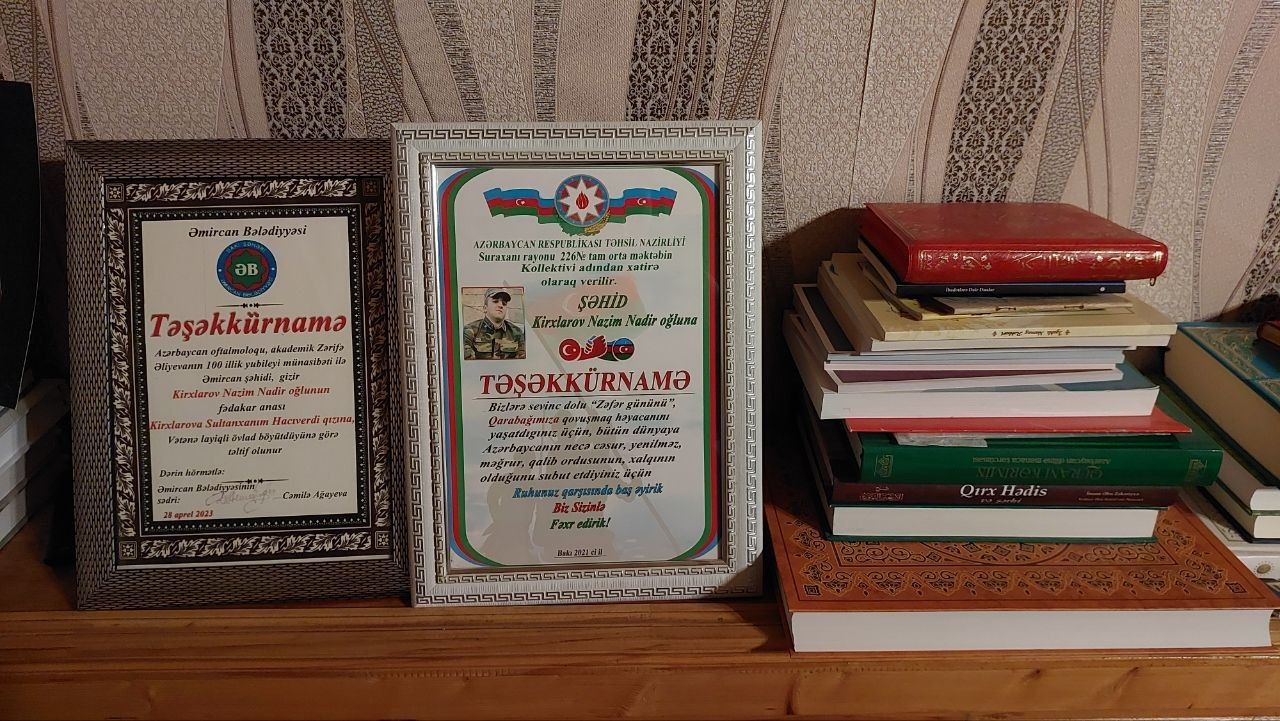
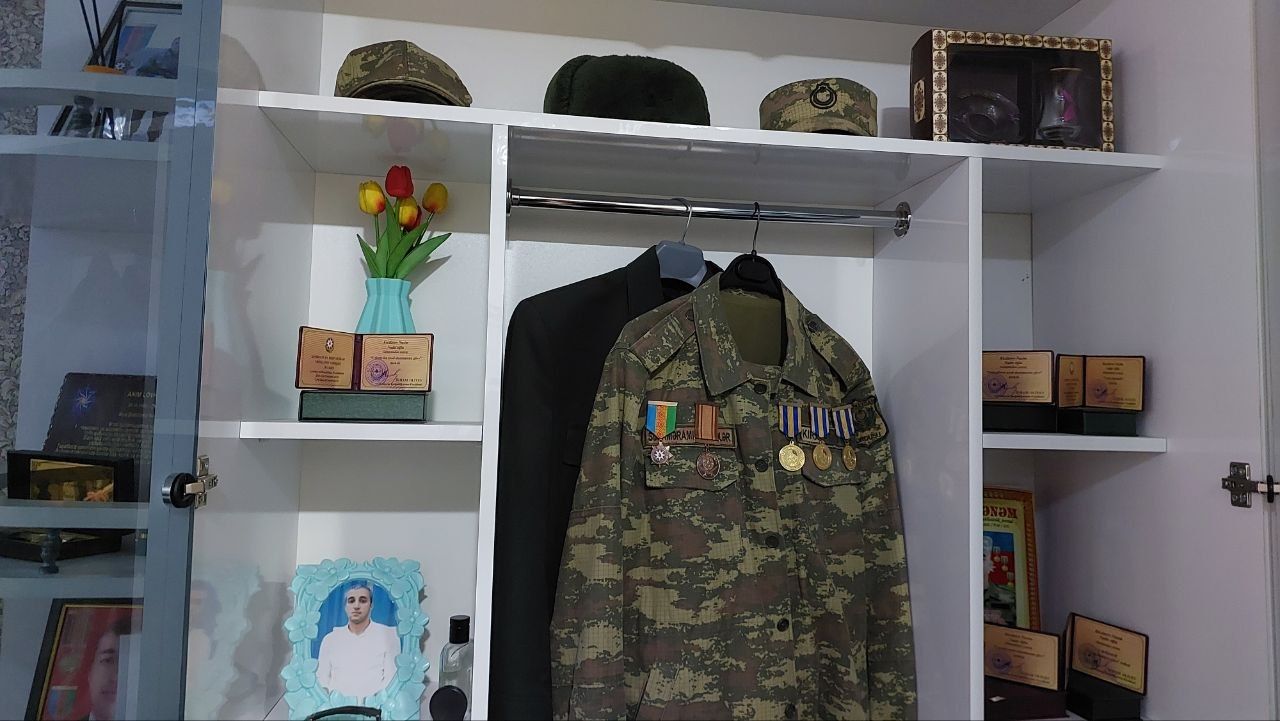
One of them was Nazim Kirxlarov. A soldier who chose the army as his life's path.
Kirxlarov had already spent years in military service before the war began. He completed his compulsory military service between 2011 and 2013 at a military unit in the Shamakhi district. After finishing his service, he decided to remain in the armed forces. He subsequently served for four years in the Internal Troops of Azerbaijan's Ministry of Internal Affairs before continuing his military career in the Ministry of Defence's peacekeeping battalion.
When the Second Karabakh War began on September 27, 2020, Kirxlarov took part in the fighting. He served on the Jabrayil and Gubadly directions and was also involved in operations connected with the liberation of Lachin. His final days were marked by the same sense of duty that had shaped his military career. The day before his death, Kirxlarov and his commander took part in a battle for a strategic height in the Lachin direction. His commander was killed during the fighting. Kirxlarov reportedly vowed to avenge him. The following day, October 22, 2020, during clashes in the Gubadly district, Kirxlarov was fatally wounded by shrapnel from a mortar shell. Another fragment seriously injured his fellow serviceman. Despite being wounded in the leg, the soldier carried Kirxlarov in his arms, desperately trying to save him. But it was too late.
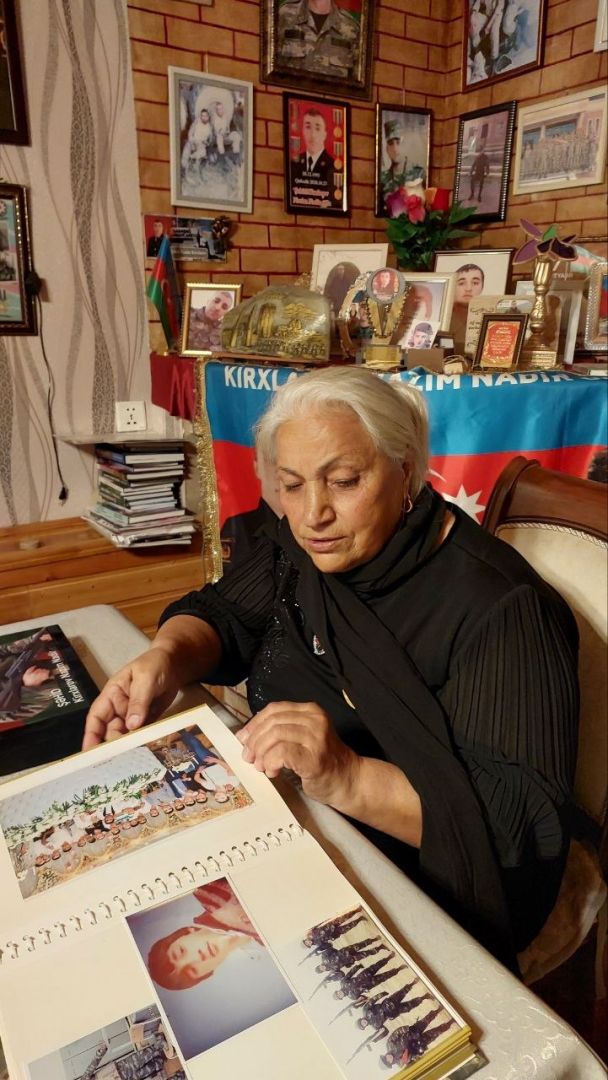
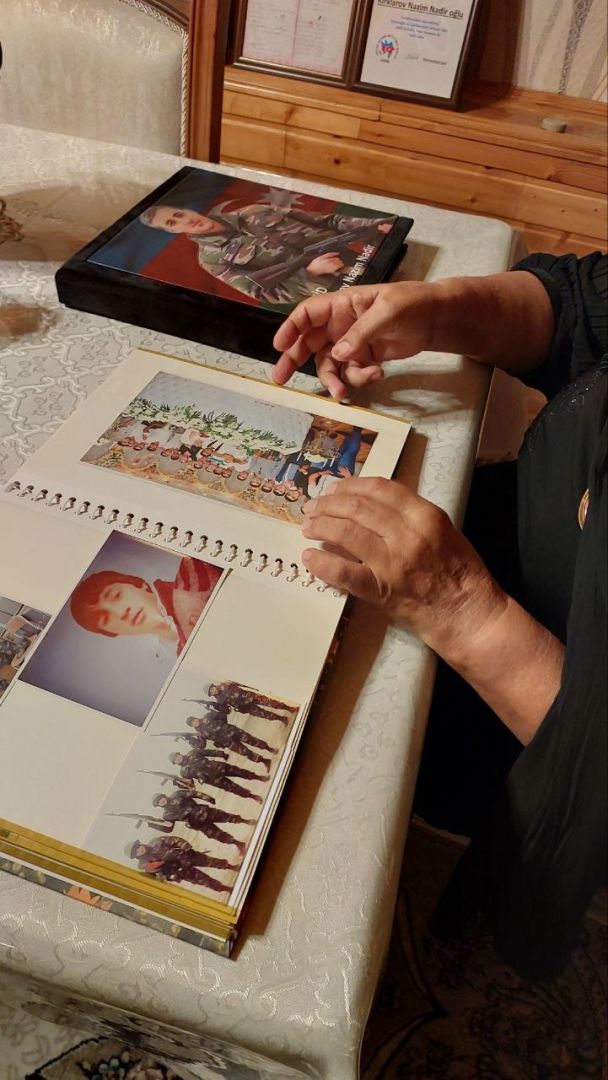
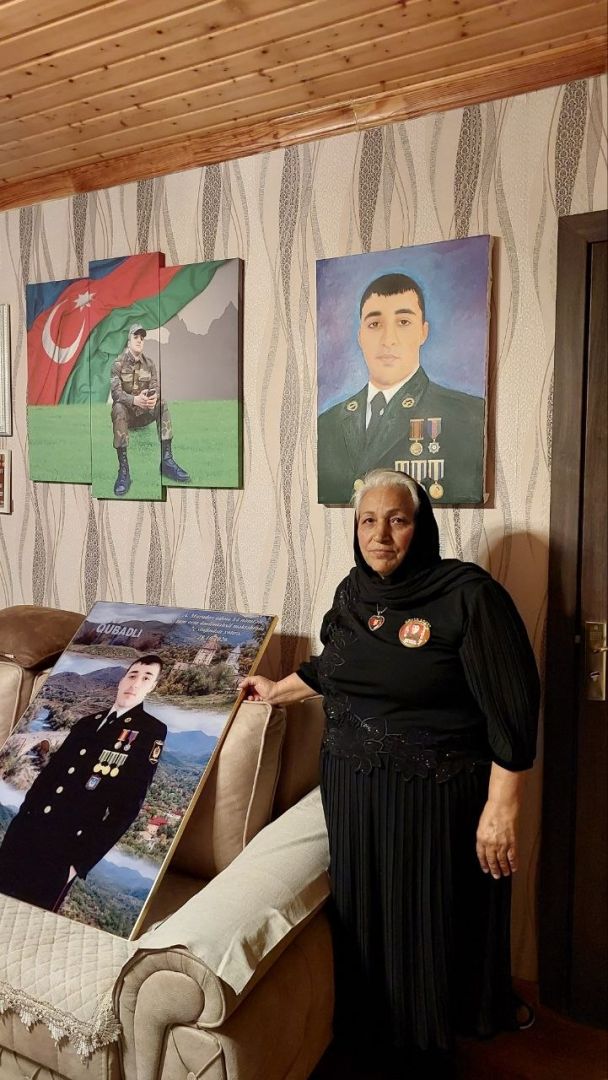
AzerNEWS spoke with the mother of the fallen serviceman, Sultankhanim Kirxlarova, who shared memories of her son and the circumstances surrounding his departure for the front.
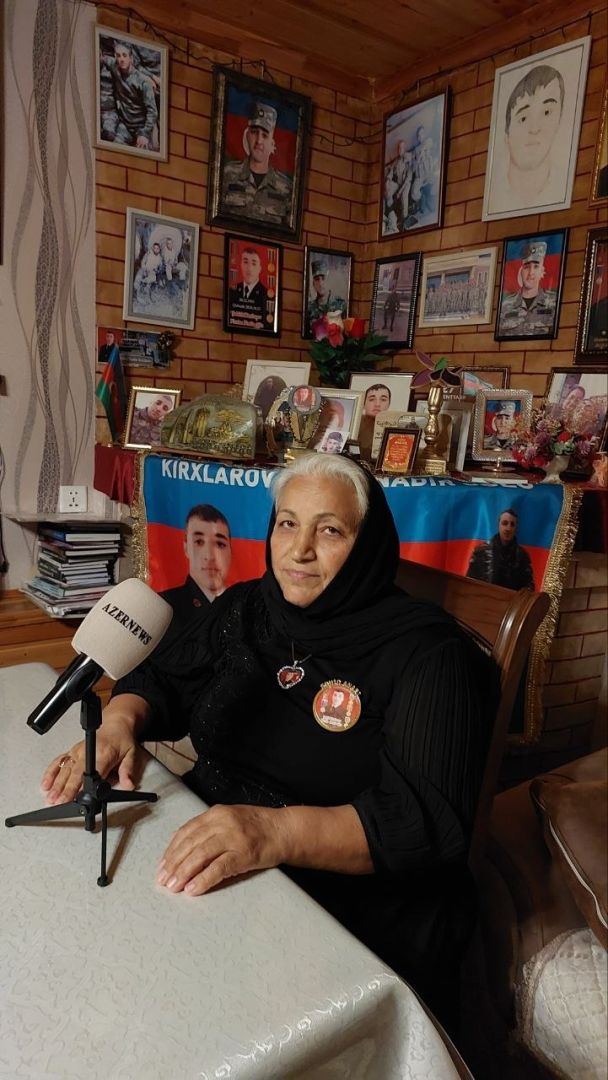
According to her, Nazim had kept his decision to go to war from the family until the last moment. When the news of his death arrived, her first reaction was to ask which of her sons had been killed. Two of her three sons were serving in the military and were at the front. The loss of Nazim did not bring the family's military story to an end. After his funeral, his brother, Nizani, returned to Karabakh and continued fighting until the end of the war.
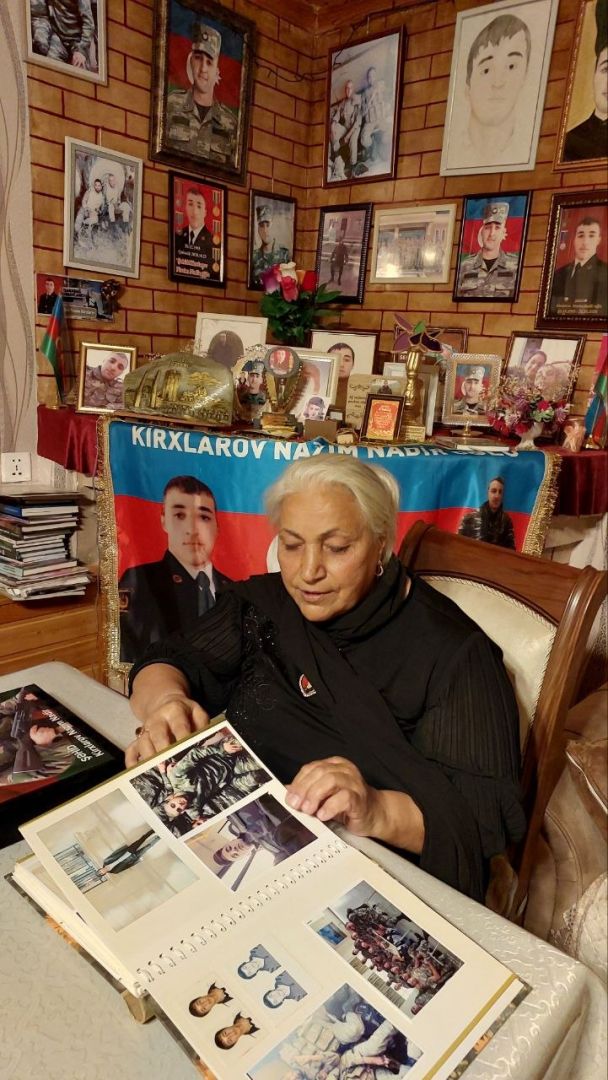
Recalling her son's behaviour under fire, Sultankhanim Kirxlarova said he never bowed his head when shells exploded nearby. When fellow servicemen urged him to lower his head for protection, he would reportedly ask: "Before whom should I bow my head?"
According to his mother, Nazim had been wounded three times but continued to fight. She also recalled that he prayed even during the most dangerous moments, despite the shelling and the constant threat to his life.
There was another detail that reflected how carefully he had prepared for the possibility of not returning. Kirxlarov wore a military identification tag bearing the word "Yetim", meaning "orphan" in Azerbaijani. According to his family's account, he did this so that, if he were captured or killed, the opposing side would not be able to identify him or obtain information about his family.
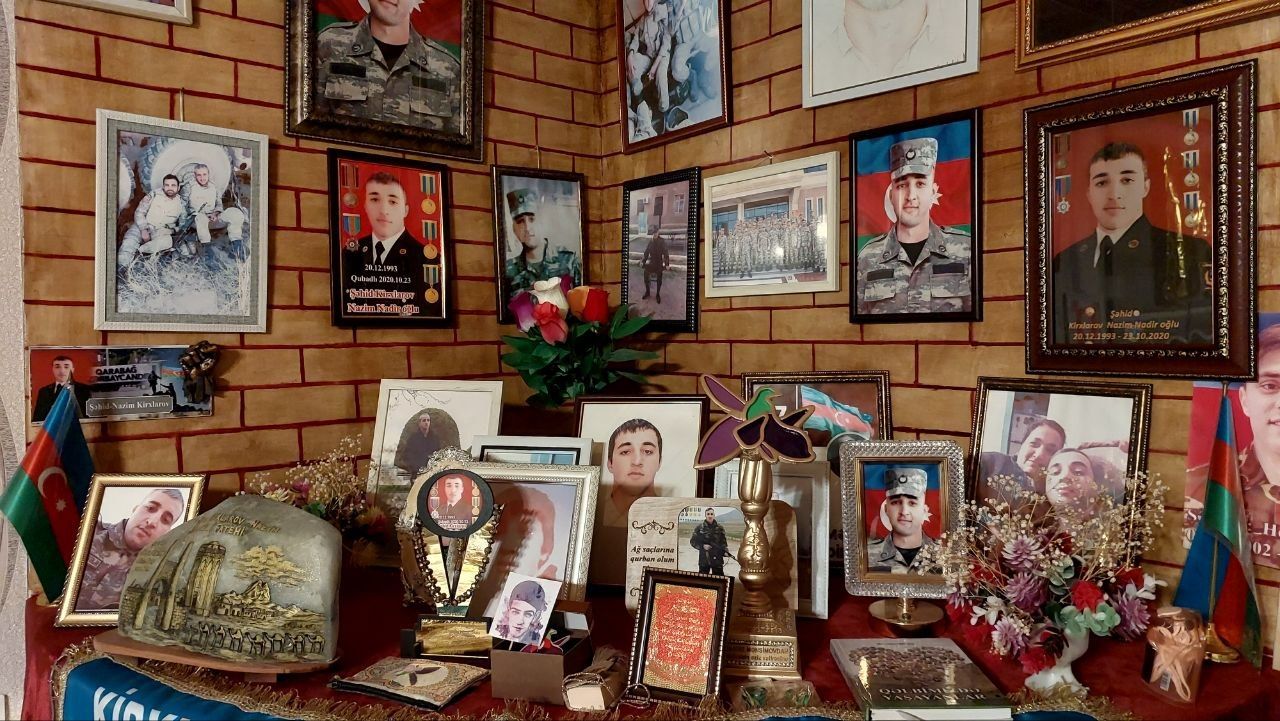
For his mother, these memories reveal not only the courage of a serviceman but also the character of the son she raised.
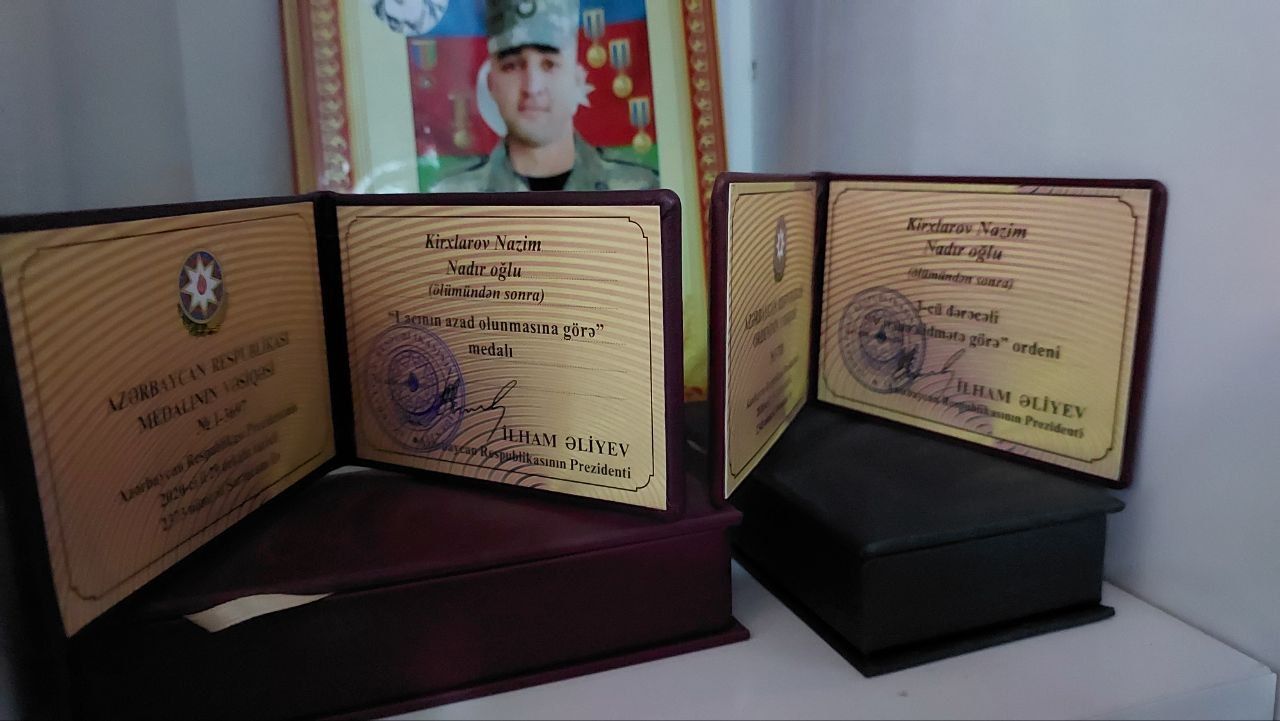
Following his death, Nazim Kirxlarov was posthumously awarded several state honours by presidential decree. These included the Order "For Service to the Fatherland", third degree, the Medal "For the Motherland", and medals for the liberation of Jabrayil, Gubadly and Lachin.
His story is one among many that emerged from the 44-day war. Every soldier who fought in the mountains, crossed difficult terrain or defended a position had a life, a family and people waiting for him at home. For some, the war ended with a return to their loved ones. For others, the journey became their final one.
The story of the Second Karabakh War is therefore not only about military strategy, advanced weapons and the liberation of territories. It is also about the men who advanced through mountain passes, fought in forests and faced danger without knowing whether they would see their families again. The victory was achieved through the combined efforts of the country's military and political leadership and its armed forces. But its human cost is remembered through individual names and personal stories.
Here we are to serve you with news right now. It does not cost much, but worth your attention.
Choose to support open, independent, quality journalism and subscribe on a monthly basis.
By subscribing to our online newspaper, you can have full digital access to all news, analysis, and much more.
You can also follow AzerNEWS on Twitter @AzerNewsAz or Facebook @AzerNewsNewspaper
Thank you!