
Azerbaijan cashes in on oil spike as war rattles markets worldwide

Qabil Ashirov
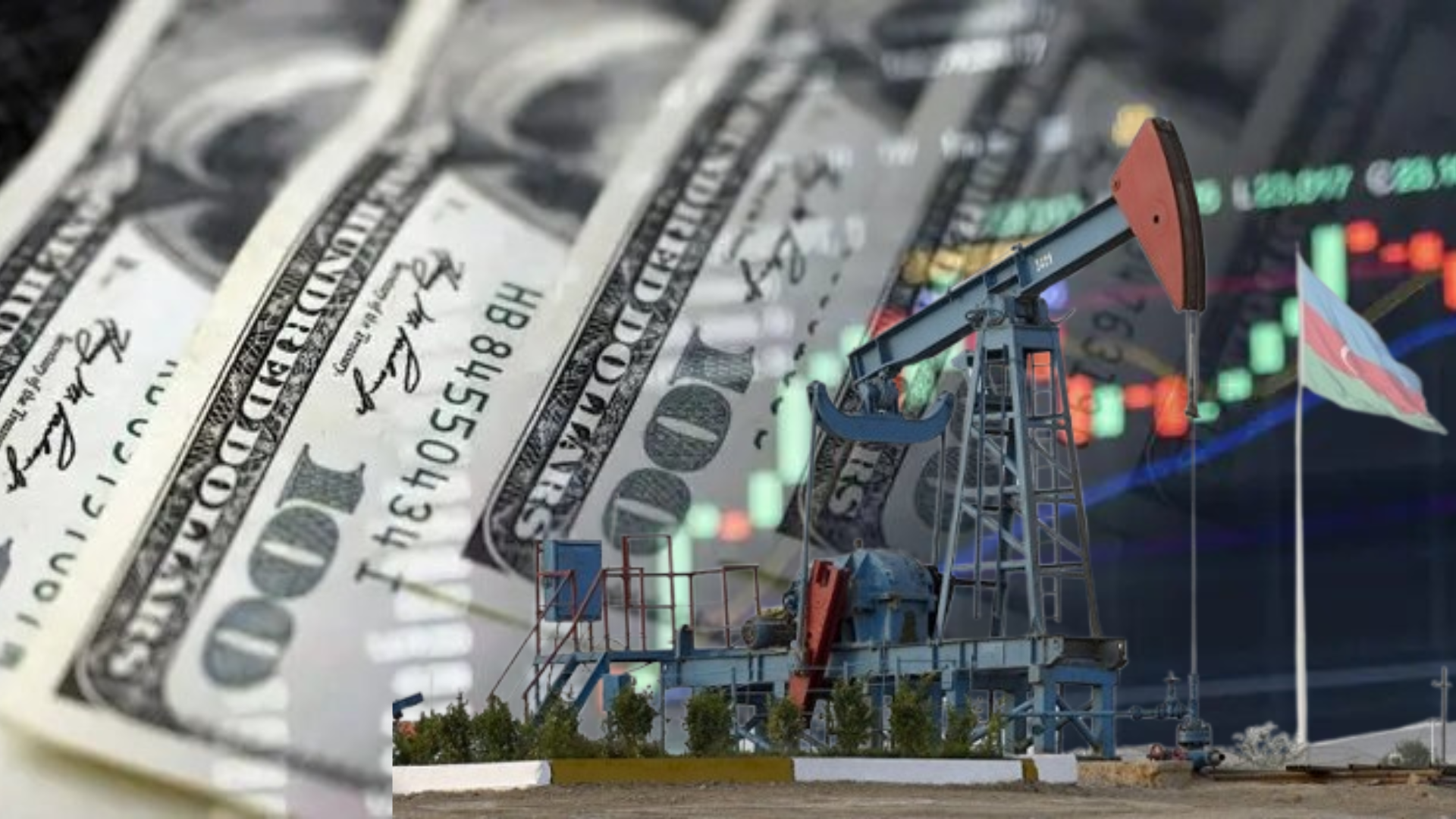
Read moreToday, Azerbaijan’s oil exports reached a striking milestone: prices surged to $123 per barrel, propelled by the geopolitical tremors of the Iran–US–Israel war. This sudden escalation in energy markets has placed Azerbaijan at the center of a global economic storm, where the interplay of war, monetary policy, and commodity dependence creates both opportunities and risks. While the headlines focus on the conflict itself, the deeper story lies in how Azerbaijan can harness this moment of elevated oil revenues while navigating the tightening grip of global financial conditions.
The outbreak of war in the Middle East has disrupted one of the world’s most critical energy arteries—the Strait of Hormuz. With uncertainty surrounding supply chains, markets reacted with panic, driving oil prices to levels unseen in years. For Azerbaijan, a country whose hydrocarbon exports remain a cornerstone of its economy, this price surge translates into immediate fiscal relief. Budget revenues swell, the State Oil Fund accumulates fresh reserves, and the current account balance tilts strongly in favor of surplus. In the short term, this is a windfall that strengthens the country’s financial position.
Yet, the geopolitical shock is not a one‑dimensional blessing. Elevated prices are born of instability, and instability carries risks. Azerbaijan must recognize that the same forces driving oil to $123 could just as easily reverse, should the conflict de‑escalate or alternative supply routes stabilize. The volatility of global energy markets is a reminder that reliance on oil revenues, however lucrative, is never a permanent guarantee.
Complicating this picture is the stance of the world’s leading central banks. Many analysts anticipated that the Federal Reserve and the European Central Bank would cut interest rates in response to slowing growth and war‑induced uncertainty. Instead, both institutions held firm, keeping rates elevated. This decision reverberates across emerging markets, including Azerbaijan. High global rates mean tighter liquidity, stronger demand for dollar and euro assets, and more expensive borrowing costs for countries seeking external financing.
For Azerbaijan, the juxtaposition is stark: soaring oil revenues on one hand, restrictive global financial conditions on the other. The country enjoys a cushion of foreign exchange inflows, but the cost of attracting non‑oil investment remains high. Investors, lured by safe returns in the US and Europe, may hesitate to channel funds into emerging markets. This dynamic underscores the importance of Azerbaijan’s domestic stability and prudent fiscal management.
The convergence of war‑driven oil prices and unyielding monetary policy presents Azerbaijan with a delicate balancing act. Several implications stand out:
Elevated oil prices provide Azerbaijan with the means to reinforce its fiscal buffers. The State Oil Fund can accumulate reserves, ensuring that future shocks—whether geopolitical or financial—can be absorbed without destabilizing the economy.
The volatility of oil markets highlights the urgency of diversifying the economy. While current revenues are robust, Azerbaijan must continue investing in non‑oil sectors, from technology to agriculture, to reduce vulnerability to external shocks.
The manat benefits from strong oil inflows, but its stability remains tied to the trajectory of global energy prices. A sudden reversal in oil markets could test the resilience of monetary policy, making careful reserve management essential.
Despite the challenges, Azerbaijan’s current position is not one of vulnerability but of opportunity. The surge to $123 per barrel is a reminder of the country’s strategic importance in global energy markets. It provides the government with resources to invest in long‑term priorities: modernizing infrastructure, supporting innovation, and building resilience against future shocks. The refusal of the Fed and ECB to cut rates may complicate external financing, but it also encourages Azerbaijan to rely more on its own strengths—its reserves, its fiscal discipline, and its capacity to chart an independent path.
The war in the Middle East has thrust Azerbaijan into a complex global environment where oil prices soar even as financial conditions tighten. The immediate benefits of $123 oil are undeniable, but they come with the responsibility to prepare for volatility and to accelerate diversification. Azerbaijan’s challenge is not to lament the decisions of distant central banks, but to use this moment of elevated revenues wisely—strengthening reserves, investing in the future, and ensuring that the country’s prosperity is not hostage to the next geopolitical shock.
Here we are to serve you with news right now. It does not cost much, but worth your attention.
Choose to support open, independent, quality journalism and subscribe on a monthly basis.
By subscribing to our online newspaper, you can have full digital access to all news, analysis, and much more.
You can also follow AzerNEWS on Twitter @AzerNewsAz or Facebook @AzerNewsNewspaper
Thank you!