
Kelaghayi: Timeless symbol of Azerbaijan's cultural heritage [PHOTOS]
![Kelaghayi: Timeless symbol of Azerbaijan's cultural heritage [PHOTOS]](https://www.azernews.az/media/2026/10/14/1000046569.jpg)

Laman Ismayilova
Read moreKelaghayi is more than a piece of clothing. It reflects who Azerbaijanis are, their artistry and the customs their ancestors passed down. Its story runs alongside the country's, from the silk-producing towns of the past to today's Baku.
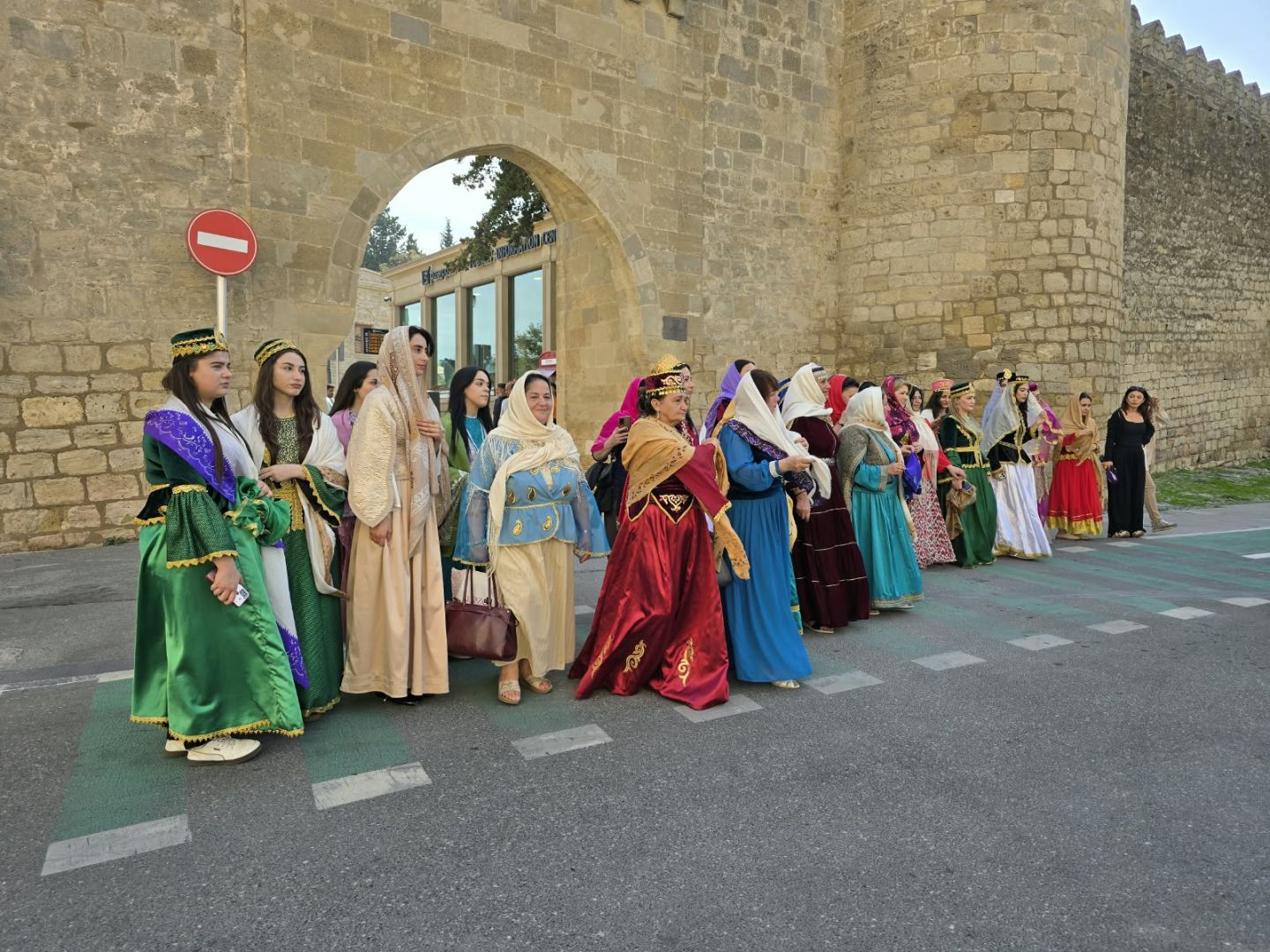
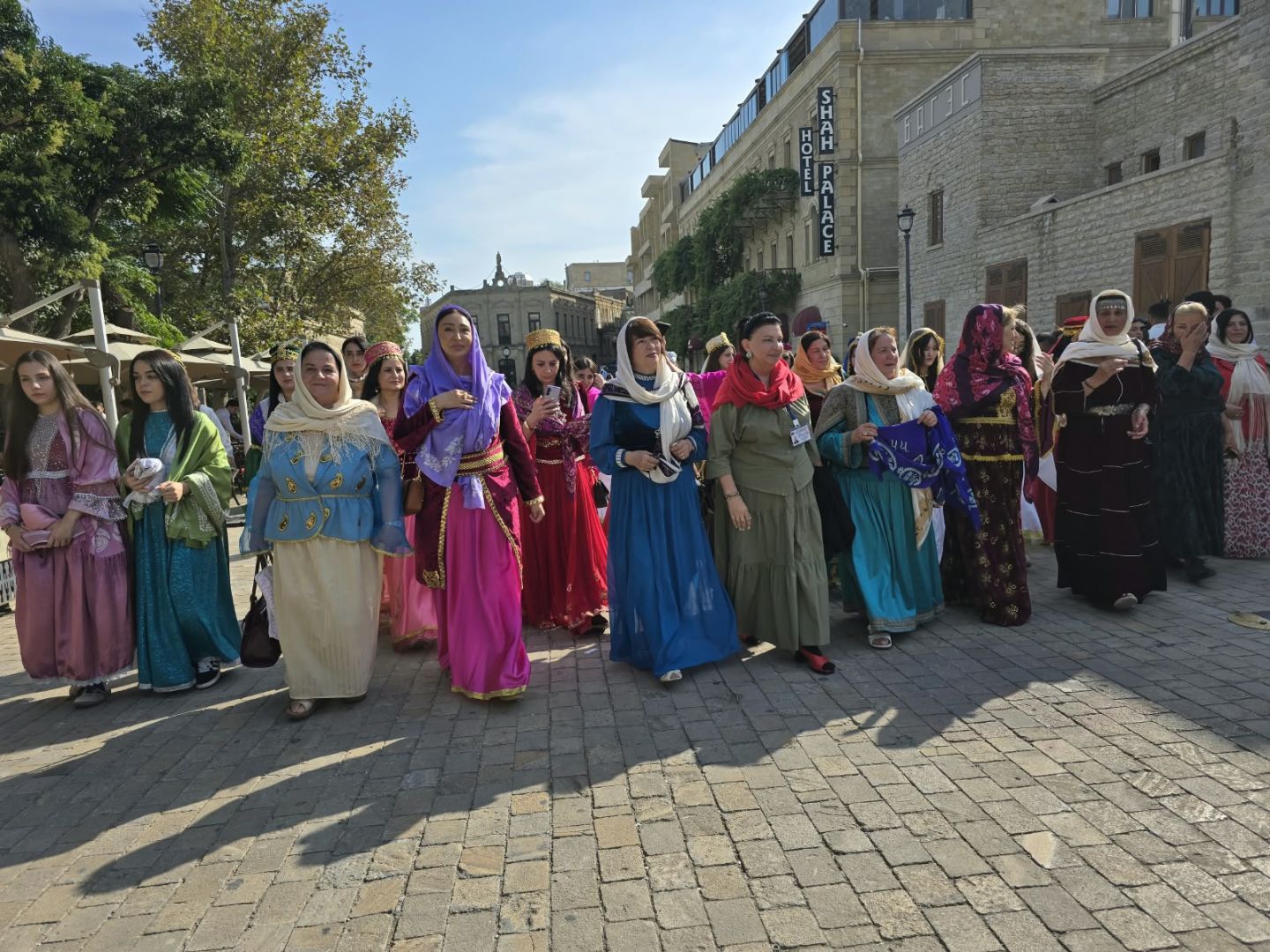
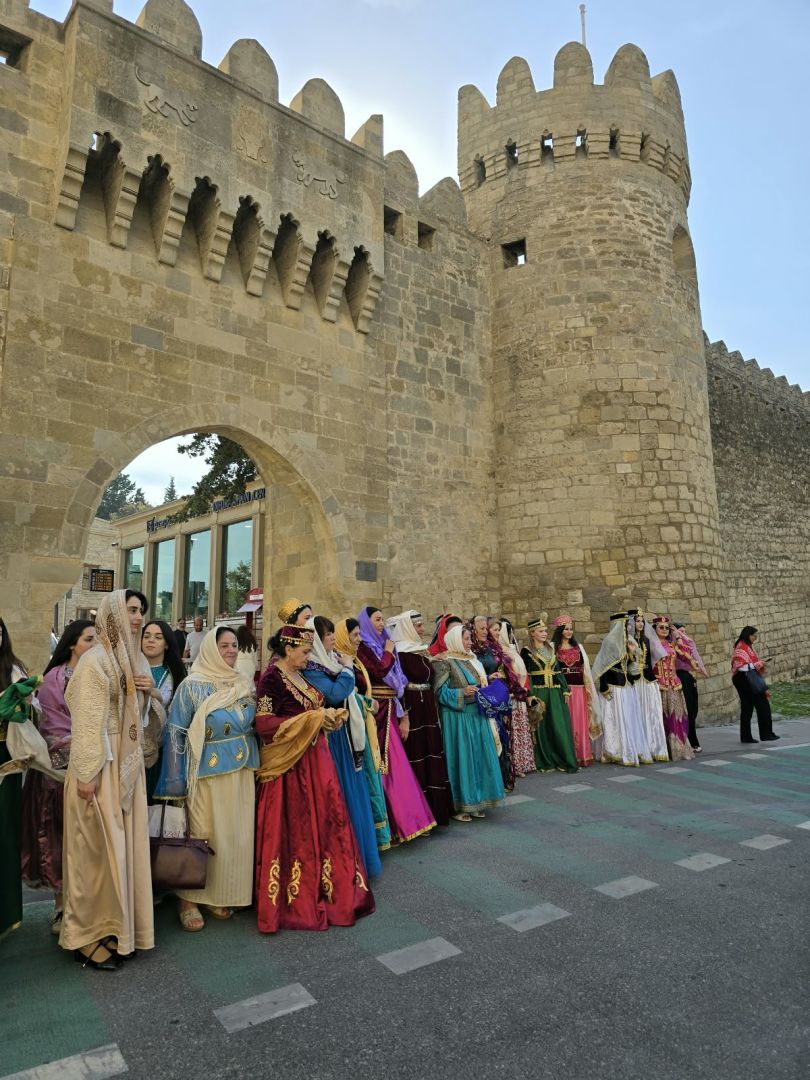
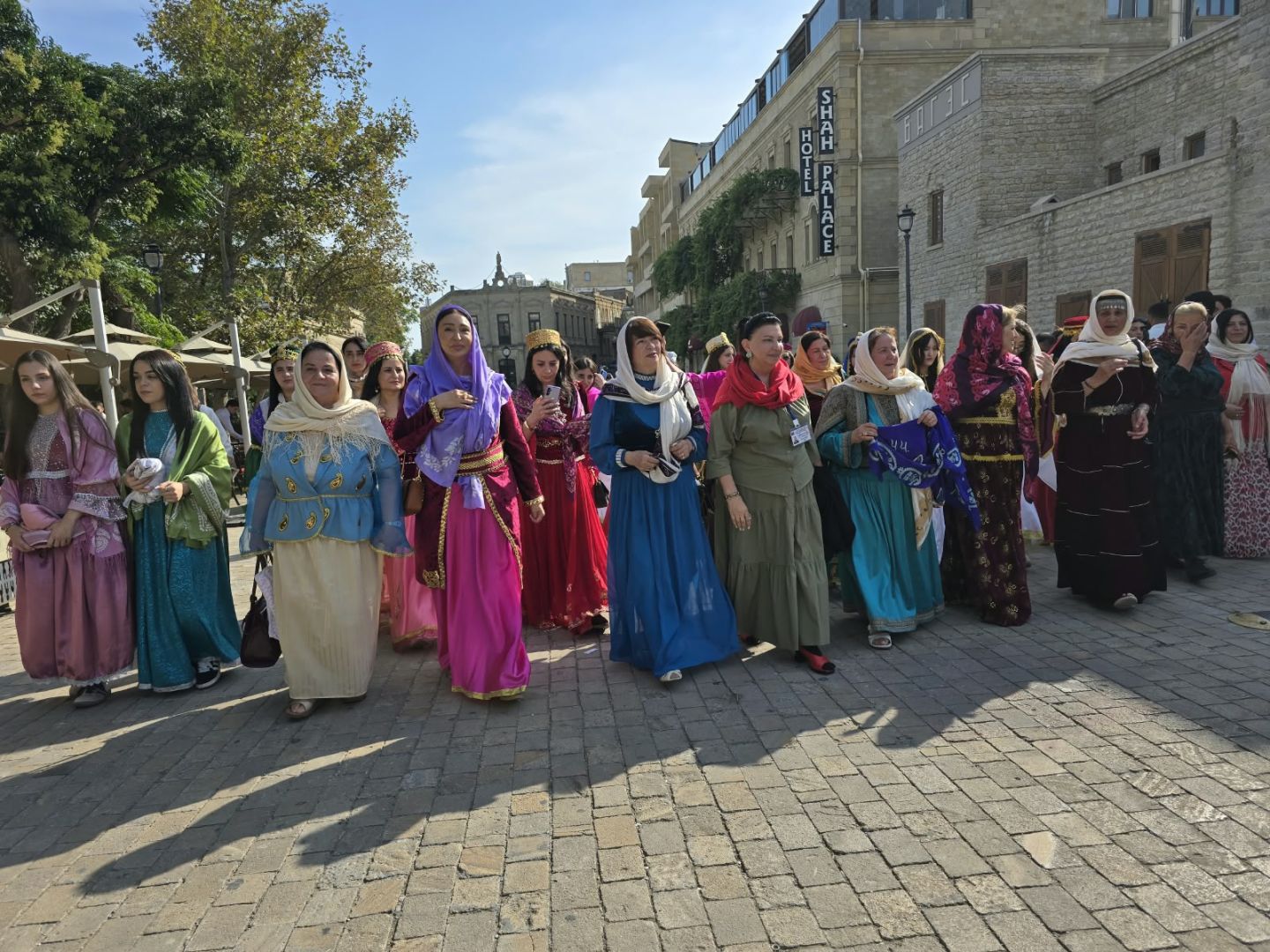
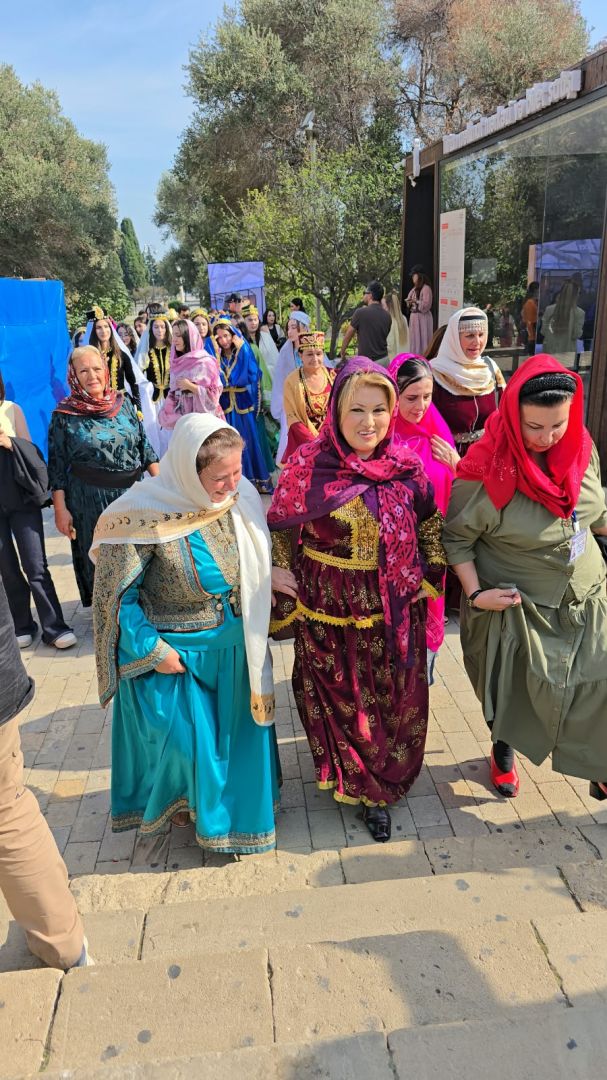
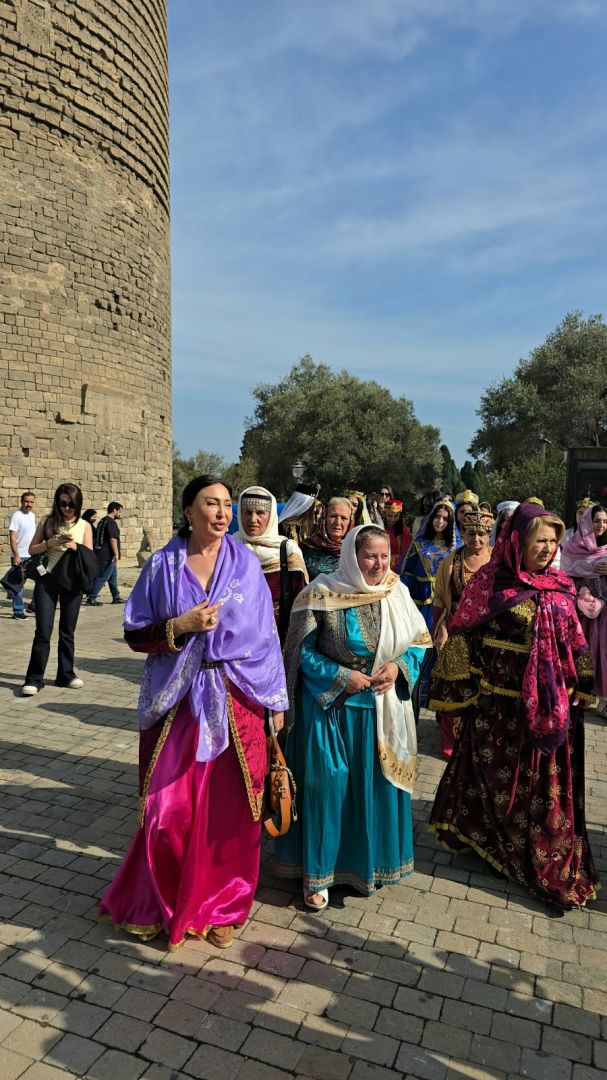
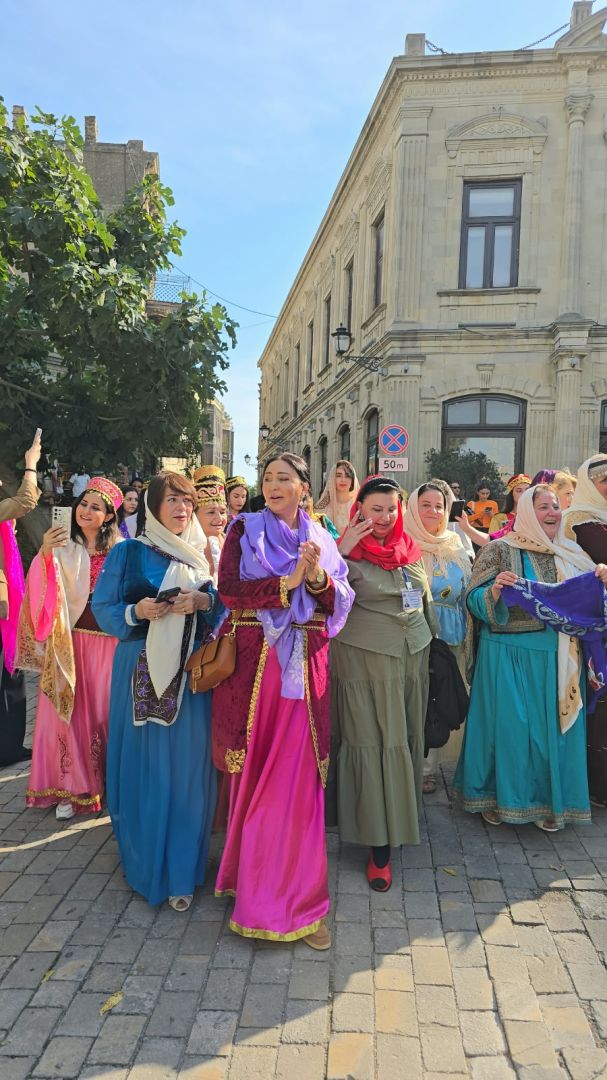
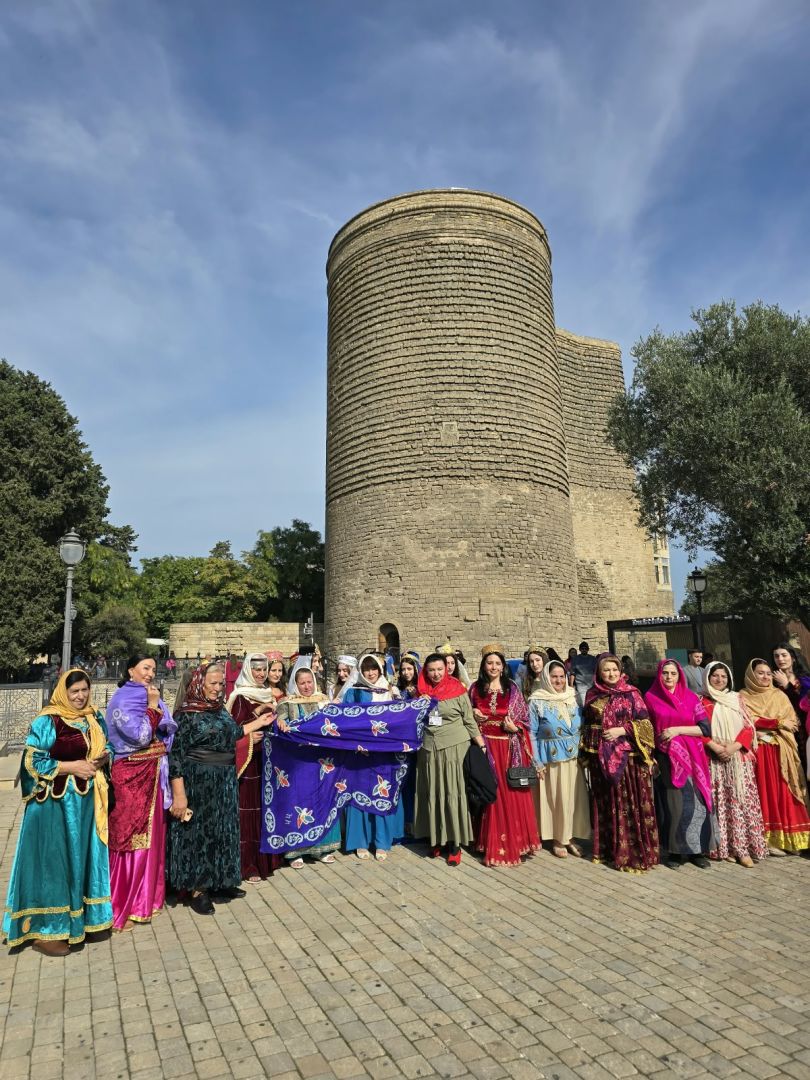
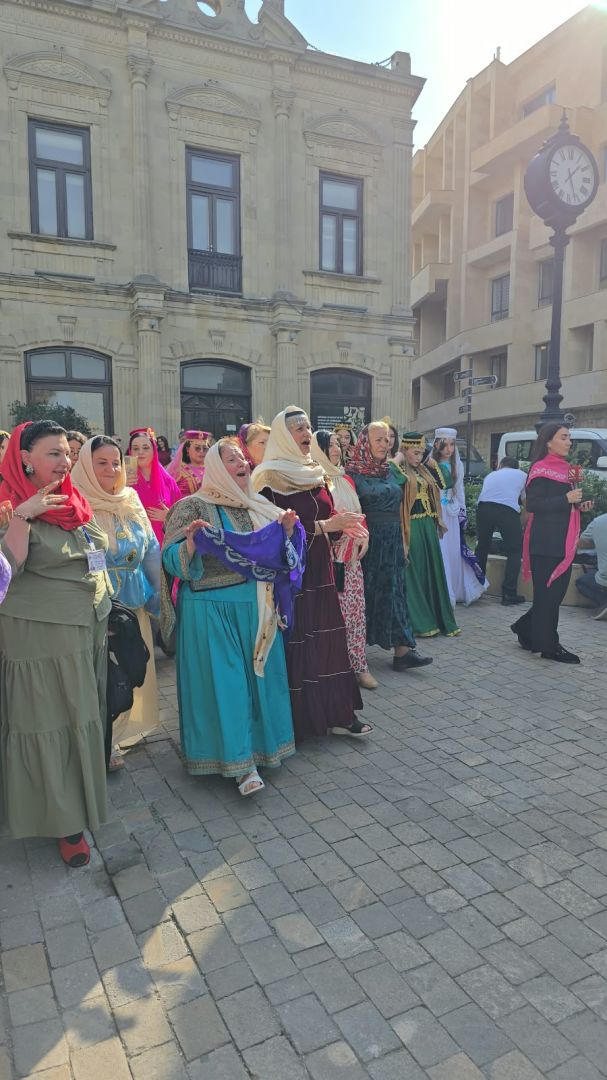
When the streets are filled with the colours of dress, Baku assumes a different appearance. The procession celebrating the kelaghayi passes by the Maiden Tower through Icherisheher and Fountain Square and on towards Baku Boulevard.
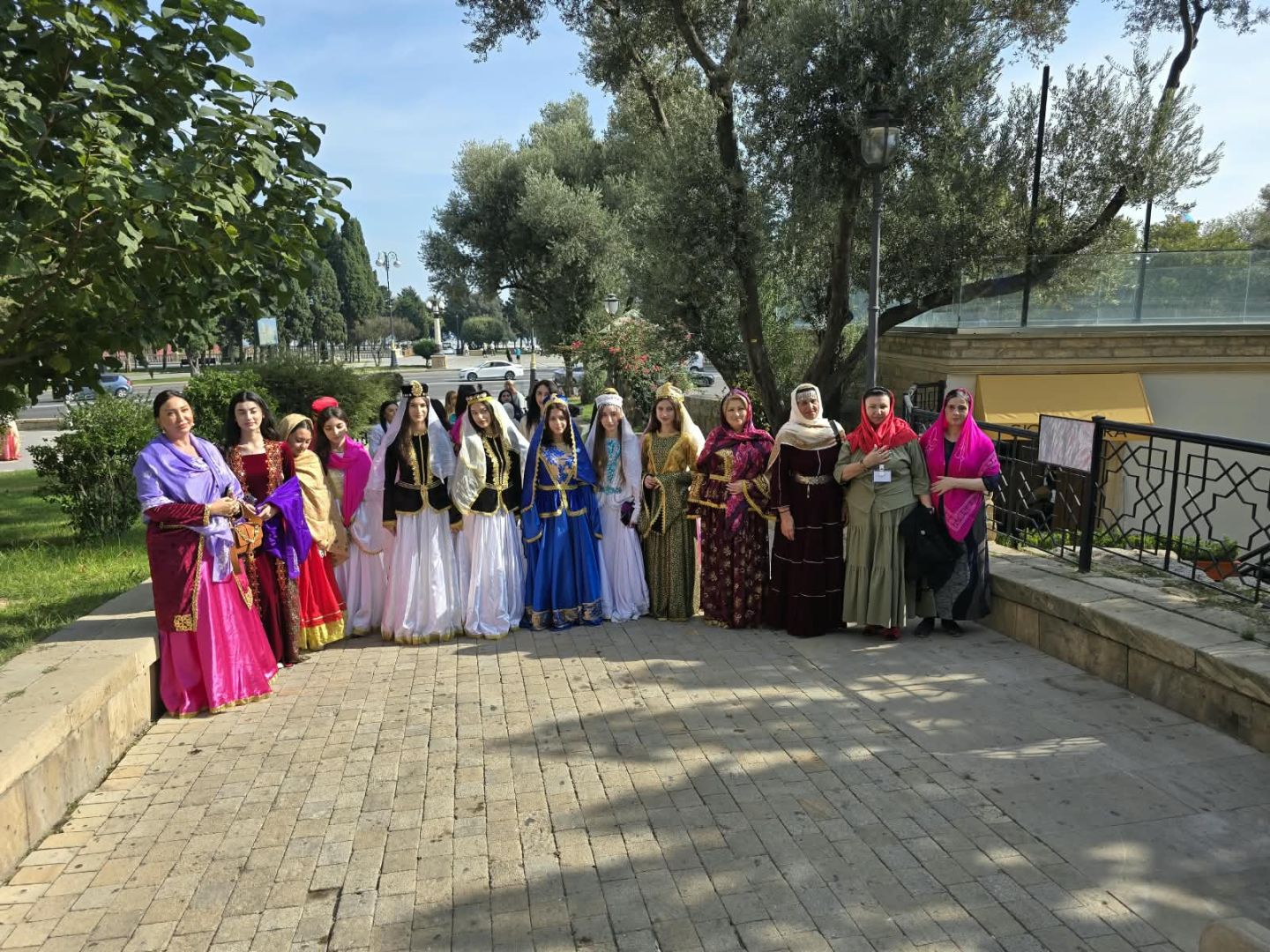
Women and men who are wearing clothes walk alongside representatives of organisations and admirers of Azerbaijani culture. They take photographs, smile at strangers and turn what would otherwise be a walk through the city into a celebration of the nation's heritage.
In the middle of the procession is a piece of silk which has been used by Azerbaijani women for centuries. So light that it can be folded into a square and so delicate that it catches the slightest movement of the air, the kelaghayi has a significance much greater than its size indicates.
The colours, designs and way in which it is produced reveal something about the people who made it, the hands that shaped it and the communities which have kept its traditions alive. In Azerbaijan, a country in which cultural identity has always been shown through clothing, craftsmanship, music and oral tradition, the kelaghayi has a position. It is, at the time, an item and a cultural symbol linking everyday life with a much older artistic heritage.
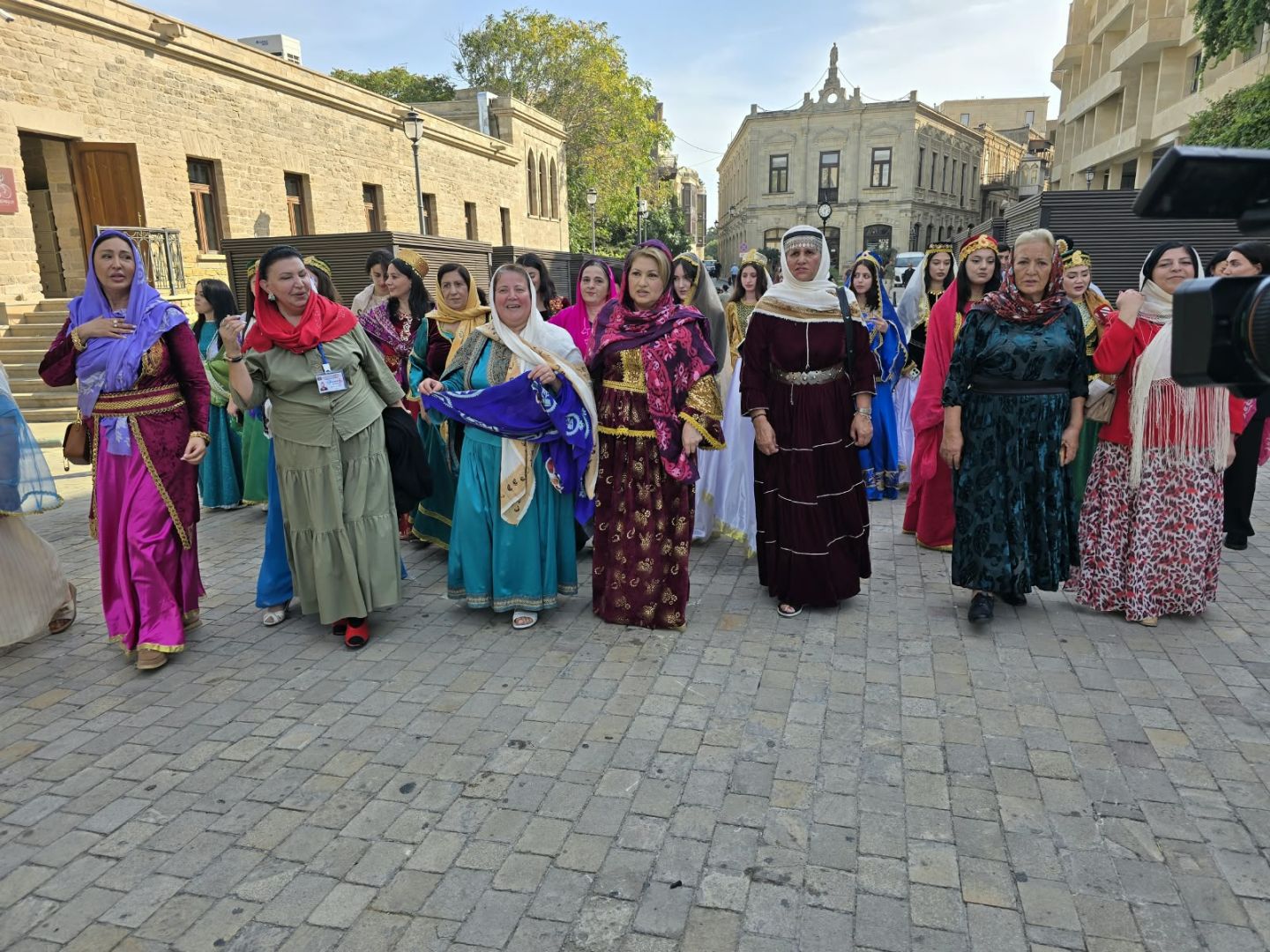
Kelaghayi: Scarf Rooted in Azerbaijan's National Heritage
Traditional clothing usually shows what a society considers to be beautiful, what it means to have status and the idea of belonging; the kelaghayi is just as true in this regard. For generations it has been part of the clothing worn by Azerbaijani women, worn in ways depending on age, occasion, region and personal preference.
The kelaghayi has been with women through the cycles of life as well as during important family and social events. The role it played in customs conferred upon it meanings which went beyond fashion and associated it with femininity, dignity, family values and the continuity of generations.
Because of the region's standing connection with sericulture and the textile trade, Shaki gained a reputation as a centre for silk production and in the Ismayilli district, Basqal became particularly well known for making kelaghayi. Its workshops maintained techniques which demanded patience, precision and a thorough knowledge of the material.
While the importance of the kelaghayi goes beyond the history of silk production, it has now become a part of Azerbaijan's identity, showing a heritage developed through local craftsmanship, social customs and knowledge passed on from one generation to the next.
Cultural heritage is one of the means by which a country shows itself to the rest of the world, conveying its history through its accomplishments and historical experience.
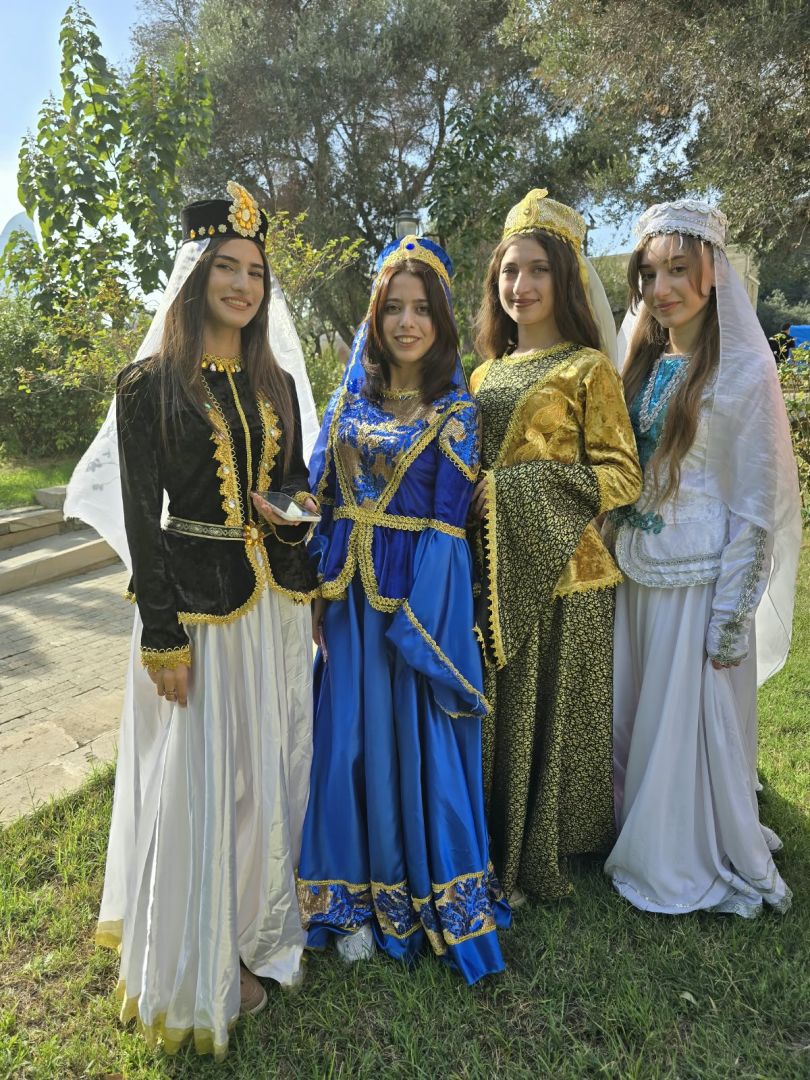
You can tell what a kelaghayi is from afar on the basis of its colour. A careful examination reveals its finer details. Traditional patterns have included reds, rich blues, greens, golds and other colours. The colour chosen may be a matter of preference, local custom and the purpose for which the scarf is being worn. Patterns are just as important; floral shapes, stylised leaves and geometric designs show the influence of the arts of Azerbaijan, where ornamentation is found on carpets, architectural details, ceramics and other hand-made items. The borders are worth looking at since they are often more intricately designed than the central part and serve to frame the scarf while giving the pattern a sense of rhythm.
In 2014, the traditional art and symbolism of the kelaghayi were included on UNESCO's Representative List of the Intangible Cultural Heritage of Humanity, which drew attention to a tradition that had for a time been part of Azerbaijan's cultural life. The inscription recognised both the knowledge and skills needed in making the silk scarves and the social customs and meanings connected with their use. It also pointed out the importance of passing on the tradition from one generation to another in order to keep it alive.
The kelaghayi remains a part of Azerbaijan's identity, carrying the history, skill and traditions of the people who made it. Preserving it means keeping these traditions alive, supporting the artisans who continue the craft and making sure younger generations know the story behind the silk they wear.
Here we are to serve you with news right now. It does not cost much, but worth your attention.
Choose to support open, independent, quality journalism and subscribe on a monthly basis.
By subscribing to our online newspaper, you can have full digital access to all news, analysis, and much more.
You can also follow AzerNEWS on Twitter @AzerNewsAz or Facebook @AzerNewsNewspaper
Thank you!