
Seaside Boulevard welcomes visitors with delicious tea and traditional sweets [PHOTOS]
![Seaside Boulevard welcomes visitors with delicious tea and traditional sweets [PHOTOS]](https://www.azernews.az/media/2026/10/13/rfrefref4.jpg)

Laman Ismayilova
Read moreIn Azerbaijan, tea is a welcome part of almost every gathering. It is served to guests at home, shared with friends over long conversations and enjoyed with jam, lemon or traditional sweets. A glass of freshly brewed tea is a simple gesture of hospitality, but one that carries a great deal of meaning.
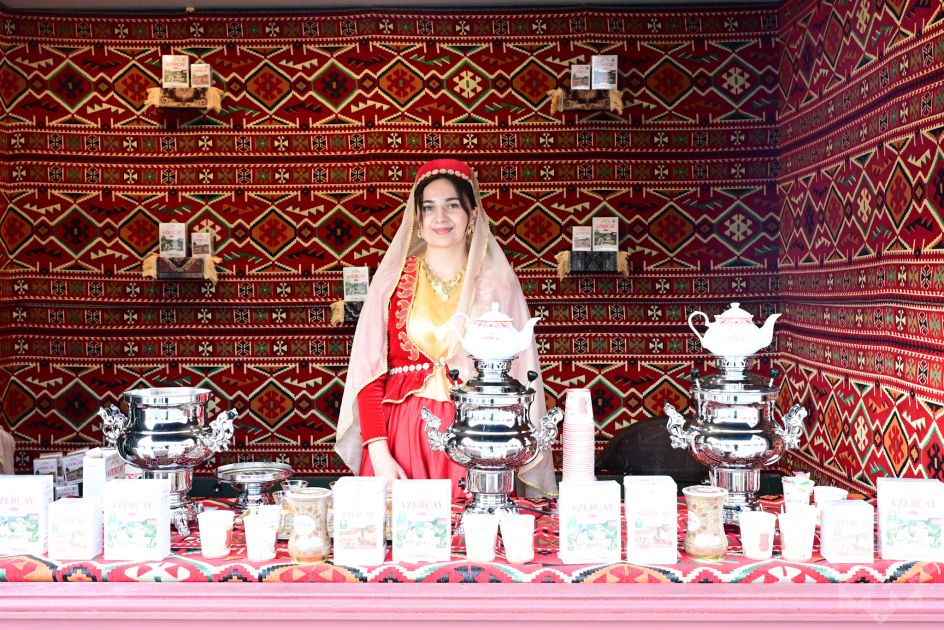
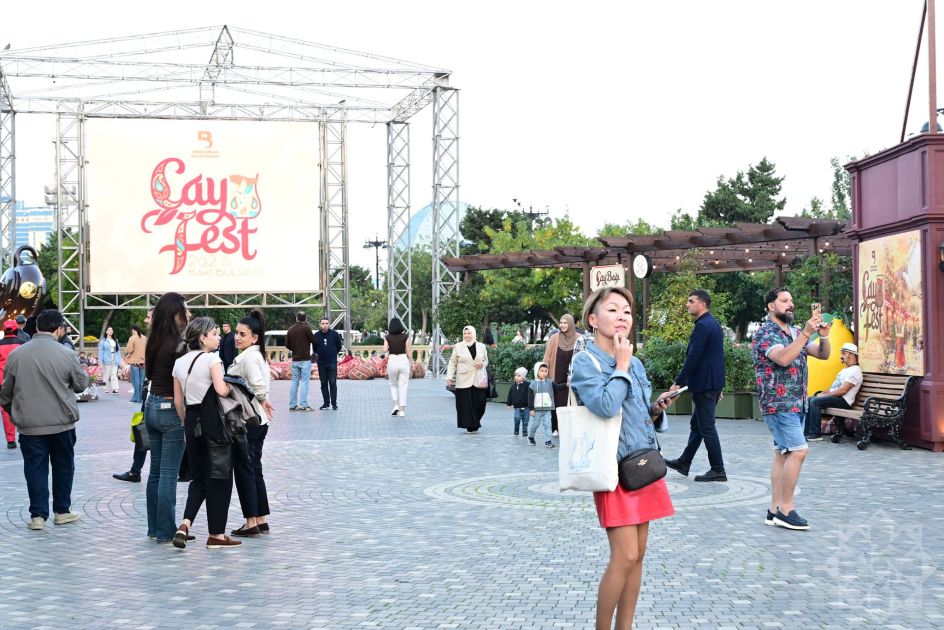
This tradition takes centre stage at the Tea Festival on Baku Boulevard, running from October 12 to 18. Held in Seaside National Park near the Azerbaijan State Puppet Theatre, the festival brings together local tea producers, regional sweets and tea traditions from Azerbaijan and other countries. Admission is free.
The festival celebrates Azerbaijan's tea culture and gives local producers a chance to introduce their products to visitors. Tea's place in Azerbaijani hospitality is also recognised internationally. In 2022, the tea culture shared by Azerbaijan and Turkiye was added to UNESCO's Representative List of the Intangible Cultural Heritage of Humanity.
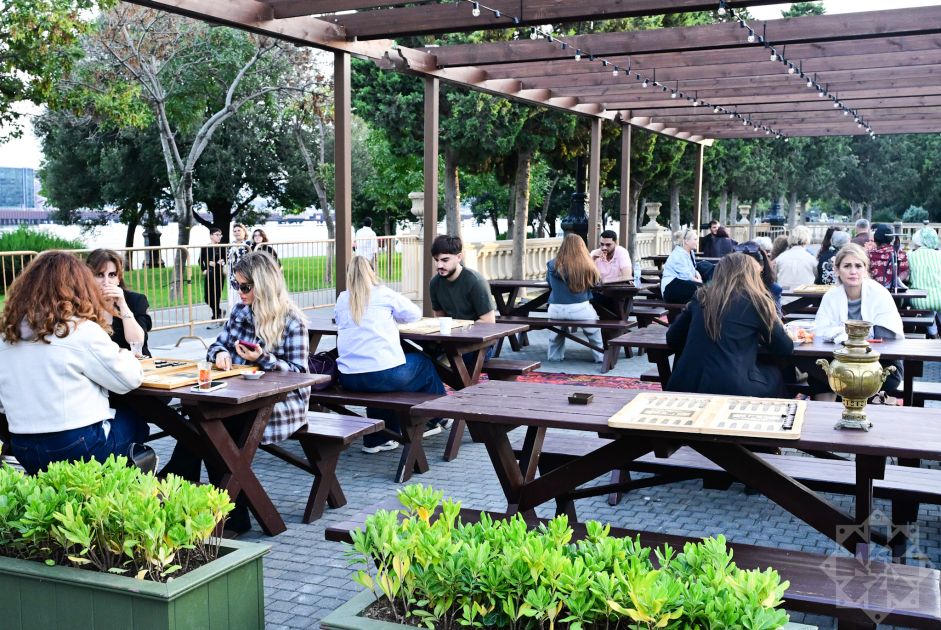
The festival grounds feature a tea garden and cosy seating areas surrounded by greenery, where visitors can sit down for a cup and enjoy the seaside atmosphere. The setting reflects the familiar warmth of an Azerbaijani tea table, where guests are encouraged to take their time.
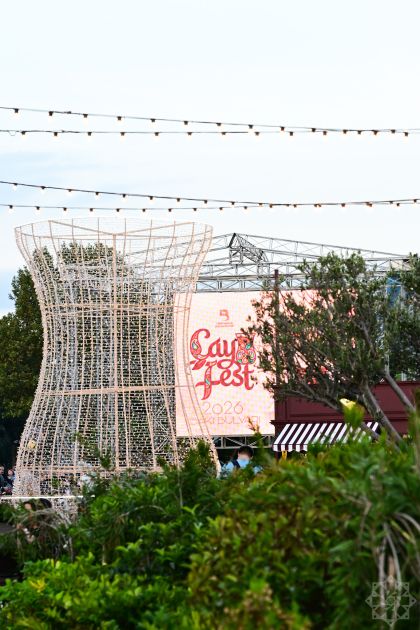
One of the festival's main attractions is a six-metre-tall model of the armudu glass, the pear-shaped glass traditionally used to serve Azerbaijani tea. Created by employees of the Seaside Boulevard Administration, the installation stands out among the festival displays. Its evening illumination makes it particularly eye-catching after sunset.
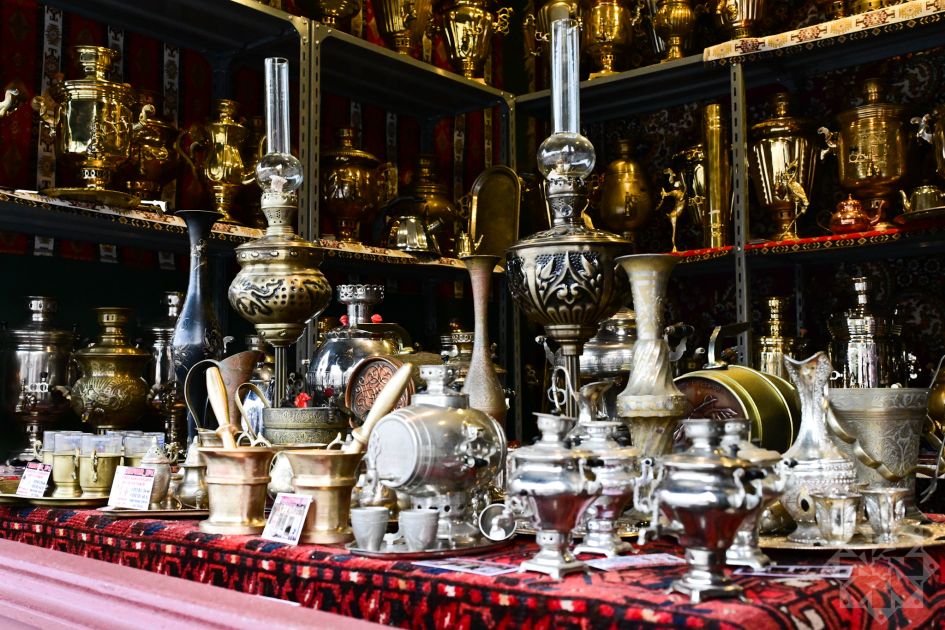
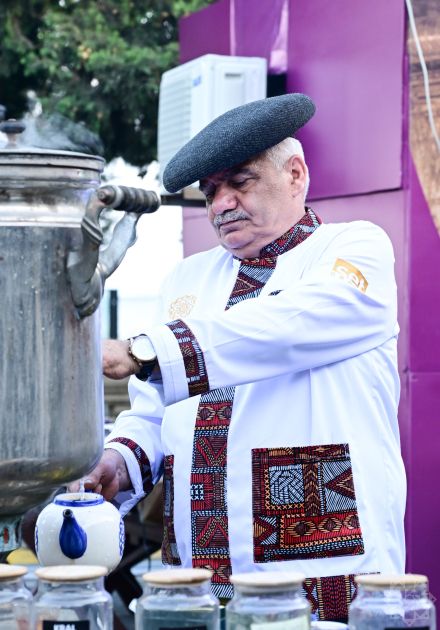
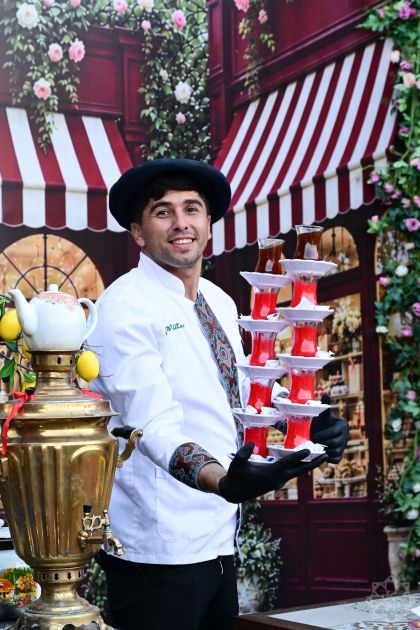
Visitors can sample teas from Azerbaijan's leading producers and browse a selection of traditional tea accessories, samovars and decorative items. Herbal teas from Karabakh and Eastern Zangazur bring regional flavours to the event, while displays devoted to Uzbekistan and China introduce visitors to tea customs from abroad.
Sweet treats are an essential part of the experience. A glass of strong black tea goes well with syrupy baklava, delicate pastries and fruit jam. The tempting spread recalls the generous tables found in Azerbaijani homes, where tea is rarely served without something to accompany it.
The festival offers an opportunity to try different teas, discover local products and enjoy a much-loved tradition in the open air. For those who grew up with tea at the family table, it is a familiar pleasure. For visitors discovering Azerbaijani customs for the first time, it offers a taste of the country's hospitality.
Although tea is enjoyed throughout Azerbaijan, its cultivation is particularly associated with the country's humid, subtropical south. Lankaran, Astara and Masalli are among the main growing areas, with smaller production in the Shaki-Zagatala region. The warm, moist climate of the southern districts has helped sustain a local tea-growing tradition, and the region remains central to Azerbaijan's efforts to develop its own tea industry.
Tea Rituals: Hospitality in Every Sip
In an Azerbaijani home, offering tea is often among the first gestures made to a guest. Before a meal is served or a conversation gets going, a host may bring out a tray with freshly brewed tea, sweets, lemon and preserves. It is a simple but meaningful way to show respect and make someone feel at home. Tea is not reserved for formal occasions, either. It is shared by relatives, neighbours and friends during ordinary visits, turning a brief stop into a longer catch-up. UNESCO describes tea culture in Azerbaijan and Türkiye as a social practice that expresses hospitality, maintains relationships and marks important moments in community life.
The traditional armudu glass is one of the most recognisable features of an Azerbaijani tea table. Its name refers to its pear-like shape, narrower in the middle and broader towards the top and base. The glass is more than a decorative detail: it is closely associated with the way tea is served and enjoyed in the country. Tea is usually brought to the table freshly brewed and hot, allowing its colour and aroma to be appreciated as well as its flavour. Glass, porcelain and other materials may be used, but the armudu remains a familiar symbol of the ritual. At the Baku festival, the giant illuminated version turns this everyday object into a celebration of a national custom.
Tea rarely arrives alone. A traditional spread may include fruit jam, sugar, lemon slices, dried fruit, nuts and pastries, with the selection varying from household to household and region to region. Shekerbura and baklava are among the sweets associated with Azerbaijani celebrations, while homemade preserves bring the flavours of summer fruit to the table throughout the year. Some people add sugar directly to their tea; others prefer to take a small bite of sugar between sips. There is no single rule for every family, but the generous selection of accompaniments reflects the pleasure of sharing. A glass of tea invites people to slow down, sample something sweet and let the conversation wander.
Black tea is the most common choice in Azerbaijan, but its character can vary with the leaves, the brewing method and the ingredients added. In some areas, people flavour their tea with herbs and spices such as thyme, mint, cinnamon or ginger. These aromatic additions offer a different experience from a straightforward black brew, especially when served alongside regional sweets. Tea also plays a role in important family occasions, including engagement customs, when offering tea to guests can form part of the gathering. Across these settings, the drink provides a familiar point of connection: a way to welcome people, share news and mark a moment together.
That sense of connection is what the Baku Tea Festival seeks to bring into focus. The event combines local products, regional flavours and international traditions in a setting made for strolling, tasting and meeting friends.
For some, the festival is a chance to try new teas and tempting sweets, while for others, it brings back memories of tea shared around the family table.
Photos: Khanlar Alizade, Azertag
Here we are to serve you with news right now. It does not cost much, but worth your attention.
Choose to support open, independent, quality journalism and subscribe on a monthly basis.
By subscribing to our online newspaper, you can have full digital access to all news, analysis, and much more.
You can also follow AzerNEWS on Twitter @AzerNewsAz or Facebook @AzerNewsNewspaper
Thank you!