
Could science reduce demand for rare perfume ingredients

Laman Ismayilova
Read moreSome of the world's most prized perfumes rely on ingredients that are becoming harder to find in the wild. Now, scientists are looking for ways to recreate these scents in laboratories, potentially reducing the need to harvest rare plants.
Oud, also known as agarwood, is a good example. Certain Aquilaria trees produce a fragrant resin when they are injured or infected. The resin is highly valued in perfumery, but demand has contributed to the illegal logging of wild trees and put pressure on their populations.
As The Guardian reported, scientists are exploring whether artificial intelligence can help recreate such fragrances. Osmo, a company spun off from Google Brain, has developed technology that predicts how different molecules smell. The company has reportedly recreated the scent of a rare tree using a small piece of its bark.
Another approach comes from biotechnology. BioHarvest Sciences says it has developed a way to grow cells from an endangered Southeast Asian plant used in fragrance production. The method could provide a source of valuable scent compounds without repeatedly collecting the plant from the wild.
But making a fragrance in a laboratory does not necessarily protect the plant it comes from. Some people value natural ingredients precisely because of their origins and rarity. If demand for wild-harvested oud remains high, laboratory-made versions may not be enough to ease the pressure on wild trees.
There is also the challenge of reproducing a scent accurately. A plant's aroma can come from hundreds of different compounds, and even small changes in growing conditions can affect its smell. A laboratory version may capture the main notes without matching the original in every detail.
These methods offer a possible alternative for an industry built around rare and valuable natural ingredients. Whether they will make a real difference to endangered plants depends on how widely they are used and whether they reduce demand for materials collected in the wild.
Protecting the plants themselves will still require efforts to tackle illegal harvesting and preserve their natural habitats.
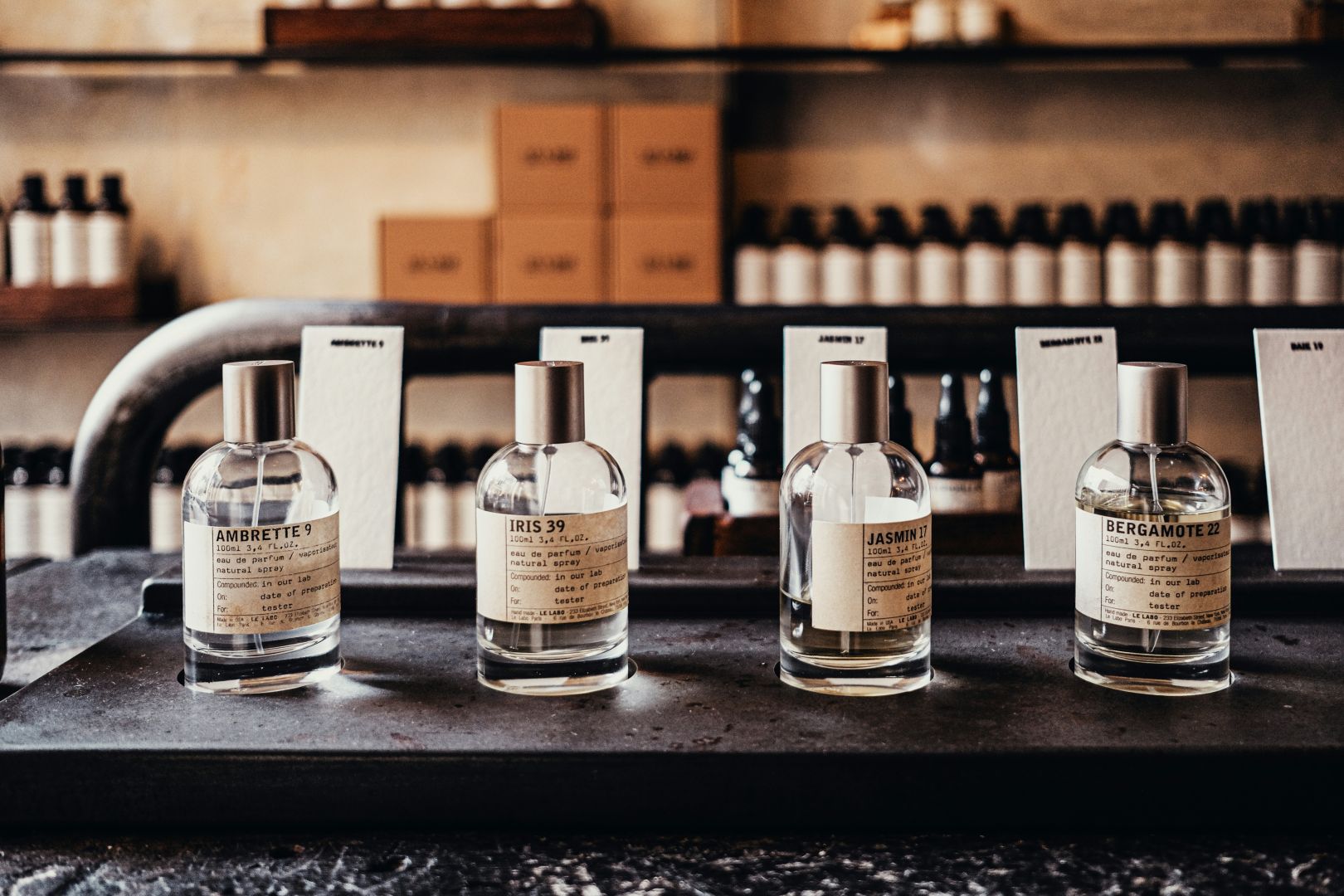
Photo by Samuel Regan-Asante on Unsplash
Here we are to serve you with news right now. It does not cost much, but worth your attention.
Choose to support open, independent, quality journalism and subscribe on a monthly basis.
By subscribing to our online newspaper, you can have full digital access to all news, analysis, and much more.
You can also follow AzerNEWS on Twitter @AzerNewsAz or Facebook @AzerNewsNewspaper
Thank you!