
Iran–US diplomacy in Islamabad steps Pakistan into global negotiation arena
By Athar Mahmood
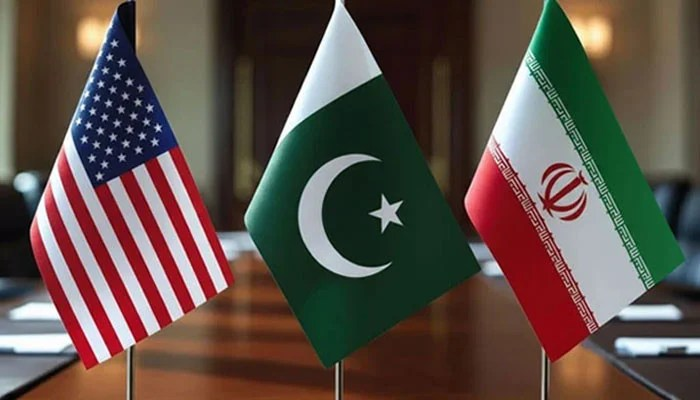
In the spring of 2026, global political attention has once again shifted to South Asia. The U.S.–Iran talks held in Islamabad are not merely an attempt to reduce tensions between two countries, but also a sign of an emerging new geopolitical balance. In this process, Pakistan has unexpectedly come to the forefront as one of the key players.
According to recent reports, Pakistan has taken on the role of mediator between Iran and the United States, successfully bringing high-level delegations from both sides to the same table. This initiative is seen as part of broader efforts toward a ceasefire and a more comprehensive peace agreement.
Pakistan’s Tradition of Mediation and Geopolitical Weight
Pakistan’s role is not accidental. Historically, the country has demonstrated an ability to open diplomatic channels behind the scenes in various regional crises. From conflicts in Afghanistan to relations among Gulf states, Pakistan has often acted as a “silent mediator.”
Today, however, the situation is different. Pakistan is no longer just a mediator but an active initiator. Analysts note that the country is attempting to evolve from a “diplomatic observer” into an actor that actively shapes negotiations.
Key Figure: Asim Munir
At the center of this diplomatic activity stands Pakistan’s Army Chief, Field Marshal Asim Munir. He has established direct channels with both Washington and Tehran and is regarded as one of the principal architects of the talks.
Munir’s profile goes beyond that of a conventional military leader:
- Strong security background
- Established communication channels with the U.S. and regional
actors
- Parallel use of political and military diplomacy
Under his leadership, Pakistan is expanding its influence by combining political and military diplomacy in a coordinated manner.
Türkiye’s Role and Emerging Regional Synergy
Within the context of the Islamabad talks, Türkiye’s role deserves particular emphasis. For years, Ankara has developed a model of “bridge diplomacy,” maintaining balanced relations with both Western and Middle Eastern actors. In this regard, Türkiye’s political support and informal diplomatic channels are considered key factors strengthening Pakistan’s initiative.
In this context, Azerbaijan also becomes an indirect beneficiary of the process. Its strategic alliance with Türkiye creates conditions for Azerbaijan to emerge as a more visible and influential actor in regional affairs.
New Opportunities for Azerbaijan and a Rising International Profile
Stabilization in the region would further enhance Azerbaijan’s role. Several key directions stand out:
1. Energy and Transit Hub Position
A stable Middle East and South Caucasus would increase the
importance of Azerbaijan’s energy exports and logistics
projects.
2. Diplomatic Mediation Potential
Azerbaijan has already gained experience in international mediation
platforms. If the region stabilizes, Baku could play a significant
role in future normalization processes between Türkiye and
Israel.
3. Elevated International Profile
Strengthened coordination within the Türkiye–Pakistan–Azerbaijan
triangle increases Azerbaijan’s diplomatic weight not only
regionally but across a broader geography.
The Islamabad talks are seen as a high-risk diplomatic experiment. While Pakistan has managed to bring the parties to the table, its ability to influence the implementation of agreements remains limited.
Key challenges include:
- Iran’s cautious approach to terms
- Political volatility within the United States
- The influence of other regional actors
Nevertheless, the very occurrence of these talks is already considered a significant achievement.
The Islamabad talks are not just an attempt at peace between two countries—they signal the emergence of new actors in global diplomacy. Pakistan’s role reflects its ambition to occupy a more assertive position in the international system.
Türkiye’s strategic backing and Azerbaijan’s growing diplomatic potential are becoming key elements in shaping this new geopolitical order. If regional stability is achieved, Azerbaijan may emerge not only as a beneficiary but also as a leading mediator in future peace processes.
One reality, however, remains unchanged: global politics is no longer shaped solely by major powers—middle powers are increasingly rewriting the rules of the game.
---------
The views and opinions expressed by guest columnists in their articles may differ from those of the editorial board and do not necessarily reflect its views.
Here we are to serve you with news right now. It does not cost much, but worth your attention.
Choose to support open, independent, quality journalism and subscribe on a monthly basis.
By subscribing to our online newspaper, you can have full digital access to all news, analysis, and much more.
You can also follow AzerNEWS on Twitter @AzerNewsAz or Facebook @AzerNewsNewspaper
Thank you!