
Armenian newspaper claims PACE report signals growing European distrust of government
Akbar Novruz
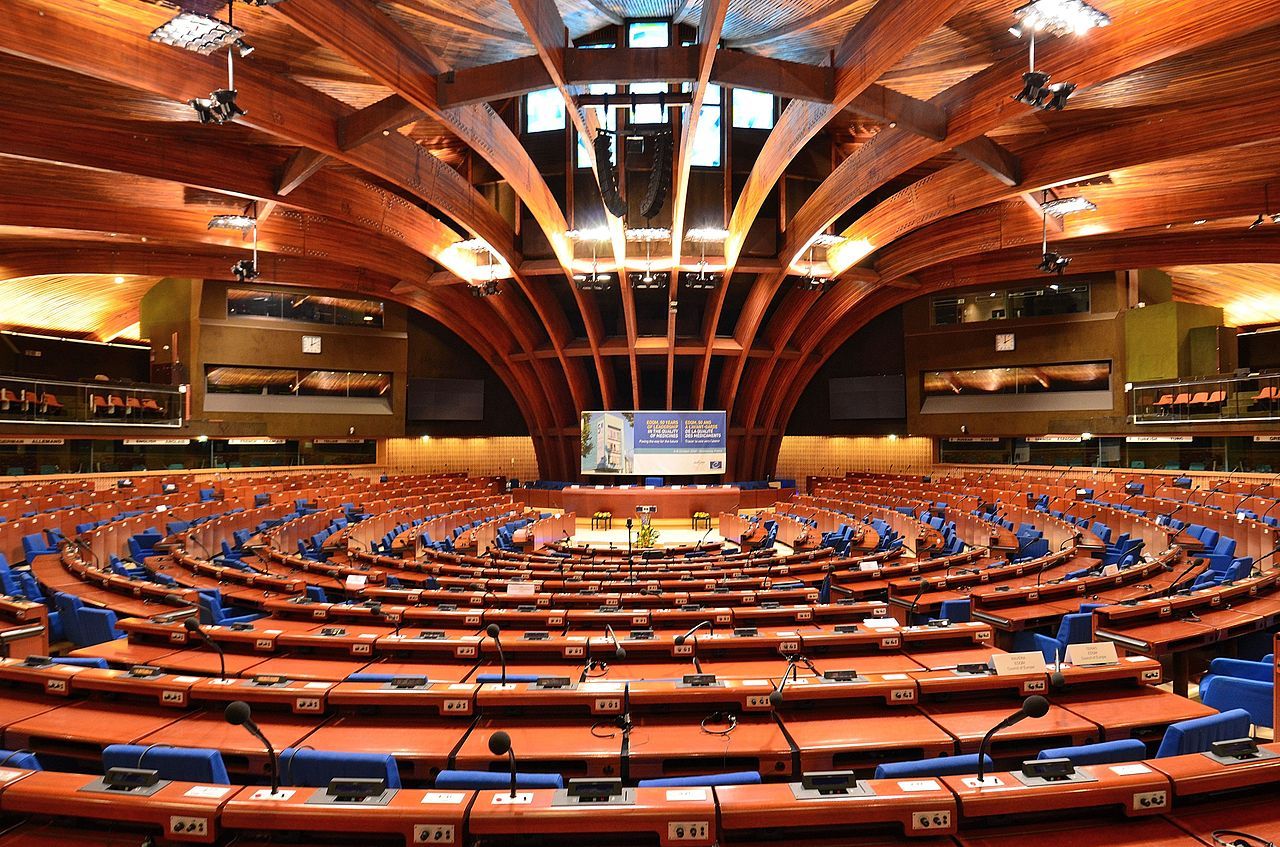
Read moreArmenian newspaper Past has argued that a recent report by the Parliamentary Assembly of the Council of Europe (PACE) on Armenia's parliamentary elections exposes serious shortcomings in the electoral process and signals growing European distrust toward Prime Minister Nikol Pashinyan's government.
The newspaper focused on the election observation report presented by Swiss parliamentarian Damien Cottier following Armenia's June 7 parliamentary elections.
According to Past, despite what it described as the report's “soft and diplomatic wording,” its findings documented a series of problems surrounding the electoral process that contrasted with PACE's broadly positive overall assessment.
“In summary, there is an obvious dissonance between the facts set out in the PACE report and the ‘generally positive’ conclusion given at the end,” the newspaper wrote.
The official PACE report concluded that Armenia's parliamentary elections offered voters “a genuine choice among political alternatives in a well-run process.” Cottier subsequently told the Assembly that voting had been technically sound, peaceful and inclusive.
At the same time, however, PACE documented a number of shortcomings.
The delegation raised concerns over inadequate supervision of campaign financing, biased media coverage, continued vote-buying, misuse of administrative resources, weaknesses in effective judicial remedies for electoral violations and the disenfranchisement of the electorate of an opposition party. It called for “urgent institutional and legal reforms” to address the identified problems.
International observers also reported pressure on public-sector employees to attend ruling-party events and said criminal proceedings against opposition candidates and activists had contributed to some opposition supporters refraining from active participation in the campaign.
Past interpreted those findings as evidence that the circumstances surrounding the election were considerably more problematic than PACE's overall conclusion suggested.
The newspaper also highlighted the governing Civil Contract party's final result. According to the official results cited in the PACE report, Civil Contract received 49.75% of the vote, while the Strong Armenia Alliance secured 23.27% and the Armenia Alliance 9.92%. Despite falling just below 50% of the popular vote, Civil Contract retained the governing parliamentary majority.
Past argued that the result demonstrated that the opposition had prevented the government from securing an outright majority of votes despite what the newspaper characterized as the extensive use of state resources and pressure.
The publication then placed the election controversy within Armenia's wider foreign and domestic political environment, arguing that Pashinyan's government was facing increasingly difficult relations with Russia alongside what it claimed was growing distrust in Europe.
“Pashinyan and his team are increasingly sinking into a geopolitical and domestic political impasse: on the one hand, relations deteriorating with Russia day by day, on the other hand, gradually growing distrust of them in Europe, and most importantly, a complete lack of internal legitimacy due to reproduction by way of state levers and violence,” Past wrote.
The claim of growing European distrust goes beyond PACE's own conclusions. In its September assessment, the Assembly said Armenian society had demonstrated “democratic resilience” and described the election as providing genuine political choice, while simultaneously pressing Yerevan to address the shortcomings identified by observers.
Past, however, argued that the combination of domestic political tensions and Armenia's changing geopolitical relationships had weakened the government's position.
“The current regime has actually lost all sources of legitimacy of power, both internal (popular support) and external (main geopolitical centers),” the newspaper claimed, adding that it believed future political developments could create opportunities for other political forces to challenge the government.
PACE's findings themselves stop well short of such a conclusion. Rather, they present a mixed assessment: a competitive election that broadly met democratic standards while containing shortcomings serious enough for the Assembly to demand institutional and legal reforms.
Here we are to serve you with news right now. It does not cost much, but worth your attention.
Choose to support open, independent, quality journalism and subscribe on a monthly basis.
By subscribing to our online newspaper, you can have full digital access to all news, analysis, and much more.
You can also follow AzerNEWS on Twitter @AzerNewsAz or Facebook @AzerNewsNewspaper
Thank you!