
Has Hungary lost its appetite for Turkic diplomacy?

Akbar Novruz
Read moreAs the Organization of Turkic States (OTS) convenes its 13th Summit in Ankara on October 30, attention is turning not only to the organisation's growing ambitions in trade, energy and regional connectivity, but also to the future role of one of its most distinctive European partners: Hungary.
The summit, hosted by Turkish President Recep Tayyip Erdoğan under the theme "Turkic Century: Unity in Language, Thought and Deed," brings together leaders and representatives of member and observer states to discuss political cooperation, investment, transport connectivity, energy security and regional developments. The gathering also marks the transfer of the OTS chairmanship from Azerbaijan to Türkiye.
For Hungary, an observer state of the organisation, the meeting comes at a politically significant moment. The country underwent a major leadership change following its April 2026 parliamentary elections, which ended Viktor Orbán's 16-year premiership and brought Péter Magyar and his Tisza party to power.
Under Orbán, Budapest cultivated particularly close political relations with the Turkic world, positioning itself as a European partner for Türkiye, Azerbaijan and Central Asian countries. Hungary's engagement with the OTS became a visible element of its foreign policy, reflecting a broader interest in diversifying diplomatic partnerships and strengthening economic connections beyond the European Union.
The transition to Magyar's government has consequently raised questions about whether Budapest intends to maintain the same level of engagement. Hungary retains its observer status, but the new leadership's longer-term approach to the organisation has yet to become fully clear.
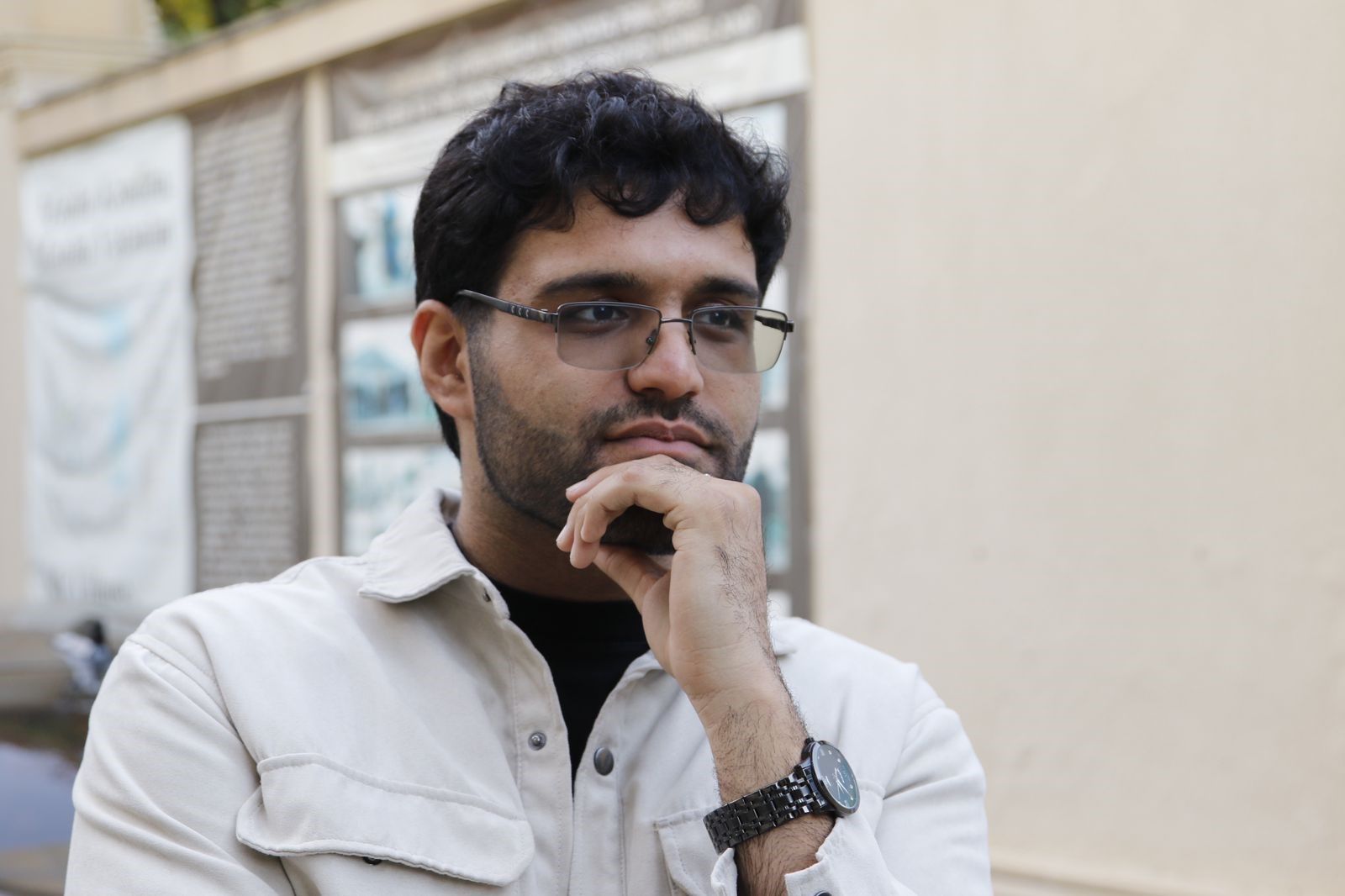
Speaking to AzerNEWS, Professor Laszlo Vasa of Széchenyi István University argued that Hungary's relations with the Turkic world should be regarded as a long-term strategic interest rather than a foreign policy initiative associated exclusively with the previous government.
"Hungary’s relations with the Turkic world have a strategic value which goes beyond any single government. Under Viktor Orbán, Hungary became a particularly active observer in the Organization of Turkic States. This brought political visibility, but also helped to develop trust and create opportunities for economic cooperation. In my view, these achievements deserve to be continued, even if the new government chooses a different political language."
Addressing the uncertainty surrounding Budapest's future participation, Vasa cautioned against interpreting a less visible diplomatic presence as evidence of a definitive withdrawal from cooperation with the organisation.
"The approach of the new Hungarian leadership towards the OTS is still an open question. Less visible participation creates uncertainty, and our Turkic partners understandably would like to see clearer signals from Budapest. However, I would be careful about interpreting this as a final decision to step back. My hope is that, as the government defines its foreign policy priorities, it will recognise the long-term importance of these relations."
The question of Hungary's strategic positioning is particularly relevant as the European Union seeks to strengthen its economic connections with Central Asia and the South Caucasus. Transport diversification, energy partnerships and the development of the Middle Corridor have increased the importance of cooperation between European and Turkic countries.
In this context, Vasa suggested that Hungary's European commitments and its relationships with the Turkic world need not be treated as competing foreign policy objectives.
"From a Hungarian perspective, closer cooperation with the Turkic world and a strong commitment to the European Union can support each other. The growing importance of Central Asia and the South Caucasus in energy, transport and trade makes this connection increasingly useful for Europe as well. Hungary has an opportunity to contribute through its knowledge of the region, established contacts and economic partnerships."
However, the professor stressed that preserving Hungary's position as a bridge between the European Union and the Turkic world would require continued diplomatic engagement and practical cooperation.
"At the same time, being a bridge requires active work. Geography alone is not enough. Hungary needs regular political dialogue, business cooperation, university partnerships and a visible presence in the institutions where regional priorities are discussed. If we reduce our engagement for a longer period, other countries will naturally take up these opportunities. The Turkic world is developing quickly, and it will continue to move forward."
Turning to the potential consequences of Hungary's change of government for existing energy and trade partnerships, Vasa distinguished between the continuity of established commercial commitments and the political support necessary to pursue new projects.
According to the professor, a shift in domestic political leadership does not necessarily undermine agreements already concluded between governments, businesses and investors.
"Regarding energy and trade, a change of government does not automatically interrupt existing cooperation. Commercial agreements, investments and infrastructure projects usually have a much longer horizon than an electoral cycle. Their continuation depends on legal commitments, economic interests and the decisions of the companies involved. Also, many partnerships are organised bilaterally, while the OTS provides a supportive political framework."
Nevertheless, he warned that prolonged uncertainty over government priorities could affect the development of future partnerships, even where existing projects remain unaffected.
"Nevertheless, political attention matters. Existing projects may continue, but new investments and agreements can lose momentum when government priorities become unclear. This is where uncertainty can have a real cost, even without any formal withdrawal or cancellation."
Vasa also highlighted the practical opportunities that cooperation with Azerbaijan, Türkiye and Central Asian countries continues to offer Hungary, particularly in energy security and transport connectivity.
"I remain cautiously optimistic. Cooperation with Türkiye, Azerbaijan and the Central Asian states offers Hungary practical opportunities in energy security, access to markets and transport connectivity, including the Middle Corridor. These are national interests which should be recognised across party lines."
Looking ahead, the professor expressed hope that Budapest would develop its own approach to cooperation with the OTS while preserving the diplomatic relationships established under the previous administration.
"My expectation is that the new government will eventually develop its own approach to the OTS while preserving the trust already built. The Ankara Summit is an opportunity to underline that the Turkic world remains an important partner for Hungary and that there is still considerable room to develop this relationship."
Here we are to serve you with news right now. It does not cost much, but worth your attention.
Choose to support open, independent, quality journalism and subscribe on a monthly basis.
By subscribing to our online newspaper, you can have full digital access to all news, analysis, and much more.
You can also follow AzerNEWS on Twitter @AzerNewsAz or Facebook @AzerNewsNewspaper
Thank you!