
Azerbaijan’s 4,010 missing remain test of trust as South Caucasus seeks lasting peace

Ulviyya Poladova
Read moreThis week, Baku is hosting the 4th International Conference on "Strengthening Trust and Developing Effective Mechanisms and Solutions for Addressing the Issue of Missing Persons," organized by Azerbaijan’s State Commission on Prisoners of War, Hostages and Missing Persons within the Baku Dialogue on Missing Persons. Former heads of state and government, representatives of international organizations, experts, diplomats and human rights specialists are among those attending.
The conference takes place as Azerbaijan and Armenia work to establish peace after decades of conflict. The armed-conflict phase of their relationship has ended, and both sides have made significant progress toward a peace agenda and restoring ties. But formal agreements alone cannot build lasting trust. Fundamental humanitarian questions remain unresolved, including the fate of those who disappeared and the identification of remains found in mass graves.
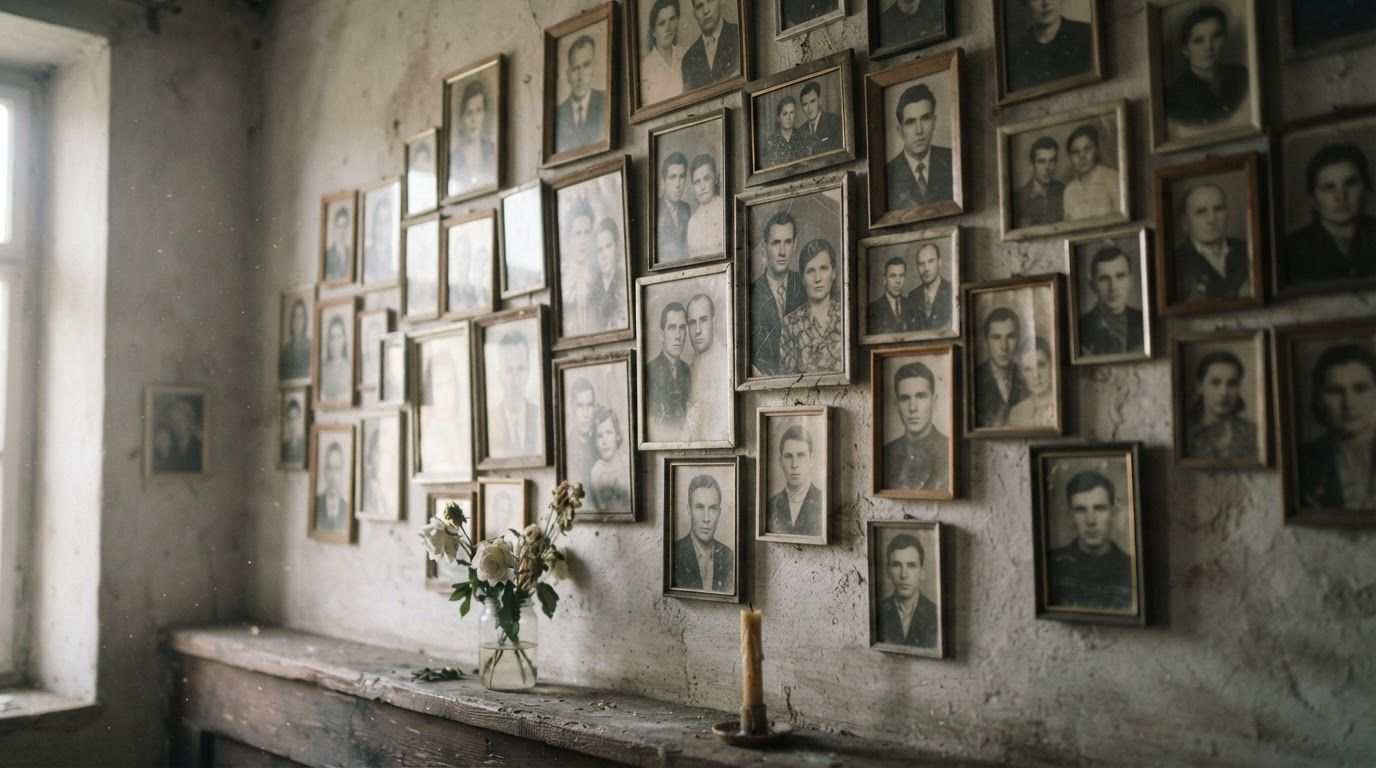
According to Azerbaijan’s State Commission, as of 1 October 2026, 4,010 people were registered as missing as a result of the conflict: 4,004 from the first Karabakh war and six from the 2020 war. The list includes 3,228 military personnel and 782 civilians. Among the civilians are 71 children, 288 women and 319 elderly people. It fully describes the scale of the loss, but not the daily reality for families. Disappearance denies them the certainty needed to mourn. They cannot know whether to keep hoping or begin to say goodbye. The uncertainty is passed from one generation to the next.
The issue is also central to the search for human remains and the identification of mass graves. Investigators found numerous burial sites in territories returned after the 2020 war. Without reliable information, including maps and coordinates from the Armenian side, investigators face serious obstacles in locating graves and identifying the dead.
International humanitarian law recognizes the right of families to know the fate of their missing relatives and obliges parties to conflict to search for them. The relevant framework includes the 1949 Third Geneva Convention, the Additional Protocols to the Geneva Conventions and the 2006 International Convention for the Protection of All Persons from Enforced Disappearance. Azerbaijan has also raised the case of 71 children who went missing in the early 1990s at the United Nations, calling for international support to establish what happened to them. The humanitarian consequences of conflict must be addressed alongside political and security questions.
Since 2002, Azerbaijan has put forward resolutions on missing persons at the UN General Assembly every two years; they have been adopted by consensus. The issue has also been recognized as relevant to peacebuilding. In 2025, the International Commission on Missing Persons argued that accounting for the missing could help consolidate peace in the South Caucasus.
Unfortunately, Armenia has avoided fulfilling these legal obligations. This should have been a serious signal for international organizations dealing with the issue. However, international institutions have turned a blind eye to Yerevan’s approach to prisoners and missing persons. President Ilham Aliyev addressed this issue more directly in his message to participants of the IV International Conference within the Baku Dialogue on "Strengthening Trust and Developing Effective Mechanisms for Resolving the Issue of Missing Persons."
Speaking about the new geopolitical realities emerging in the South Caucasus and their humanitarian implications, President Ilham Aliyev emphasized the importance of the Washington agreements. In his message, he stated:
"The full restoration of Azerbaijan’s sovereignty and territorial integrity, coupled with its consistent pursuit of peace, has created a historic opportunity for lasting peace and cooperation in the South Caucasus. The signing of the Joint Declaration between Azerbaijan and Armenia on August 8, 2025, in Washington, in the presence of the President of the United States of America, as well as the initialing of the peace treaty between the two countries, marked crucial steps in this direction. Achieving lasting peace requires not only political agreements but also building trust and addressing the humanitarian consequences of the conflict. Establishing the fate of missing persons is an integral part of this process and a moral responsibility we bear toward their families. As a result of Armenia’s military aggression against Azerbaijan, which lasted for more than thirty years, 4,010 Azerbaijanis, including children, women, and the elderly, are officially recorded as missing. We note with regret that the activities of the International Committee of the Red Cross over these years have produced no results."
In his message, President Ilham Aliyev also stressed that determining the fate of missing persons remains one of the priorities for the Azerbaijani state.
The Azerbaijani position is that the lack of tangible results demonstrates the need for greater accountability and more effective international mechanisms. The issue is no longer simply about maintaining humanitarian engagement. Thirty years is not simply a long period of time. It is an entire lifetime.
Children who were ten or twelve years old when their relatives disappeared would now be in their forties. Many of their parents may have died without ever learning what happened to their sons or daughters. Disappearance leaves families in a state of psychological uncertainty. They cannot fully grieve because they do not know whether they should continue to hope. They cannot move on because the absence remains unresolved.
For Azerbaijan and Armenia, the search for missing persons therefore remains one of the unresolved consequences of decades of conflict. Political agreements can establish a framework for peace, but they cannot by themselves answer the questions that thousands of families have been asking for more than thirty years.
Here we are to serve you with news right now. It does not cost much, but worth your attention.
Choose to support open, independent, quality journalism and subscribe on a monthly basis.
By subscribing to our online newspaper, you can have full digital access to all news, analysis, and much more.
You can also follow AzerNEWS on Twitter @AzerNewsAz or Facebook @AzerNewsNewspaper
Thank you!