
Israel’s Southern Lebanon operations aim to secure long-term energy corridors

Akbar Novruz
Read moreSouthern Lebanon has become the “main combat zone” for the Israel Defense Forces (IDF), according to IDF Chief of Staff, Eyal Zamir, who on Friday said the military is in a “state of war” in the area, explicitly excluding the northern front from the recent ceasefire agreement with Iran, AzerNEWS reports.
Speaking from the outskirts of Bint Jbeil in southern Lebanon, Zamir said the region remains the IDF’s central battlefield. The statement comes despite a US- and Pakistan-brokered truce reached on April 8 between Israel and Iran aimed at halting direct hostilities. However, fighting with Hezbollah has continued and intensified.
Lebanese officials report that since the start of the campaign on March 2, 2026, more than 1,800 people have been killed, including over 300 in a single wave of strikes earlier this week.
Israeli operations in southern Lebanon have expanded in scope, with military officials stating the objective is to “remove a direct threat” to northern Israeli communities. Zamir said Hezbollah has been “isolated within Lebanon” and claimed its supply lines from Iran have been significantly disrupted.
“We are not just fighting a militia; we are dismantling a threat that has loomed for decades,” he said, describing the military’s progress as “historic.”
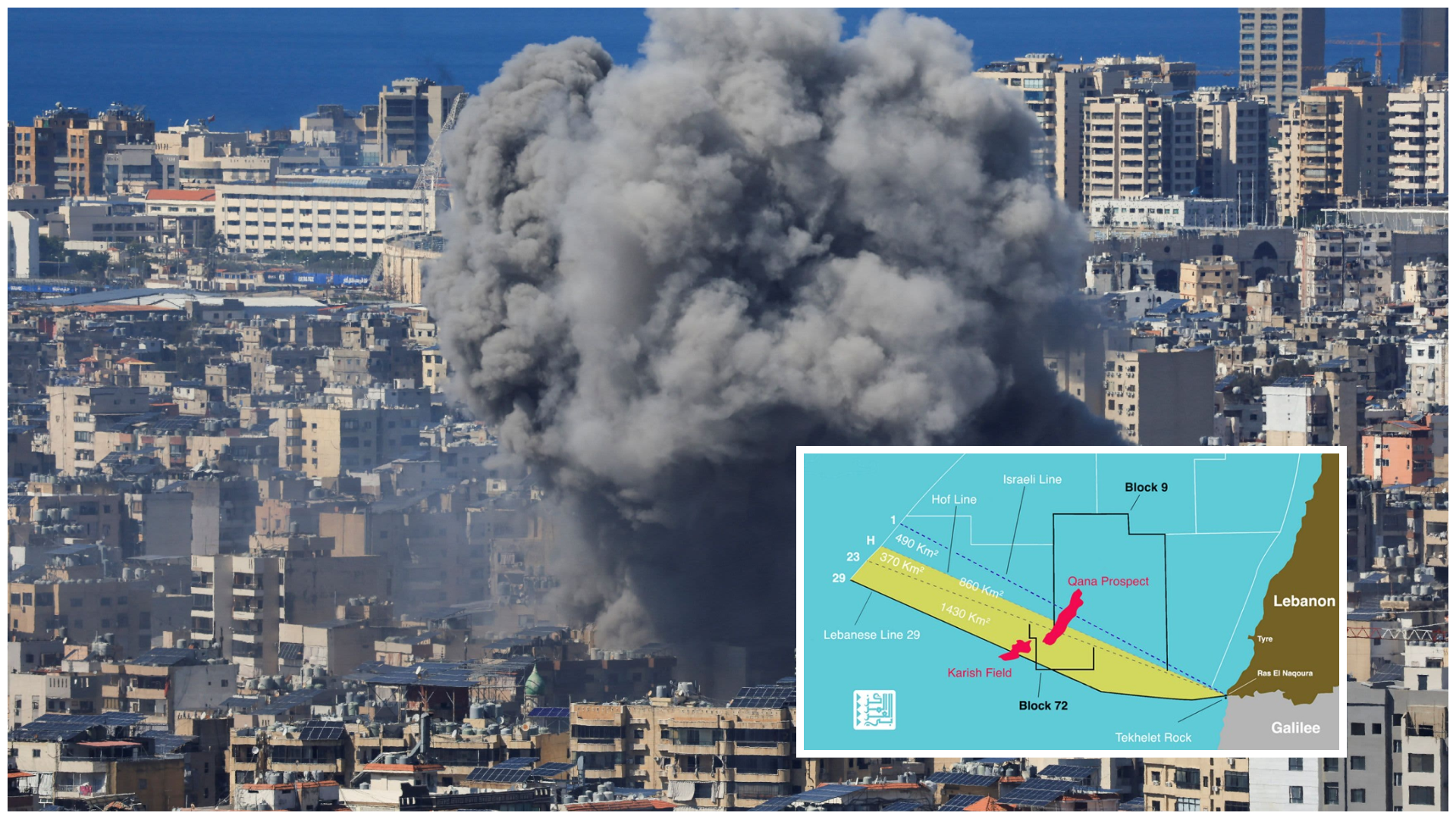
Beyond the battlefield, analysts say the conflict is increasingly shaped by competition over Eastern Mediterranean energy resources. A strategic briefing from the Center for Middle Eastern Strategic Studies (TESPAM) highlights that offshore reserves in Lebanese waters are becoming a central geopolitical factor.
Lebanon’s offshore “Qana Prospect” in Block 9 is estimated to contain nearly 2 trillion cubic meters of natural gas, making it one of the region’s most significant undeveloped energy assets. Control over these maritime zones, analysts argue, could reshape long-term economic influence in the Eastern Mediterranean.
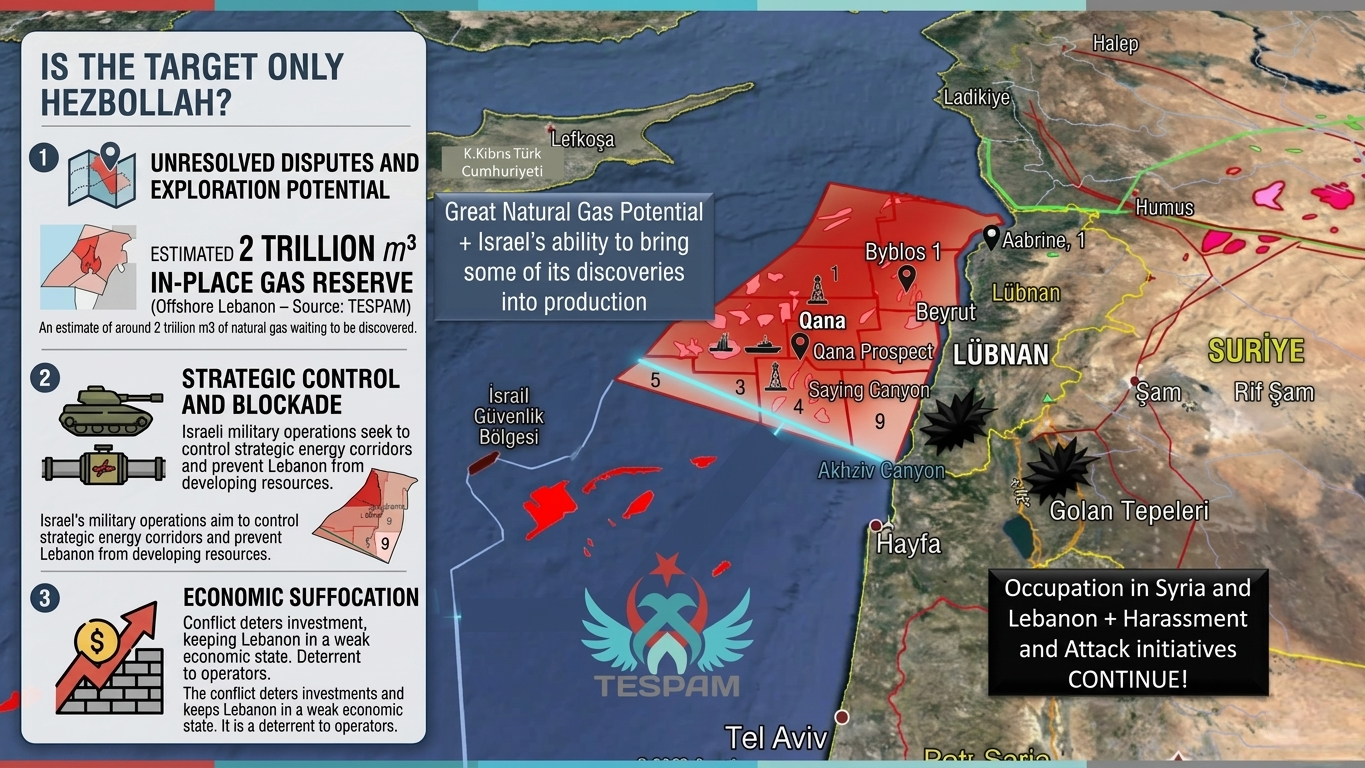
The report also suggests that Israel’s forward military posture is aimed at establishing a de facto security buffer extending toward the Litani River in southern Lebanon, pushing rocket systems further from Israeli territory while increasing strategic oversight of Lebanese energy corridors.
The continued state of conflict has also discouraged international energy investment. Companies such as TotalEnergies and Eni have previously been linked to offshore exploration projects in Lebanon, but analysts note that sustained hostilities make large-scale drilling operations unlikely.
Israel has meanwhile resumed production at the Karish gas field, which had been halted for 40 days at a reported cost of 1.7 billion shekels.
In Lebanon, however, energy development remains stalled amid ongoing military escalation and deteriorating economic conditions.
Here we are to serve you with news right now. It does not cost much, but worth your attention.
Choose to support open, independent, quality journalism and subscribe on a monthly basis.
By subscribing to our online newspaper, you can have full digital access to all news, analysis, and much more.
You can also follow AzerNEWS on Twitter @AzerNewsAz or Facebook @AzerNewsNewspaper
Thank you!