
Sweden’s labor market recovery delayed until 2027
By Alimat Aliyeva
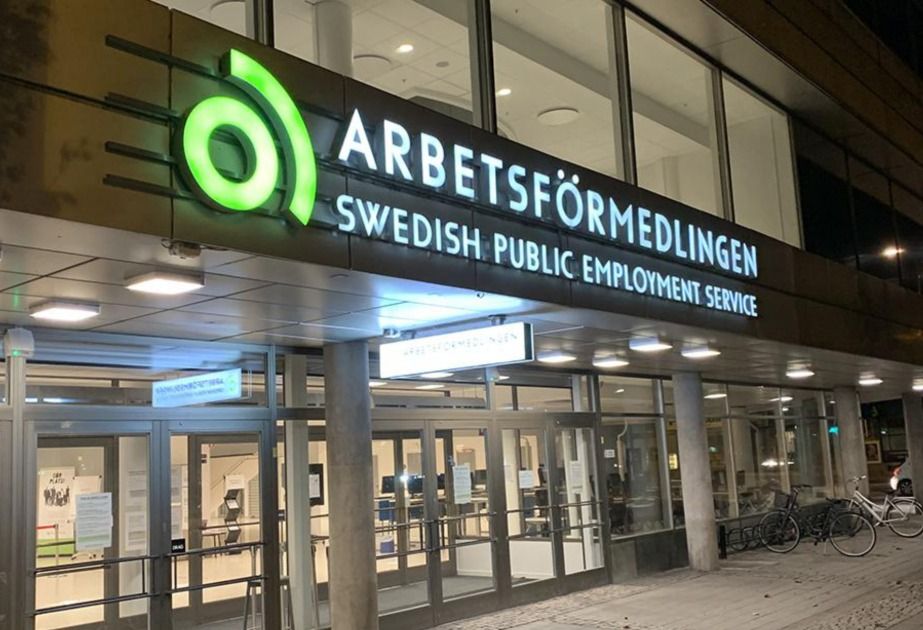
According to a new report from the Swedish Public Employment Service, the labor market has failed to return to its pre-crisis level over the past year. The unemployment rate is not expected to return to pre-crisis levels before the end of 2027, Azernews reports.
Analysts note that the labor market remains weak due to a prolonged economic slowdown caused by a combination of previously high inflation, rising interest rates, uncertainty in global trade policy, and subdued private consumption. These factors have negatively affected not only people with lower levels of education, but also professionals with secondary and higher education.
Despite a slight decline in unemployment during the autumn, the unemployment rate in 2025 remains higher than in the previous three years. On average, around 367,000 people are registered as unemployed in Sweden. According to forecasts, this number is expected to fall to approximately 345,000 in 2026, and by 2027 it may return to pre-crisis levels.
The first signs of improvement are mainly visible among young people, who tend to respond more quickly to economic recovery. However, significant challenges remain for young people without a completed upper secondary education, as well as for jobseekers with disabilities.
A survey conducted by the Employment Service among employers shows that more than half of the organizations that attempted to recruit staff in the past six months experienced difficulties in finding suitable candidates, despite the high unemployment rate. The most common reasons include a lack of relevant work experience and insufficient educational qualifications. As a result, many employers are beginning to relax experience requirements, creating more opportunities for entry-level workers, although the need for further training and reskilling remains urgent.
Experts emphasize that improving the situation will require a substantial expansion of participation in formal education and vocational training programs, particularly those targeting sectors with labor shortages. In addition, investments in digital skills and green industries are seen as a potential driver of job creation and long-term labor market resilience.
Here we are to serve you with news right now. It does not cost much, but worth your attention.
Choose to support open, independent, quality journalism and subscribe on a monthly basis.
By subscribing to our online newspaper, you can have full digital access to all news, analysis, and much more.
You can also follow AzerNEWS on Twitter @AzerNewsAz or Facebook @AzerNewsNewspaper
Thank you!