
Famous artist Manal AlDowayan reveals story behind Thikra dance production [INTERVIEW]
![Famous artist Manal AlDowayan reveals story behind Thikra dance production [INTERVIEW]](https://www.azernews.az/media/2026/10/15/rfrfre.jpg)
Laman Ismayilova
Read moreThe second Baku International Arts Festival (BIAF 2026), taking place from October 28 to November 8, 2026, is bringing leading international artists and creative groups to the Azerbaijani capital.
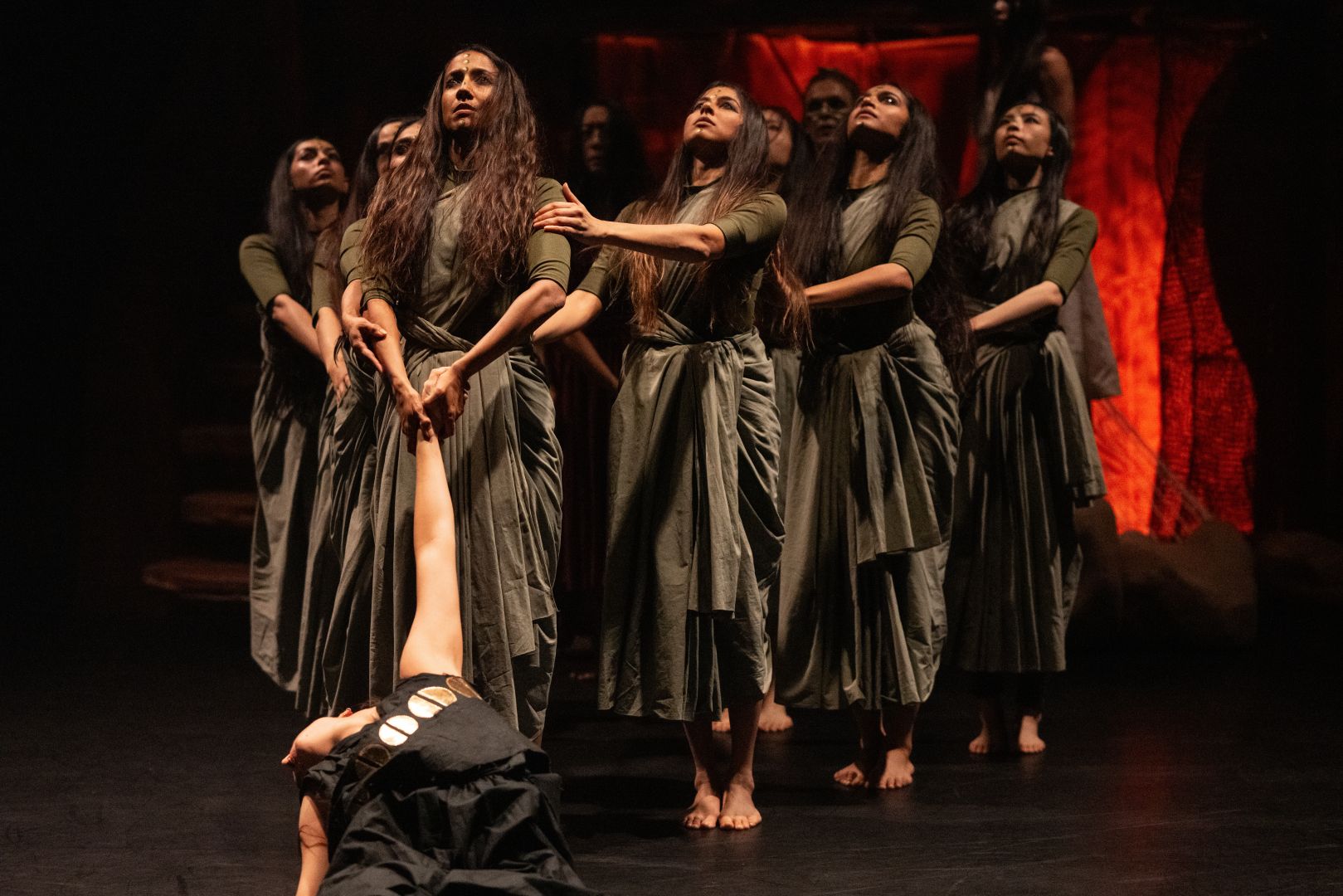
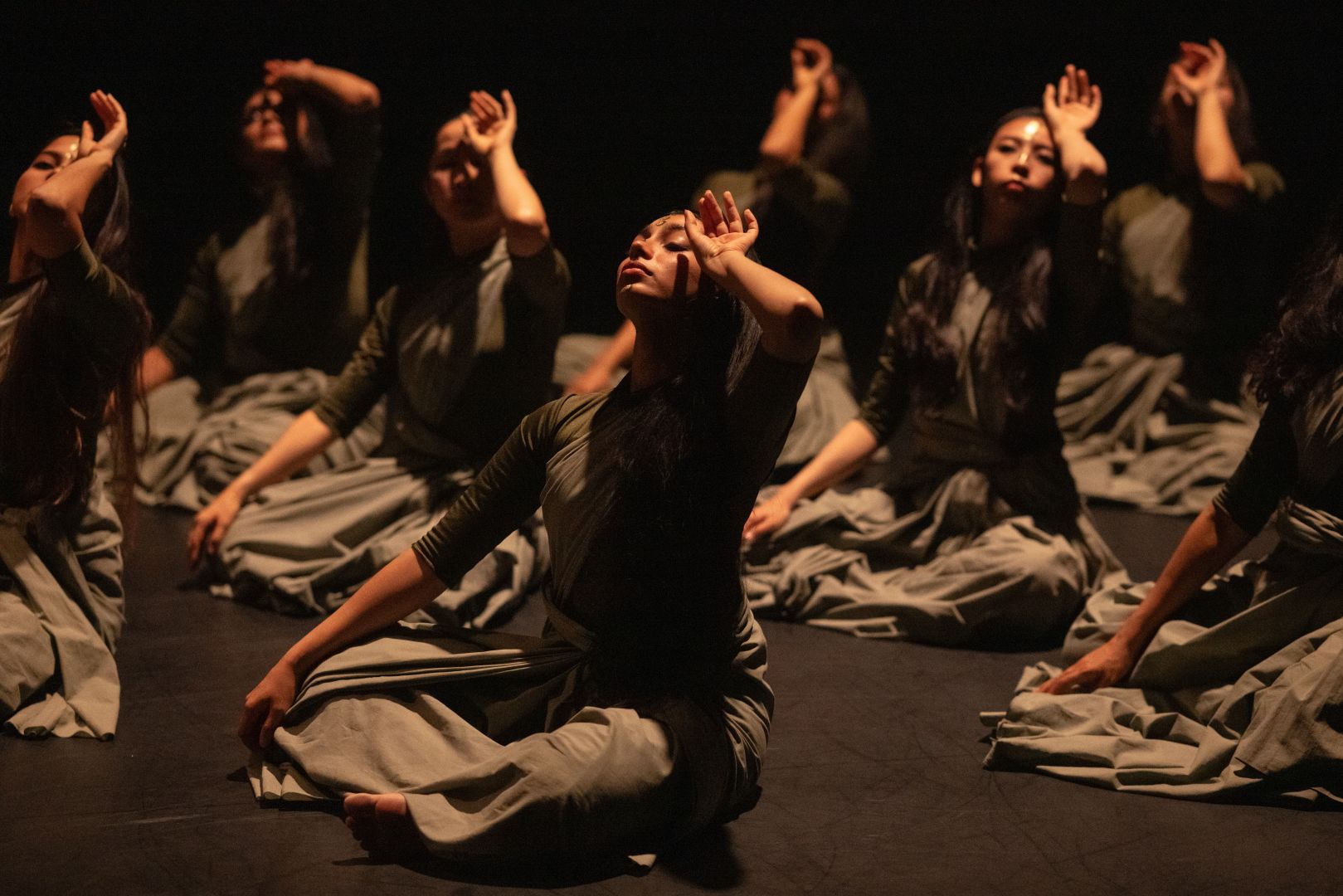
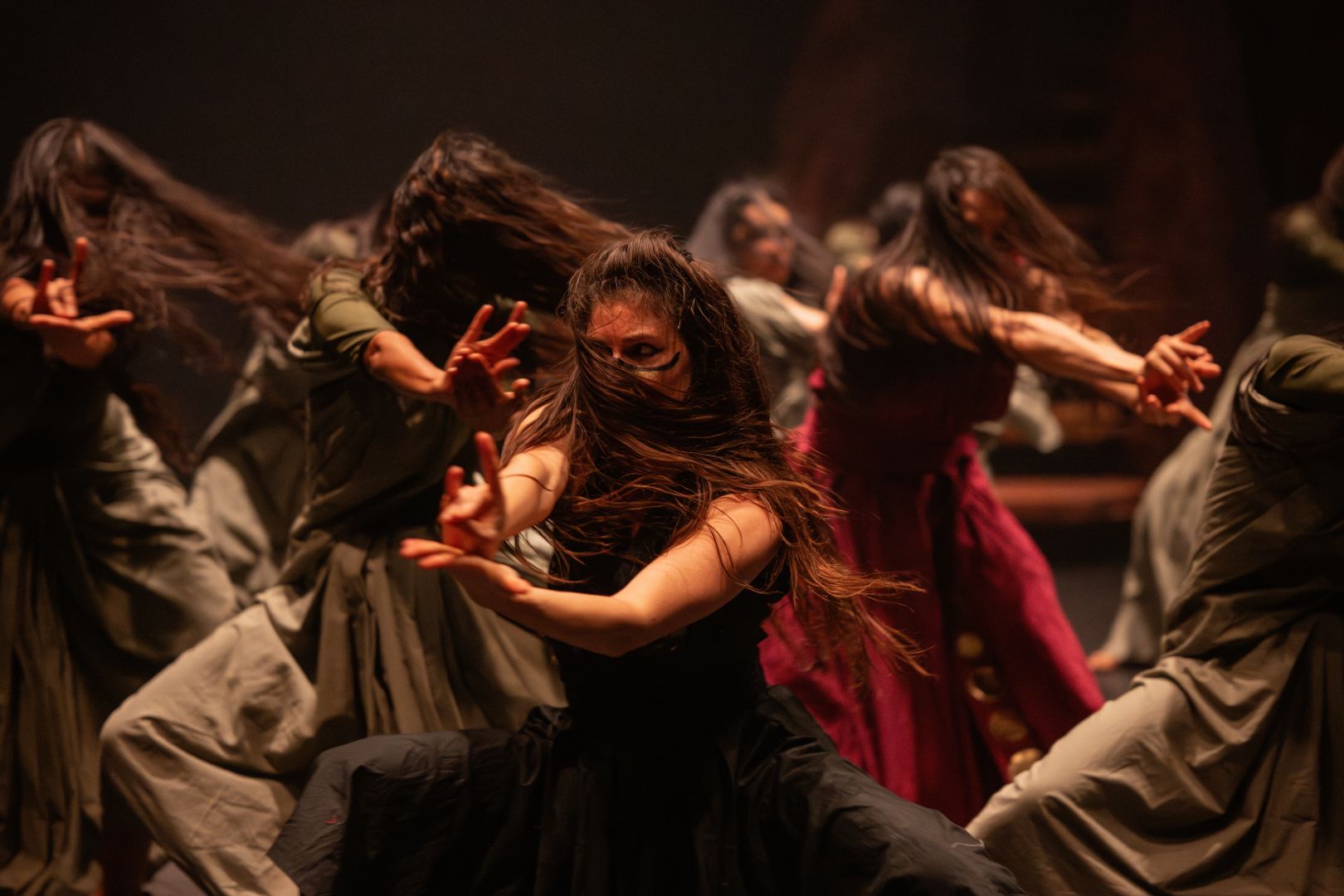
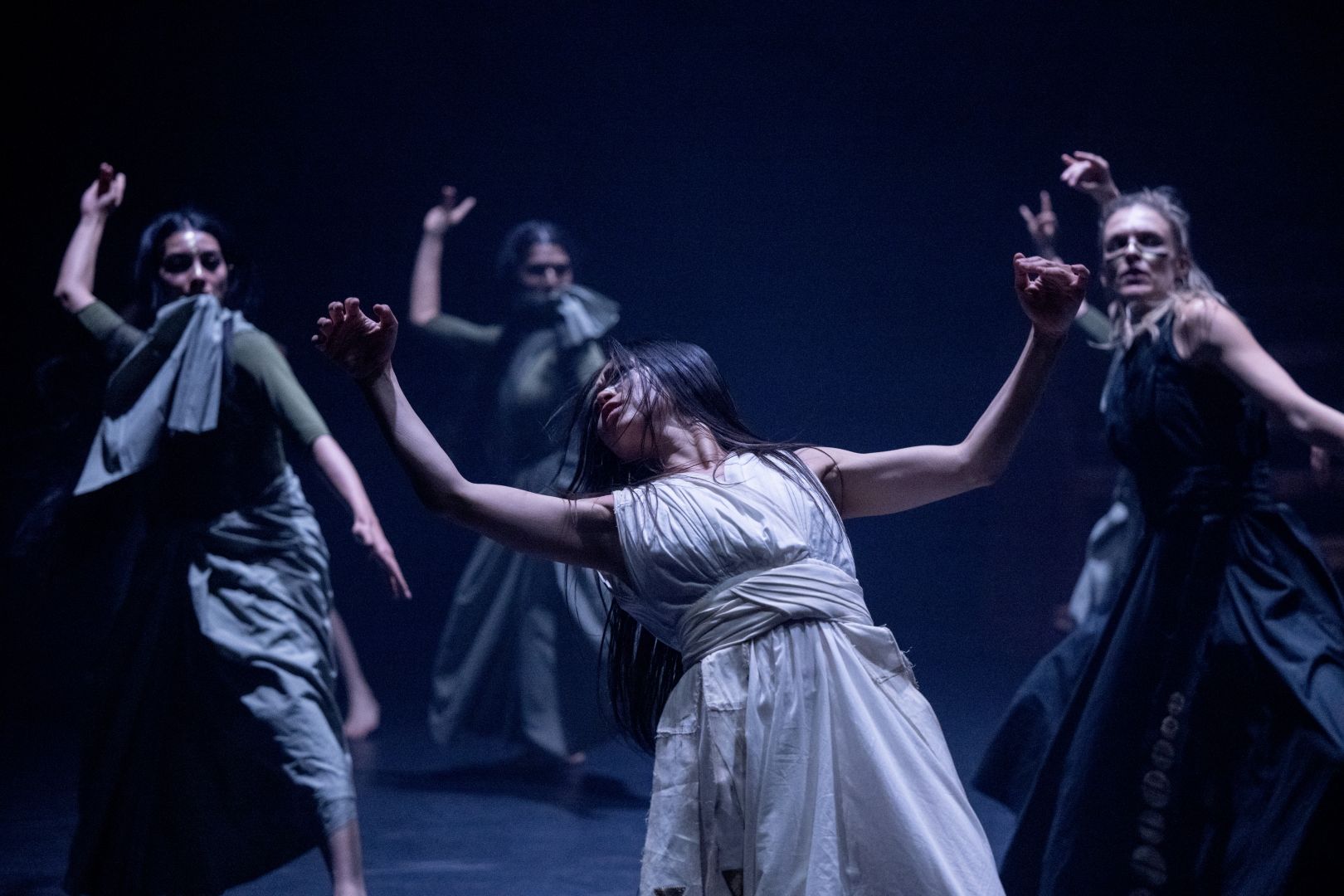
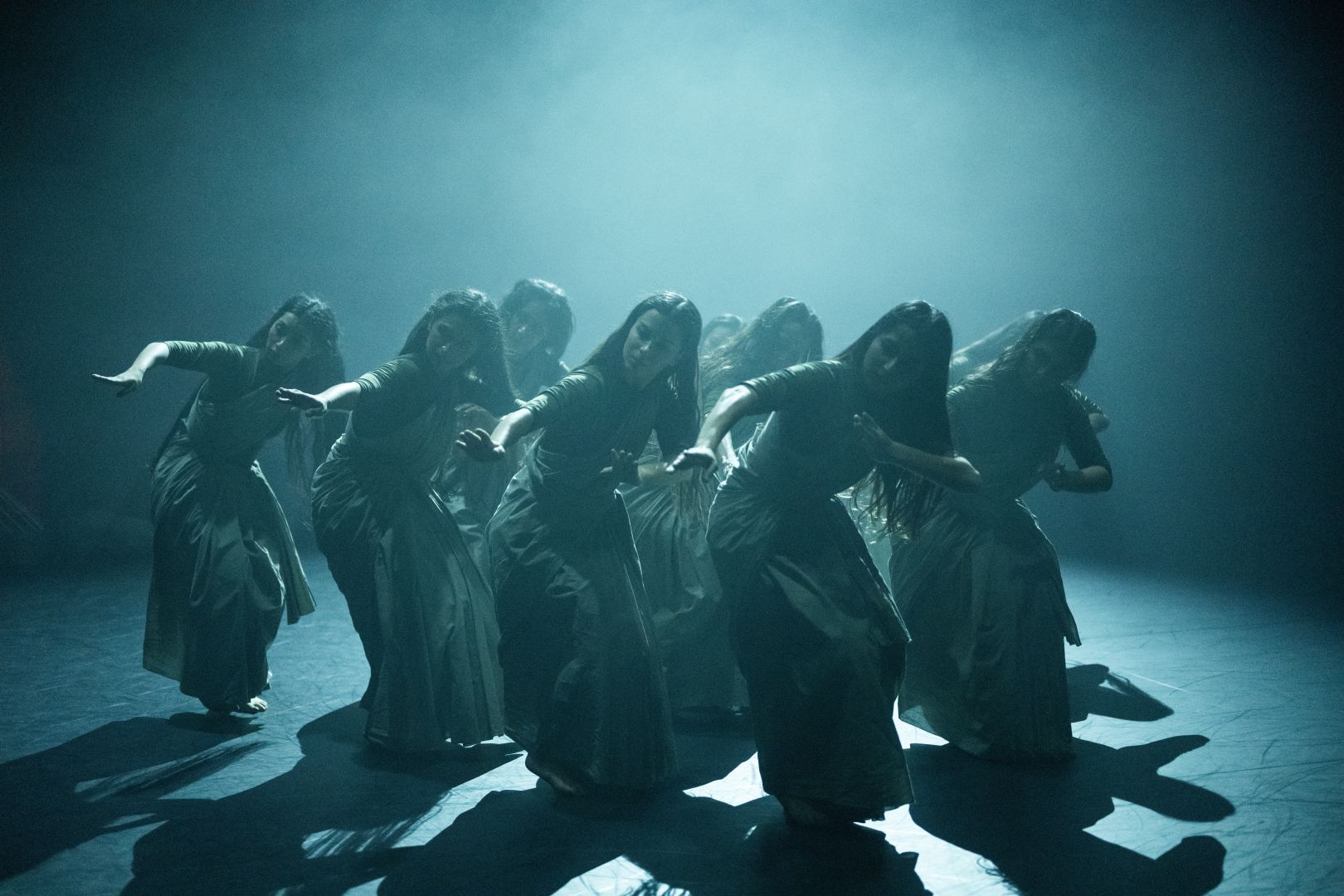
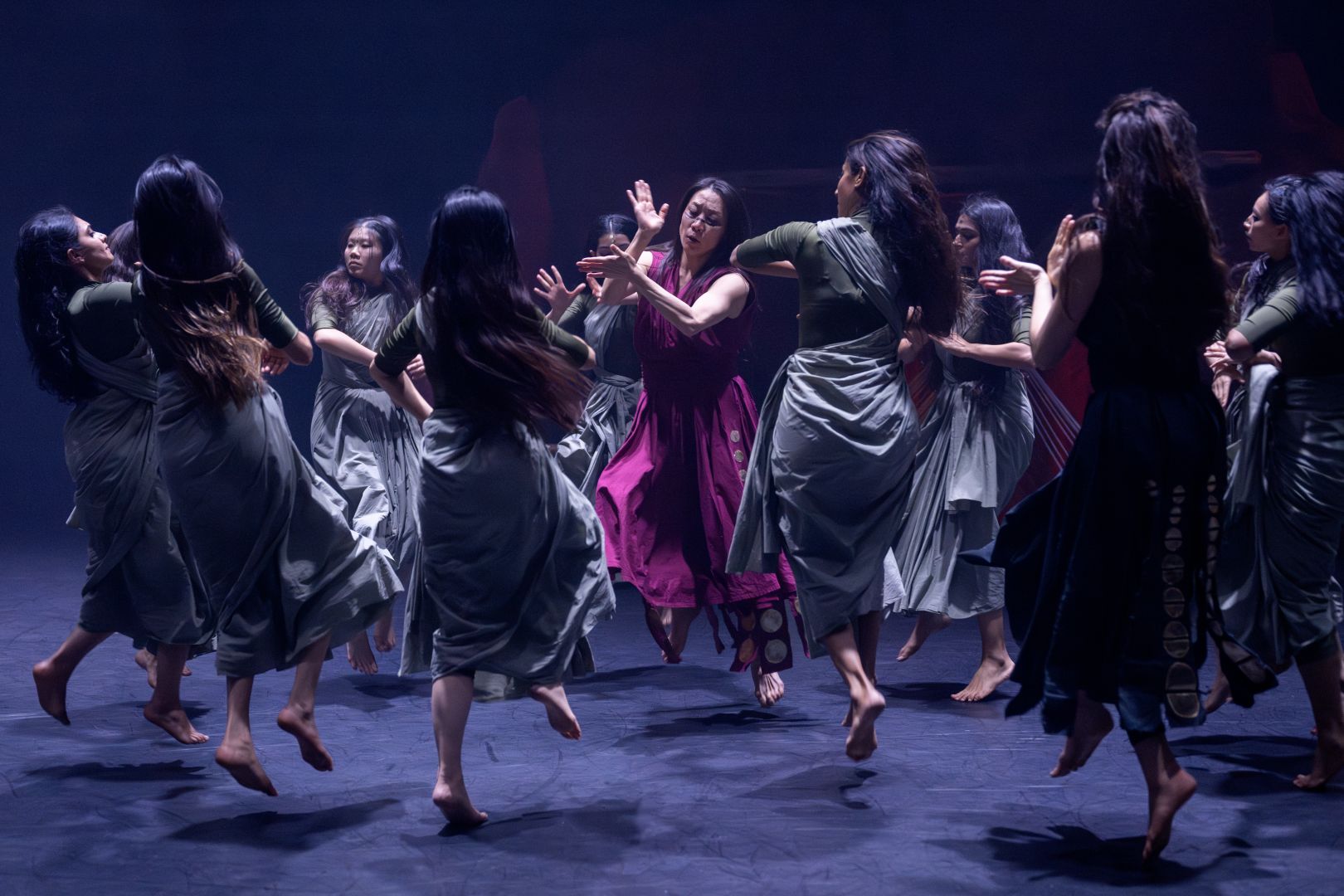
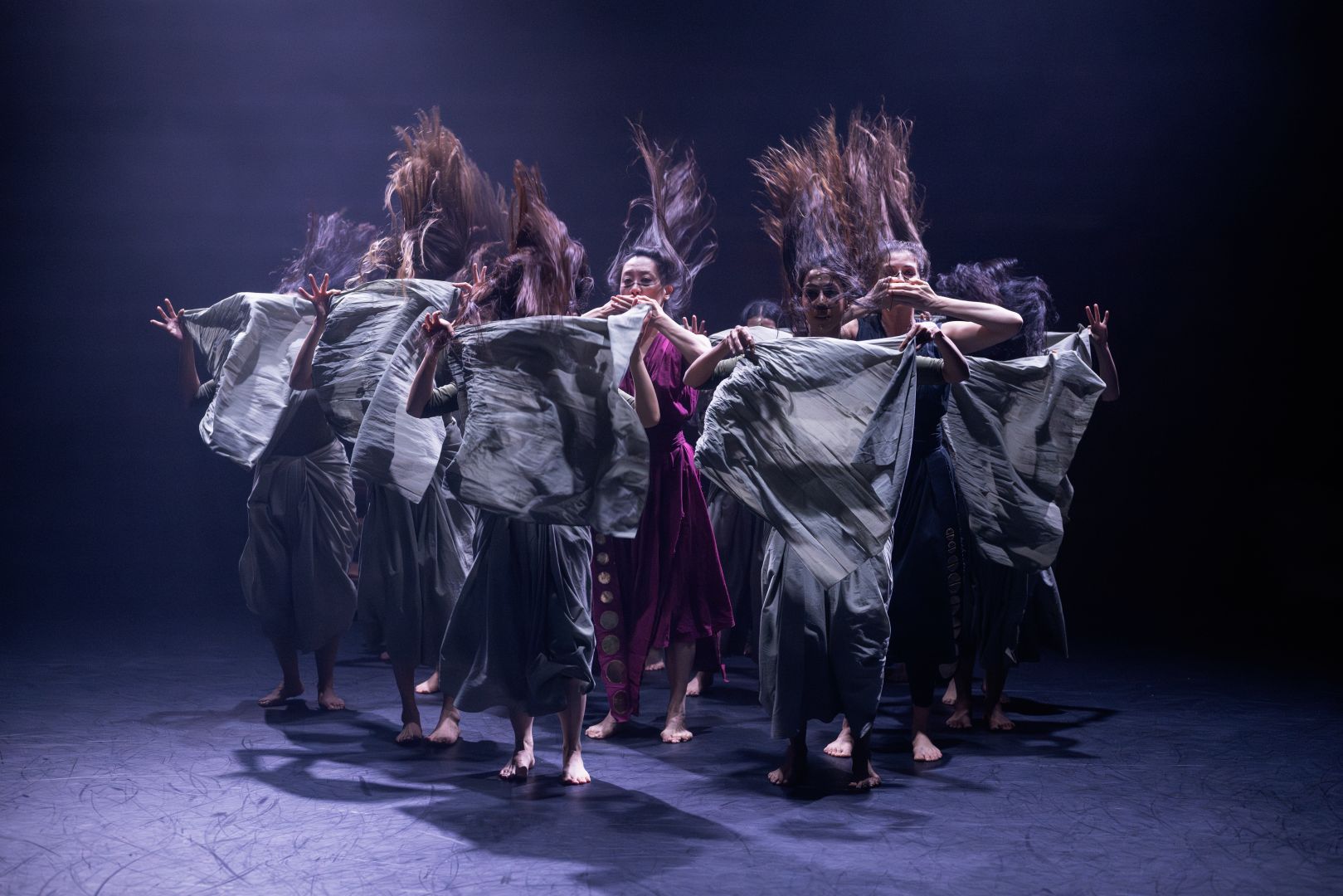
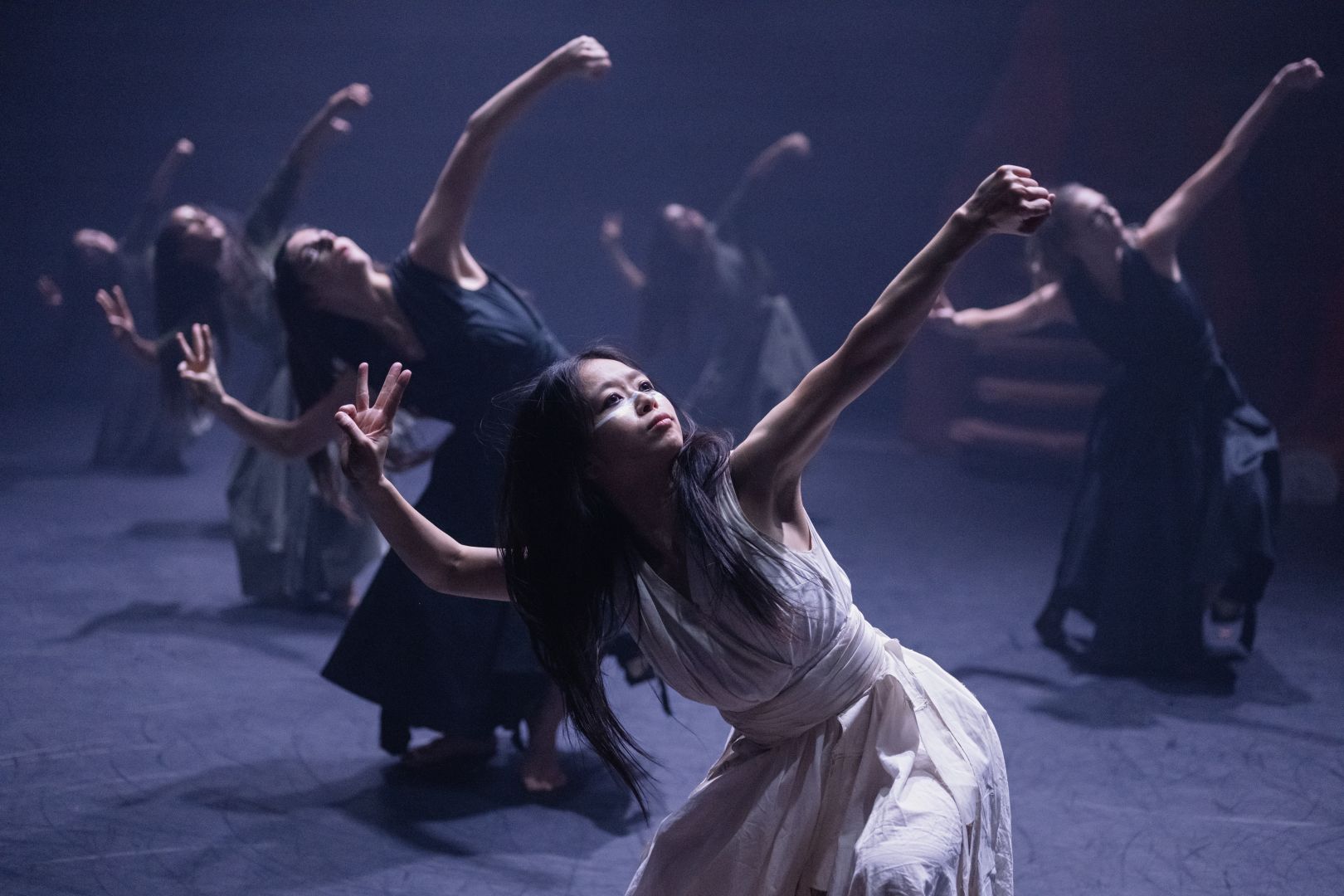
The festival programme includes more than 20 events spanning dance, theatre, music, film and visual arts. Among the highlights is Akram Khan Company's Thikra: Night of Remembering, co-created with Saudi artist Manal AlDowayan, who serves as the production's visual director. The work, which explores memory, ancestral knowledge and the cultural heritage of the East, will be presented in Baku as part of the festival programme.
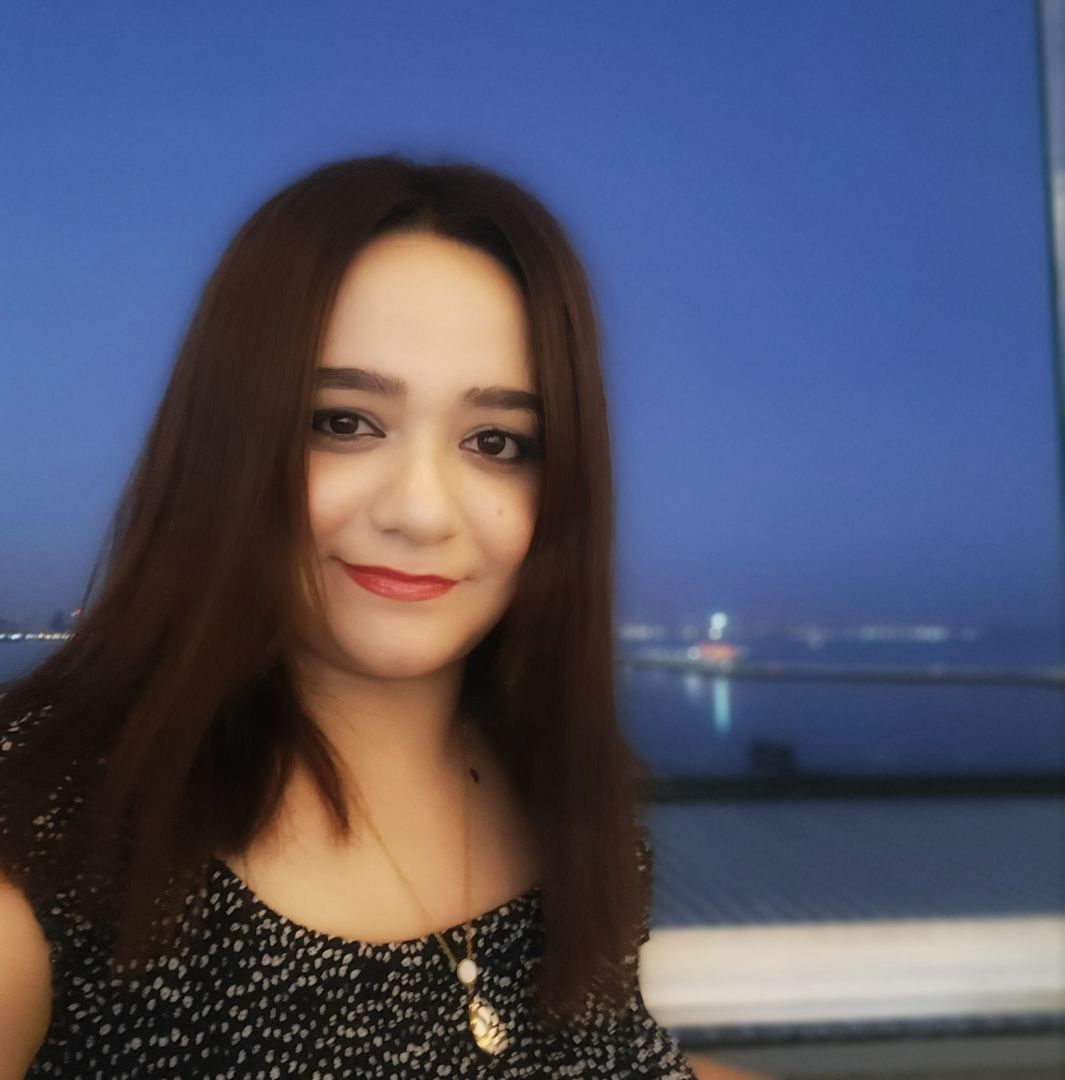
Manal AlDowayan, who is participating in BIAF 2026, spoke to AzerNEWS about her artistic practice, Saudi heritage and the ideas behind Thikra.
In the conversation, AlDowayan discussed her transition from visual art to live performance, the role of women in preserving cultural memory, and her experience representing Saudi Arabia at the 2024 Venice Biennale.
Q: How was the Thikra project born, and what was the initial idea or memory that inspired it?
A: Thikra began with the idea that without a past, there is no future. It became very personal for me during my early visits to AlUla, where I was exposed to a history that I hadn't really encountered through my education. When the historical sites opened, I was struck by how much knowledge was held there, in the architecture, the rock inscriptions, the symbols, and the traces of how people lived.
It made me think about what happens when these histories are overlooked, and what it means to rediscover them. From there, Thikra developed around remembrance and the search for ancestral knowledge, told through a community of women and the ways they preserve and pass that knowledge from one generation to another.
For me, that search for the past is something universal. Every civilization has its own ways of remembering, and Thikra is really about how we carry those memories with us and allow them to continue into the future.
Q: What drew you to move from visual art into the world of theatre?
A: It actually came through an invitation, so it wasn't something I had planned or expected. This project is quite a departure from my usual practice, and it was my first time working on a dance production, so I entered it with a lot of curiosity. I've admired Akram's work for many years, and the opportunity to collaborate with him felt exciting, but I also knew I was stepping into a completely different creative world.
From the beginning, there was a very natural connection between us. On our first visit to AlUla, I invited Akram to the home of a local friend, and we spent time listening to and talking about local music, traditions, and stories. I think we understood quite quickly that we shared a way of thinking about the work, and from there we began building it together. The process lasted almost two years, and for me it was very much a process of learning, exchange, and trust.
Q: Women, rituals, and traditions are central to the project. What did you want to express about women through Thikra?
A: Women have always been central to my work, and in Thikra I was thinking about their role as keepers of memory and knowledge. So much is passed from one generation to another through women; not necessarily through written history, but through stories, rituals, songs, gestures, craft, and everyday practices.
I was interested in that form of knowledge because it is very embodied. In Thikra, the women carry these memories within them, and through the performance they transmit them to one another. There is a sense of continuity, but also transformation, because traditions are never simply repeated; each generation carries them forward in its own way.
Q: What did theatre allow you to explore or express that would not have been possible in the same way within an exhibition or installation setting?
A: Theatre allowed me to think about the work as something that unfolds through time, rather than something you encounter as a fixed object or space. In my visual practice, I often work with installation, sculpture, and image, but here the body became part of the visual language. Everything is constantly moving and changing; the costumes, the scenography, the light, the sound, and that created a very different way of thinking for me.
I was especially interested in seeing how an object or a symbol could change meaning through the body. A shape that might be static in an installation becomes something completely different when a dancer carries it, moves through it, or interacts with it. It becomes part of a gesture and part of the narrative.
Q: After representing Saudi Arabia at the 2024 Venice Biennale, did that experience change the way you think about presenting Saudi identity to a global audience?
A: By the time I arrived in Venice, I had already been fortunate to present my work internationally for many years. My work has entered collections such as the British Museum, Centre Pompidou, the Guggenheim in New York, among others, and I have participated in biennales and exhibitions in many parts of the world, from China and Japan to Brazil. Those experiences had already taught me a great deal about how work that comes from a very specific place can enter different cultural contexts.
So I wouldn’t say Venice completely changed the way I think about presenting Saudi identity, but it gave me a very particular platform and an opportunity to think carefully about how I wanted to use it. I felt a responsibility not only to present my own voice, but to open the space to other voices and create a conversation.
Q: What do you hope will stay with audiences after they experience Thikra?
A: I actually love attending performances of Thikra because I get to experience the audience's reaction in real time. There is something very beautiful about that collective experience, especially for me as a visual artist. You feel the room responding together, but you also know that each person is taking something different away from it.
I've always wanted people to leave my work with a question rather than an answer. With Thikra, that question is connected to memory, what we inherit, what we remember, what we forget, and what we choose to carry forward. The work comes from something very intimate and specific, in my own search for ancestral knowledge, but the idea of ancestrality and even memory itself is completely universal.
Thikra was first presented in Saudi Arabia, and since then I've had the privilege of watching it travel and meet audiences across Europe, the United States, Latin America, and Asia. What has stayed with me is seeing how people from very different places can find their own connection to it without necessarily knowing all of its references. I think there is something very powerful in that. We don't need to have the same histories or memories to recognize that feeling in one another. Maybe these shared human experiences can bring us closer, not by erasing our differences, but through them.
Thikra: Night of Remembering will be presented in Baku on 31 October and 1 November on the stage of the Azerbaijan State Academic National Drama Theatre.
Here we are to serve you with news right now. It does not cost much, but worth your attention.
Choose to support open, independent, quality journalism and subscribe on a monthly basis.
By subscribing to our online newspaper, you can have full digital access to all news, analysis, and much more.
You can also follow AzerNEWS on Twitter @AzerNewsAz or Facebook @AzerNewsNewspaper
Thank you!