
Music, fashion and social media bring 2016 era back

Laman Ismayilova
Read moreThroughout 2026, TikTok and Instagram users have been revisiting the music, clothes, filters and online culture of the mid-2010s.
The phrase "2026 is the new 2016" became one of the year's early viral trends, with users posting old photographs, recreating forgotten challenges and bringing back the visual style of the era. By September, nostalgia had become a broader trend on TikTok, with Vogue Business reporting continued interest in archival and niche content.
The numbers showed how quickly the idea spread. In January, TikTok data cited by Forbes showed that the 2016 hashtag had risen by more than 450 percent in the US over several weeks. Searches for "2016 songs" increased by 290 percent, while searches for "2016 makeup" rose by 600 percent over the same period. The hashtag was already appearing in more than a million TikTok posts when ABC News examined the trend in January.
The revival has its own soundtrack. Songs associated with the period have returned to social media, while Zara Larsson's "Lush Life" was among the clearest examples of an old hit receiving a new boost. Forbes reported that the song climbed to No. 8 on the UK singles chart and re-entered the US Billboard Hot 100 during the January wave.
Fashion has followed the music. Chokers, skinny jeans, bomber jackets, slip dresses and heavy Instagram-style filters have all returned to the conversation. Vogue noted that bomber jackets, for example, were already seeing renewed interest, while some of the decade's other accessories and styling ideas were being reinterpreted rather than simply copied.
But the appeal of 2016 is not really about wanting every part of 2016 back. The year itself was far from carefree. It was marked by major political and social upheaval, the Zika outbreak and the deaths of cultural figures including David Bowie and George Michael. The nostalgia now circulating online is therefore selective: people are remembering particular cultural experiences rather than attempting to recreate the entire year.
What people appear to miss most is the way the internet felt. In 2016, Instagram feeds were still dominated by photographs from friends and family, while Snapchat filters, Musical.ly videos, memes and viral challenges could reach huge audiences quickly. Pokémon Go became a worldwide phenomenon.
That sense of a shared internet is central to the current revival.
Today's social-media environment is much more fragmented. Instead of millions of people seeing the same viral moment, users often move through highly personalized feeds filled with different communities, interests and microtrends. The appeal of 2016, in this reading, is partly the memory of a time when online culture felt more collective.
There is also a psychological reason nostalgia can be attractive. Research published in Emotion found that nostalgia can strengthen people's sense of continuity between their past and present, partly through feelings of social connectedness. More recent research on nostalgic social-media use similarly found that revisiting meaningful personal memories can increase positive affect and a sense of meaning in life, although the effects vary between individuals.
That helps explain why old photographs work so well on today's platforms. A 2016 picture is not simply a picture from a particular year. For many users, it is a reminder of friends, music, school, first jobs, holidays or a period of life that cannot be recreated.
For younger users, the relationship is even more complicated. Some members of Gen Z were children or young teenagers in 2016. They remember the cultural atmosphere, but they experienced much of it before becoming adults. The nostalgia therefore combines genuine personal memory with an imagined version of adolescence and young adulthood. Analysts cited by Fortune have linked the trend to a desire for the less expensive, less professionally managed and less fragmented digital culture associated with the mid-2010s.
In other words, 2016 may not be special because it was objectively better.
It may be special because it was still close enough to remember but far enough away to romanticise.
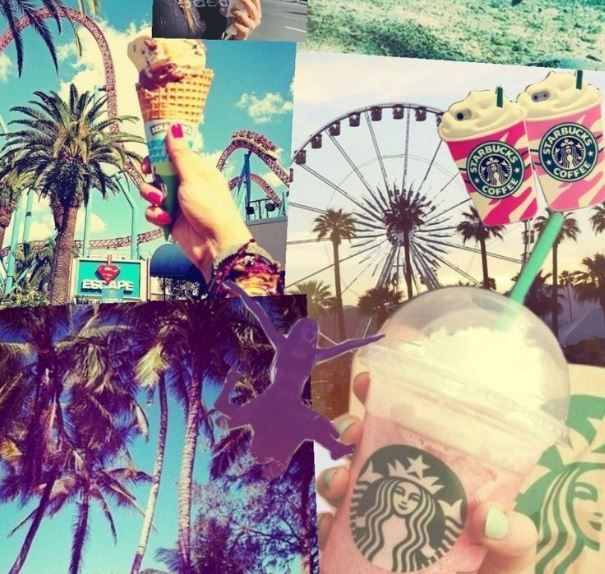
The decade has also given the internet enough distance to turn ordinary details into cultural artifacts: Snapchat dog ears, wired headphones, chokers, colorful drinks, old smartphone cameras, Musical.ly videos and songs that once seemed impossible to escape.
Now they are being treated as evidence of another era. And that may be the most revealing part of the 2016 revival. People are not simply bringing back old clothes or songs. They are looking for a version of online life that felt less polished, less fragmented and more spontaneous.
The 2016 trend may eventually disappear, just as previous nostalgia cycles did. But September 2026 data suggests that the larger appetite for the past is still growing. And if the nostalgia cycle really has accelerated from 20 years to six or ten years, today's teenagers may not have to wait until 2046 to start missing 2026. They may start much sooner.
Photo: Pinterest
Here we are to serve you with news right now. It does not cost much, but worth your attention.
Choose to support open, independent, quality journalism and subscribe on a monthly basis.
By subscribing to our online newspaper, you can have full digital access to all news, analysis, and much more.
You can also follow AzerNEWS on Twitter @AzerNewsAz or Facebook @AzerNewsNewspaper
Thank you!