
Hadrut’s liberation: strategic turning point in Azerbaijan’s 44-Day war

Qabil Ashirov
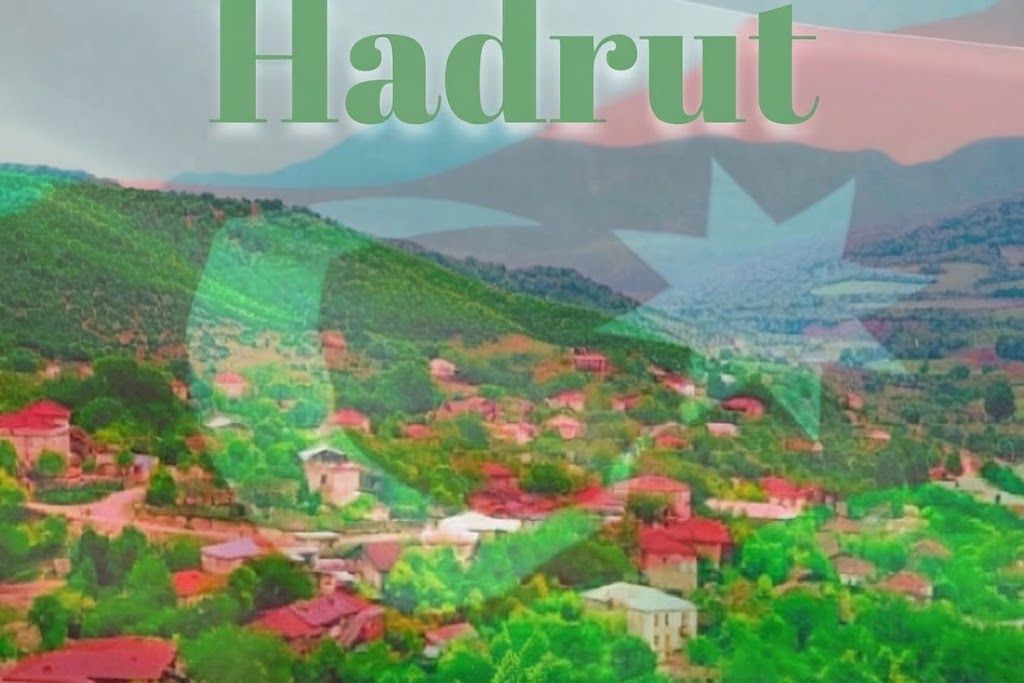
Read moreOctober 9 holds a special place in Azerbaijan’s modern history as the anniversary of Hadrut’s liberation during the 44-day Patriotic War of 2020. Located in the Khojavand district of Karabakh, Hadrut occupied a strategically important position because of its mountainous terrain, surrounding heights and connections with neighboring areas. Its liberation strengthened Azerbaijan’s military position in the southern part of the battlefield and created favorable conditions for subsequent operations toward Shusha.
Armenian armed forces occupied Hadrut on October 2, 1992, during the First Karabakh War. The occupation brought decades of displacement and economic disruption for the Azerbaijani population of the area. According to Azerbaijan’s Presidential Library, the occupied Hadrut district encompassed 679 square kilometers of fertile land, 41 villages and more than 1,000 industrial and agricultural facilities.
Hadrut’s economic value stemmed primarily from its agricultural resources, favorable climate and established traditions of rural production. Fertile soils and suitable conditions for viticulture created opportunities for vineyards, fruit cultivation, crop production and livestock farming. During the Soviet period, extensive vineyards formed part of the area’s agricultural landscape. The surrounding mountains, forests and rivers added further value through their potential for tourism, recreation and nature-based economic activities.
The settlement also possessed infrastructure and community facilities that supported local economic life. Agricultural production, retail trade, transport links and public services connected Hadrut with neighboring settlements. Restoring these connections after liberation therefore became an important element of Azerbaijan’s broader reconstruction agenda. The revival of farming, the rehabilitation of roads and utilities, and investment in tourism can create employment, stimulate local businesses and contribute to the economic development of the wider Khojavand district.
Hadrut’s military significance became particularly evident during the Second Karabakh War, which began on September 27, 2020. After Azerbaijani forces advanced through the southern front and liberated Jabrayil, Hadrut emerged as a key operational objective. Its mountainous surroundings offered defensive advantages to forces controlling the commanding heights, while the settlement served as an important location for military coordination and supply activities in the surrounding area.
Fighting around Hadrut intensified on October 7, 2020. Azerbaijani forces gained control of strategically important heights and surrounding settlements before securing the settlement itself. On October 9, President Ilham Aliyev announced Hadrut’s liberation in a nationwide address, describing the achievement as a historic victory. The operation demonstrated the importance of coordinated planning, battlefield mobility and control of elevated terrain in overcoming fortified defensive positions.
The liberation of Hadrut also influenced the subsequent course of the war. Control over the settlement and surrounding heights improved Azerbaijan’s operational position in the southern sector, weakened Armenian defensive arrangements in the area and opened additional opportunities for advancing toward the interior of Karabakh. The operation formed an important stage in the sequence of military successes that included the liberation of Fuzuli on October 17 and culminated in the liberation of Shusha on November 8, 2020. Azerbaijan’s leadership later emphasized Hadrut’s contribution to the planning and execution of the Shusha operation.
Beyond its battlefield consequences, Hadrut’s liberation carried considerable political and social significance for Azerbaijan. It strengthened public confidence during the war, reinforced the country’s determination to restore control over its internationally recognized territories and became a symbol of the Azerbaijani military’s progress. The return of the settlement also created the foundation for the restoration of homes, infrastructure and economic activity, alongside the prospect of rebuilding communities displaced during the conflict.
Today, Hadrut represents both a historic military achievement and an opportunity for long-term regional development. Reconstruction initiatives, agricultural investment, vineyard restoration and cultural tourism can help transform its natural and economic advantages into sustainable growth. Its mountainous landscape, historical heritage and rural traditions provide valuable foundations for this process.
The liberation of Hadrut on October 9, 2020, thus combined military, economic and national significance. Its strategic location contributed to Azerbaijan’s advance toward Shusha, while its fertile lands and development potential give it an important role in the country’s post-war reconstruction. Hadrut remains a defining chapter in the history of the 44-day Patriotic War and a symbol of Azerbaijan’s efforts to restore life and prosperity across its liberated territories.
Here we are to serve you with news right now. It does not cost much, but worth your attention.
Choose to support open, independent, quality journalism and subscribe on a monthly basis.
By subscribing to our online newspaper, you can have full digital access to all news, analysis, and much more.
You can also follow AzerNEWS on Twitter @AzerNewsAz or Facebook @AzerNewsNewspaper
Thank you!