
Oil, war, and collapse risks: Hidden global costs of Iran-US-Israel conflict

AzerNEWS Staff
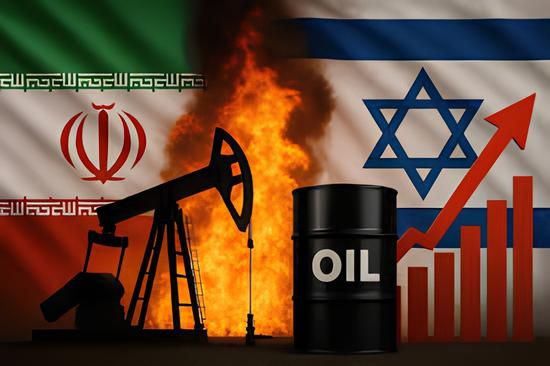
Read moreThe war between Iran, the United States, and Israel, which erupted on February 28, has rapidly expanded beyond the Strait of Hormuz, sending shockwaves through global energy markets and threatening economic stability worldwide. Attacks on Gulf countries have already driven oil prices upward, with the strategic waterway partially closed for several days, up to 95 percent, with limited passage allowed only at a fee.
According to the International Monetary Fund (IMF), the conflict is not only devastating lives and livelihoods in the Middle East but also undermining the recovery of countries still emerging from past economic crises. The IMF notes that the global impact is uneven: energy-importing nations, low-income countries, and those with limited fiscal capacity are the most vulnerable.
“Affected countries are experiencing severe economic consequences, including destruction of infrastructure and industry, with potentially long-lasting effects. Short-term growth prospects are negative,” the IMF report states.
Energy remains the primary channel of global disruption. An estimated 25-30% of global oil and 20% of liquefied natural gas (LNG) pass through the Strait of Hormuz, supplying markets in Asia and Europe. For energy-dependent countries in Africa and Asia, limited supply and soaring prices are straining economies already under fiscal stress.
Rising energy costs are compounded by surging food and fertilizer prices and tightening financial conditions, particularly in low-income nations. Some countries may now require external assistance despite previously reduced international support. The IMF warns that even a short-term conflict could trigger a sharp spike in energy prices, while a prolonged war would sustain elevated costs, further burdening importing nations.
“The de facto closure of the Strait of Hormuz and damage to regional infrastructure represents the largest supply disruption in history, effectively acting as an additional tax on the incomes of importing countries,” the IMF observed.
The war’s ripple effects vary by region. In Africa, the Middle East, and Latin America, energy-importing countries are grappling with rising import costs against limited budgets and foreign exchange reserves. In major Asian economies, higher fuel and electricity costs are increasing production expenses and eroding consumer purchasing power, with some countries already facing balance-of-payments pressures and currency depreciation.
Europe is particularly sensitive to the crisis. Nations like Italy and the United Kingdom, which rely heavily on gas-fired power, are vulnerable to energy shocks reminiscent of the 2021-2022 gas crisis. By contrast, France and Spain are relatively insulated due to their greater reliance on nuclear and renewable energy. Meanwhile, oil-exporting countries with access to regional markets are benefiting, although supply constraints limit their potential gains.
The conflict is also disrupting global supply chains. Rerouting tankers and container ships increases transportation costs, insurance premiums, and delivery times, while air traffic interruptions in Gulf hubs are affecting tourism and trade. Fertilizer supply is particularly threatened, with roughly one-third of global fertilizer transiting the Strait of Hormuz. The timing is critical: disruptions during the northern hemisphere planting season could amplify food price volatility.
Other industrial materials are at risk as well. The Gulf supplies most of the helium used in semiconductor and medical technology, while countries like Indonesia, a major nickel supplier for electric vehicle batteries, face shortages of sulfur for metal processing. East African nations dependent on Gulf trade and remittances are experiencing decreased demand, logistical bottlenecks, and a decline in remittances.
Persistent high energy and food prices could drive global inflation higher. Historically, sustained oil price increases correlate with slower economic growth, as rising transportation and production costs are reflected in consumer prices. In regions with relatively low baseline inflation, such as parts of Asia and Latin America, rising energy and food costs test economic resilience, particularly in countries with weaker currencies. Europe faces further cost-of-living pressures, while low-income countries risk severe social and economic fallout.
Financial markets are destabilized. Global stock indices have declined, bond yields have risen across developed and emerging markets, and volatility has spiked. The tightening of financial conditions is particularly pronounced in Europe and many developing countries, where higher yields and widening credit spreads are increasing debt service costs. In sub-Saharan Africa, the Middle East, and South Asia, limited reserves and restricted market access amplify the danger of external financial shocks.
The war in the Middle East has evolved into a multi-layered global crisis. Beyond the immediate humanitarian toll, it is reshaping energy markets, disrupting supply chains, inflating commodity prices, and straining financial systems. Policymakers, businesses, and consumers alike should recognize that even economies far from conflict zones are highly vulnerable to disruptions in strategic areas like the Strait of Hormuz, underscoring the interconnectedness of today’s global economy.
Here we are to serve you with news right now. It does not cost much, but worth your attention.
Choose to support open, independent, quality journalism and subscribe on a monthly basis.
By subscribing to our online newspaper, you can have full digital access to all news, analysis, and much more.
You can also follow AzerNEWS on Twitter @AzerNewsAz or Facebook @AzerNewsNewspaper
Thank you!