
Baku’s transit strategy turns Yerevan from rival to stakeholder

Elnur Enveroglu
Read moreIn the grand, often sterile halls of international diplomacy, the 8th European Political Community (EPC) summit in Yerevan provided a moment of startling clarity. Addressing the assembly via video link, President Ilham Aliyev of Azerbaijan didn’t just speak of peace as a distant, aspirational concept. He spoke of it as a tangible, nine-month-old reality, which is currently being fueled by Azerbaijani diesel and lubricated by the transit of grain.
The shift in the South Caucasus since the landmark Joint Declaration signed in Washington last August is nothing short of a geopolitical tectonic shift. For decades, the region was defined by "frozen conflict" and zero-sum logic. Yet, as Aliyev noted, the past nine months have served as a masterclass in pragmatic reconciliation. Peace, it seems, is not merely the absence of gunfire; it is the presence of trade.

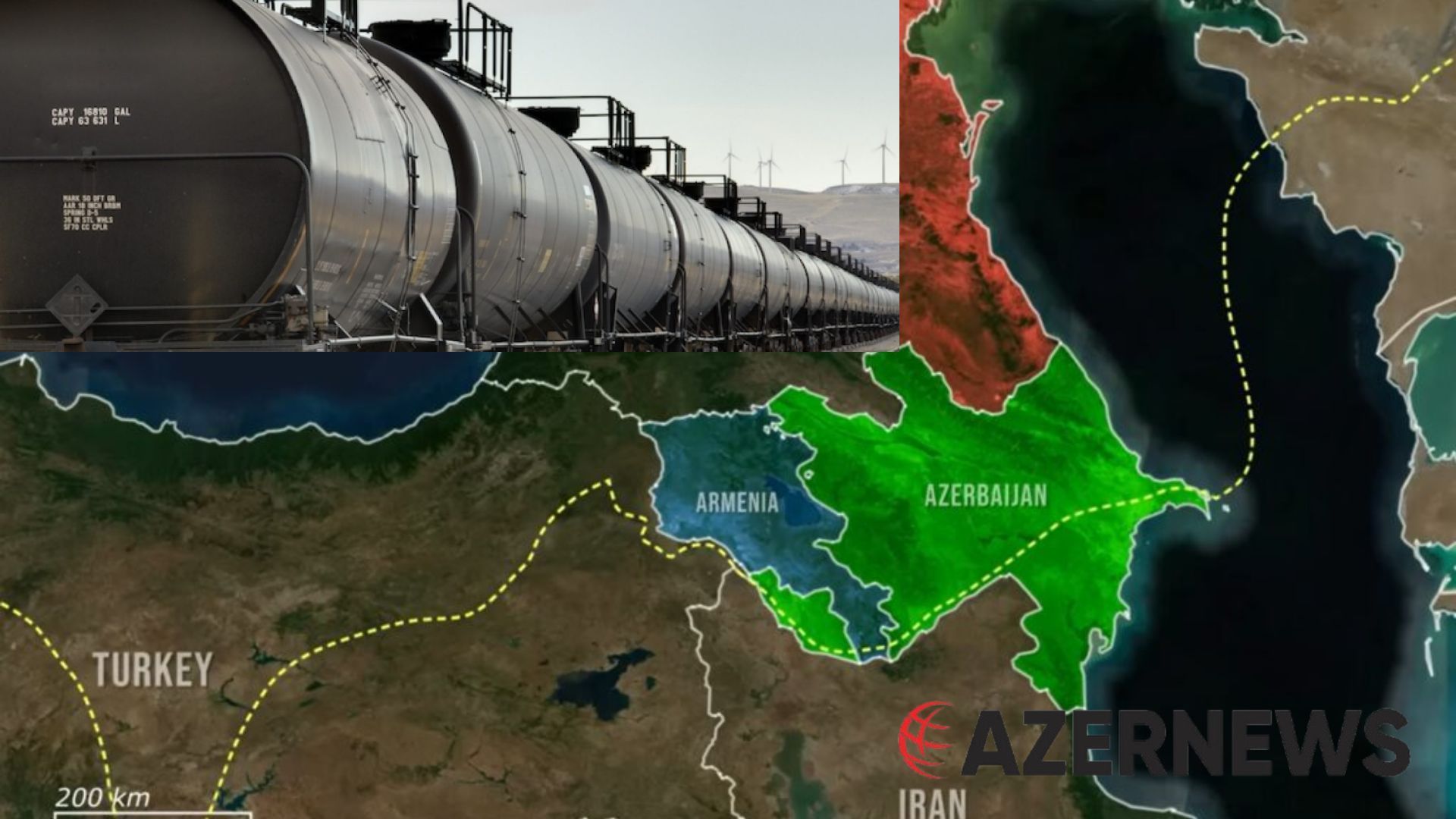
Since the Washington agreement, witnessed by the Trump administration, Baku has moved with surprising speed to dismantle the barriers of the 1990s. The statistics cited by Aliyev are telling: 28,000 tons of cargo have already moved through Azerbaijani territory to Armenia. Perhaps more symbolically, Azerbaijan has begun supplying gasoline and diesel to its neighbor, exporting 12,000 tons of oil products to date. There is a profound irony, and a glimmer of hope, in the fact that the very fuel that once powered tanks is now powering the cars of a former adversary.
The centerpiece of this "new normal" is the Trump Route for International Peace and Prosperity. Designed to connect mainland Azerbaijan with its exclave, Nakhchivan, the route is more than a regional shortcut; it is a vital artery for the Middle Corridor, linking Europe to Asia. By integrating Armenia into this network, Baku is offering Yerevan a stake in a prosperous future, a "peace dividend" that makes the cost of returning to conflict prohibitively high.
However, this regional optimism is being met with a curious, if not counterproductive, coldness from Brussels. While the European Commission has been supportive, the European Parliament and PACE seem stuck in a 2020 time warp. Aliyev’s critique of these institutions was sharp and unapologetic. He highlighted a glaring paradox: while Armenia and Azerbaijan are actively supporting each other’s bids to host future summits, the European Parliament has churned out 14 resolutions against Baku in five years.
The Azerbaijani decision to suspend cooperation with the European Parliament on May 1st is a defensive posture against what Baku perceives as "double standards." There is a legitimate grievance here. If the goal of European diplomacy is to foster stability, why penalize the state that has effectively resolved a thirty-year separatist conflict and is now facilitating the delivery of grain and fuel to its neighbor?
The Guardian-esque reality of the situation is that the South Caucasus is moving faster than the bureaucrats in Strasbourg can process. While some European deputies remain obsessed with the grievances of the past, Baku and Yerevan are busy building the infrastructure of the future.
As Aliyev prepares to host the EPC in 2028, a bid supported by Armenia, the message is clear: peace in the South Caucasus is no longer a fragile hope. It is rather an economic project. The West can either choose to facilitate this transit-led reconciliation or continue to lob resolutions from the sidelines. For the residents of the South Caucasus, however, the choice has already been made. They are learning to live in peace, one truckload of grain at a time.
Here we are to serve you with news right now. It does not cost much, but worth your attention.
Choose to support open, independent, quality journalism and subscribe on a monthly basis.
By subscribing to our online newspaper, you can have full digital access to all news, analysis, and much more.
You can also follow AzerNEWS on Twitter @AzerNewsAz or Facebook @AzerNewsNewspaper
Thank you!