
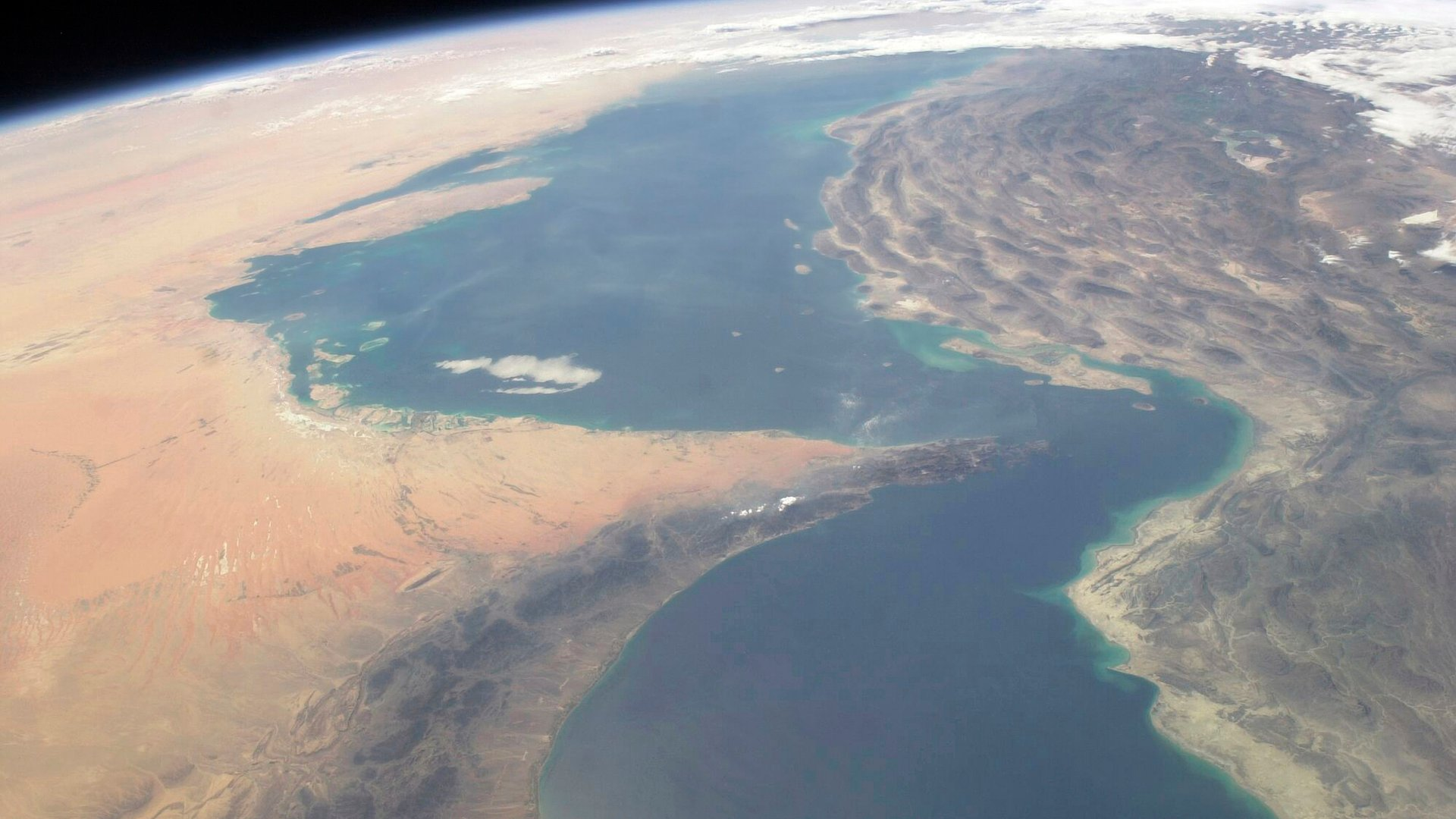
Strait of Hormuz could lose strategic importance within five years

Akbar Novruz
Read moreThe Strait of Hormuz could lose much of its traditional strategic importance within the next five years as Persian Gulf countries accelerate investments in alternative energy transportation routes, according to HSBC Chief Executive Georges Elhedery.
Speaking to Reuters, Elhedery said the development of new logistics infrastructure, particularly pipelines connecting energy-producing countries to ports outside vulnerable maritime routes, could significantly reduce the region's dependence on the strategic waterway.
The prospect of military confrontation involving Iran has highlighted the vulnerability of global energy supplies to disruptions in the Strait of Hormuz, through which approximately one-fifth of the world's oil and liquefied natural gas (LNG) trade has historically passed.
The risks associated with potential restrictions on maritime traffic have prompted Persian Gulf governments to increase investments in alternative export infrastructure, seeking to ensure that energy shipments can continue even during periods of regional instability.
According to Elhedery, these investments could strengthen the Gulf economies' ability to withstand the economic consequences of military conflicts and disruptions to international shipping.
The HSBC chief suggested that the development of alternative routes could fundamentally reshape the region's energy transportation network over the coming years.
Meanwhile, HSBC estimates that approximately $872 billion worth of infrastructure project packages are currently being proposed across the Middle East, North Africa and Türkiye.
The figures are based on data from MEED, a Dubai-based platform specialising in construction and infrastructure market analysis.
These proposed investments form part of a broader portfolio of projects valued at approximately $1.4 trillion that have yet to receive full approval.
The scale of the planned investments reflects efforts by regional governments to diversify transport networks, strengthen infrastructure and reduce exposure to geopolitical disruptions.
Despite the security challenges facing the region, the Persian Gulf continues to attract significant interest from international investors.
A recent HSBC survey involving more than 1,600 corporate executives and approximately 820 global institutional investors found that Gulf countries remain attractive destinations for investment.
The findings suggest that businesses and institutional investors continue to see opportunities in the region's infrastructure development and economic diversification plans.
However, the extent to which the Strait of Hormuz could lose its strategic significance will depend on the completion and operational capacity of alternative routes, as well as their ability to accommodate existing energy export volumes.
Here we are to serve you with news right now. It does not cost much, but worth your attention.
Choose to support open, independent, quality journalism and subscribe on a monthly basis.
By subscribing to our online newspaper, you can have full digital access to all news, analysis, and much more.
You can also follow AzerNEWS on Twitter @AzerNewsAz or Facebook @AzerNewsNewspaper
Thank you!