
US-Iran interim accord links nuclear curbs to economic revival

AzerNEWS Staff
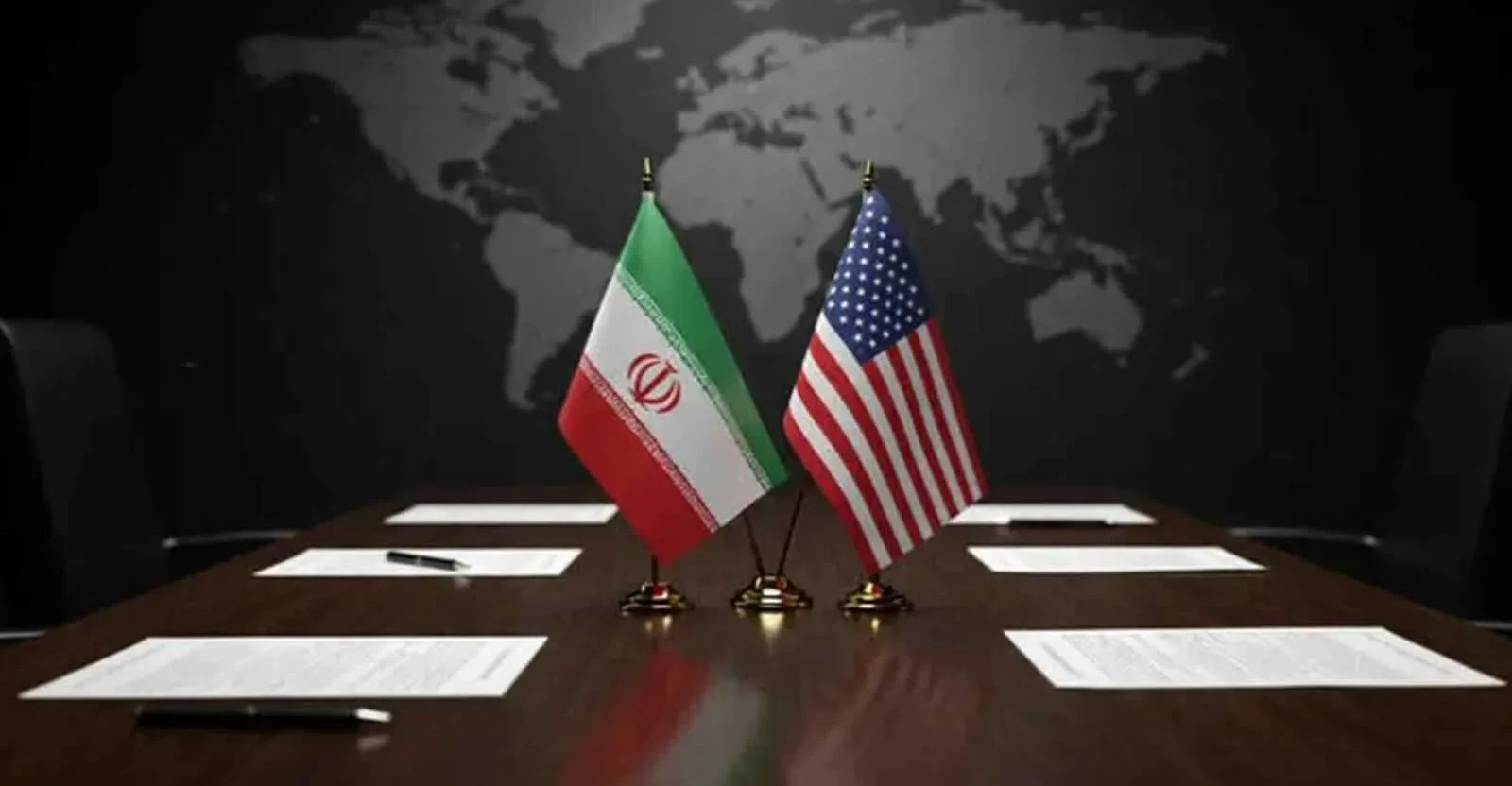
Read moreIran has agreed to dilute its stockpile of enriched uranium as part of an interim nuclear agreement with the United States, marking what senior U.S. officials described as a major breakthrough in efforts to curb Tehran’s nuclear programme while opening the door to broader economic normalization.
Senior administration officials on Friday released what they said was the text of the preliminary accord, revealing new details after days of uncertainty surrounding the agreement announced by President Donald Trump earlier this week.
According to U.S. officials, the deal commits Iran to discussing a mechanism for addressing its enriched uranium reserves, which Washington has long argued could be used to develop nuclear weapons. The agreement states that the minimum approach would involve "down-blending on site under the supervision of the International Atomic Energy Agency (IAEA)."
Down-blending is a process in which enriched uranium is mixed with depleted uranium, reducing its enrichment level and making it unsuitable for weapons use.
"The fact that they're conceding to that is a major, major win for the United States of America," a senior U.S. official told reporters during a conference call.
The officials said the agreement effectively commits Iran to eliminating its current stockpile of highly enriched uranium through internationally monitored procedures.
The interim arrangement also contains broader economic and regional provisions. U.S. officials said the agreement would pave the way for the reopening of the Strait of Hormuz to normal commercial traffic and permit Iranian oil exports to return to international markets under a negotiated framework.
In addition, Washington and its allies are expected to begin discussions on a proposed $300 billion reconstruction and development fund aimed at supporting Iran's economic recovery should a comprehensive agreement be reached.
The accord establishes a 60-day negotiating period during which both sides will seek to finalize a permanent agreement. Failure to secure a final settlement could trigger a return to heightened tensions.
President Trump has previously warned that military action remains an option if Tehran refuses to accept the terms of a comprehensive accord.
The uranium issue remains one of the most sensitive components of the negotiations. Western governments have repeatedly expressed concern over Iran's growing stockpiles of enriched uranium, while Tehran has maintained that its nuclear programme is intended solely for civilian purposes.
Markets are likely to focus on the potential implications for global energy supplies. Any easing of restrictions on Iranian oil exports could add significant volumes of crude to international markets, while reduced tensions around the Strait of Hormuz could lower the geopolitical risk premium that has supported oil prices in recent months.
The interim agreement now shifts attention to the next phase of negotiations, where diplomats will attempt to convert the outline deal into a binding long-term framework capable of resolving one of the world's most persistent geopolitical disputes.
Here we are to serve you with news right now. It does not cost much, but worth your attention.
Choose to support open, independent, quality journalism and subscribe on a monthly basis.
By subscribing to our online newspaper, you can have full digital access to all news, analysis, and much more.
You can also follow AzerNEWS on Twitter @AzerNewsAz or Facebook @AzerNewsNewspaper
Thank you!