
Archaeological Summer School launched at Shamkir Archaeological Expedition [PHOTOS]
![Archaeological Summer School launched at Shamkir Archaeological Expedition [PHOTOS]](https://www.azernews.az/media/2026/08/07/archeology8.jpg)

Laman Ismayilova
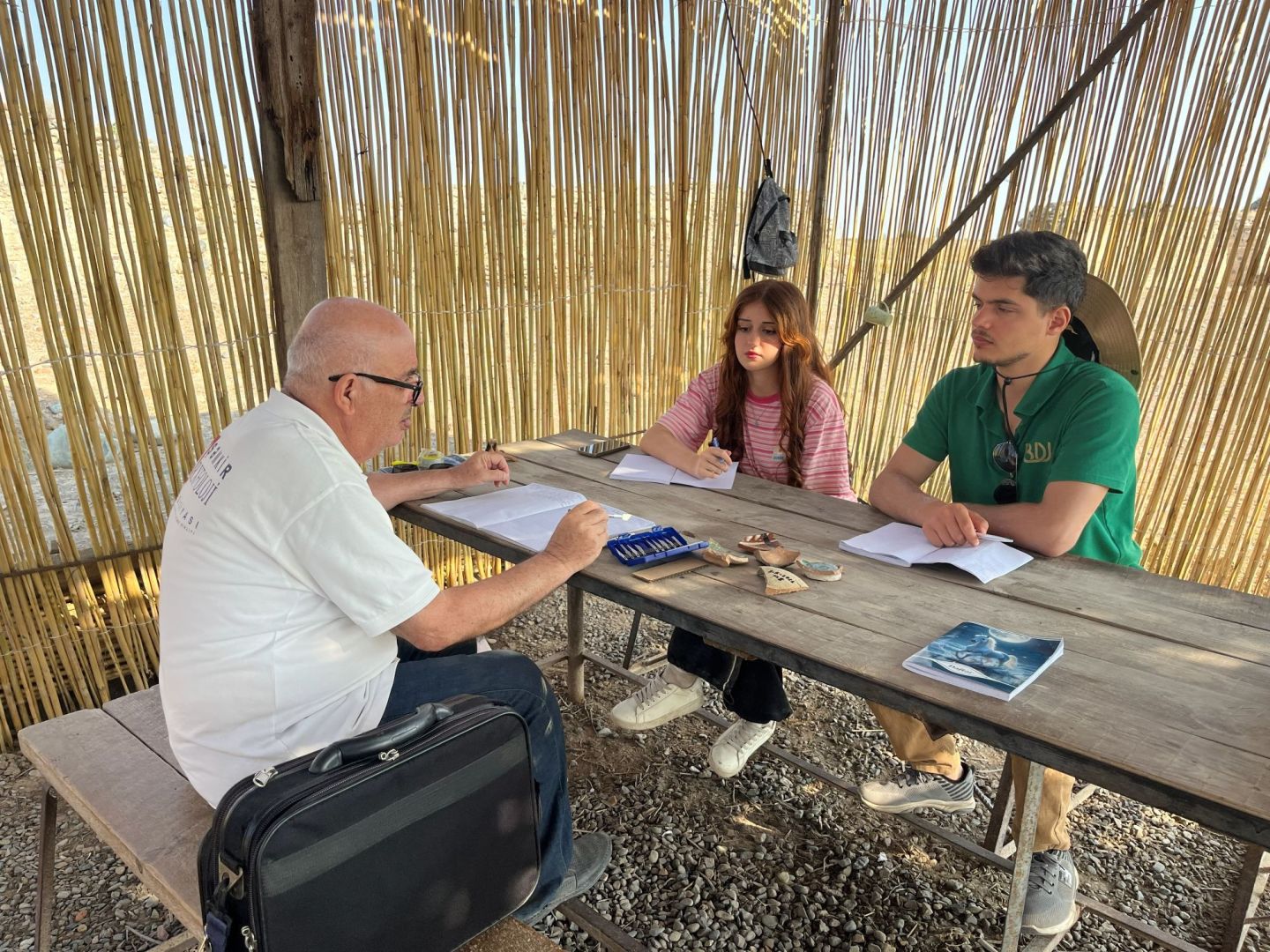
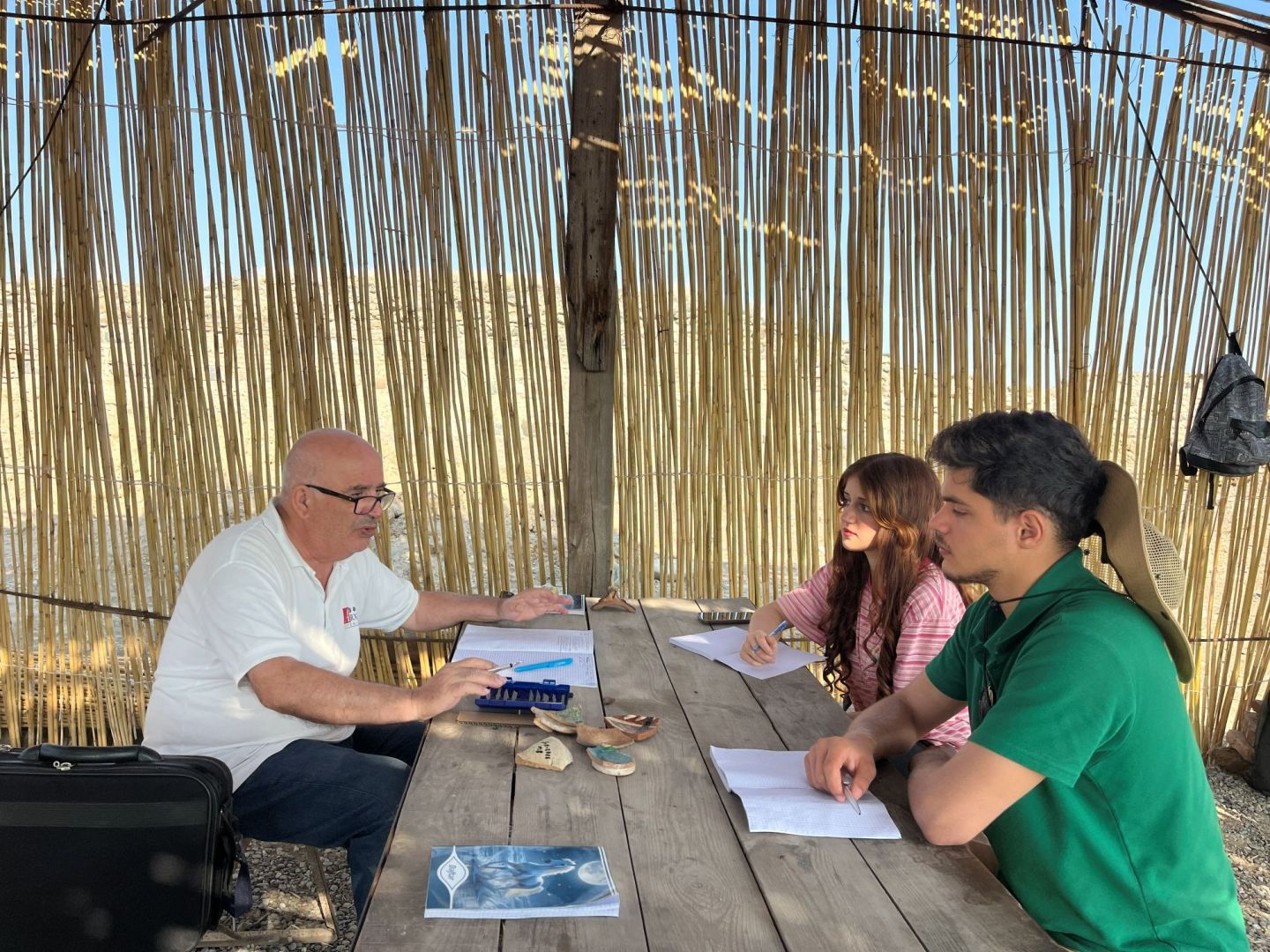
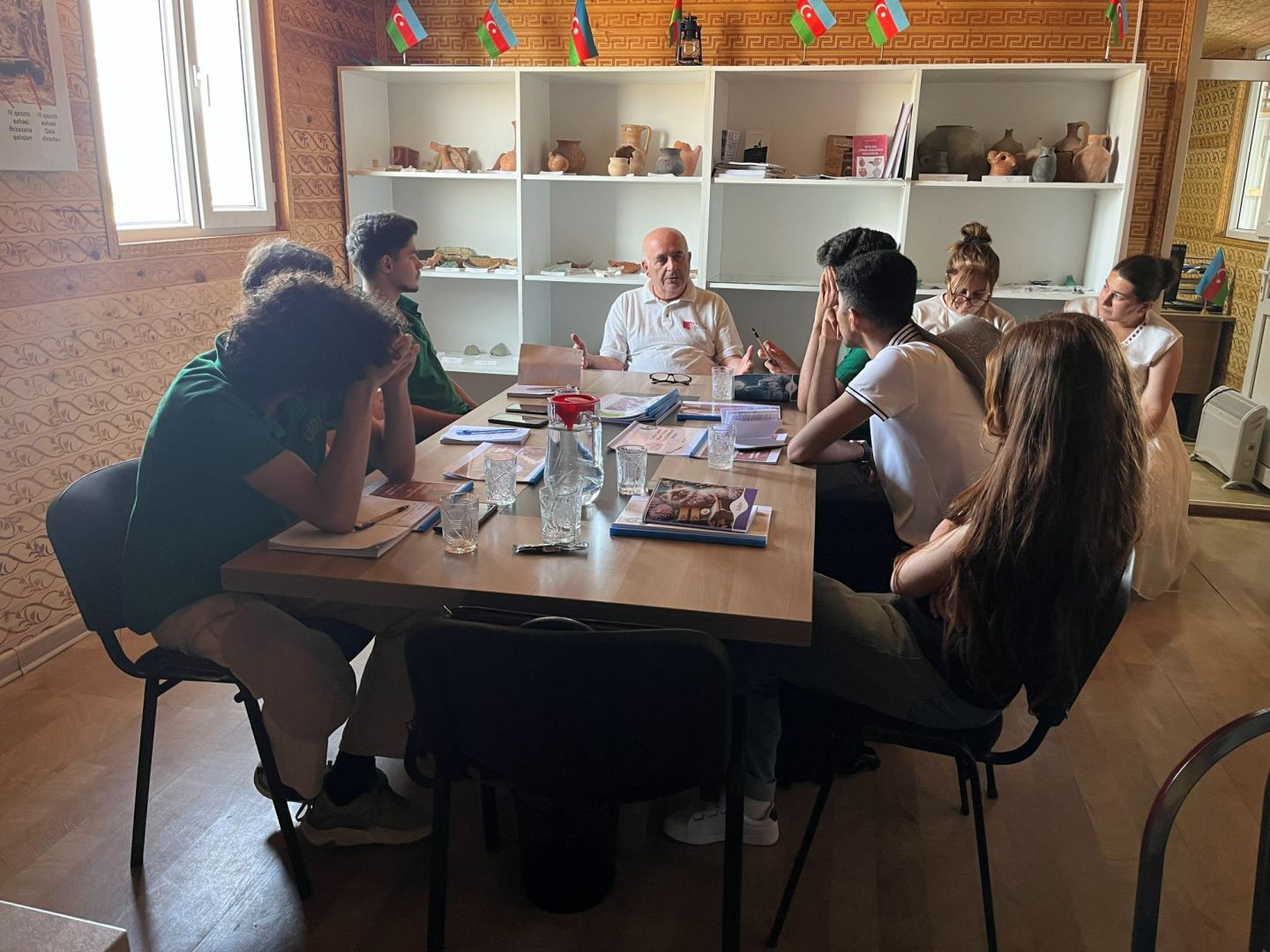
Read moreAs part of the cooperation between the Institute of Archaeology and Anthropology of the Azerbaijan National Academy of Sciences (ANAS) and Baku State University (BSU), an Archaeological Summer School is being held for BSU History students at the Shamkir Archaeological Expedition, located within the "Ancient City of Shamkir" State Historical and Cultural Reserve, AzerNEWS reports citing the Azerbaijan National Academy of Sciences.
The main purpose of the Summer School is to deepen students' theoretical knowledge of archaeology and past societies, provide them with direct participation in archaeological excavations, and develop their research skills. The Archaeological Summer School offers students the opportunity to study the past, engage directly with examples of cultural heritage dating back hundreds and thousands of years, become members of a research team, and participate in the discovery of ancient artifacts and the scientific investigation of historical evidence.
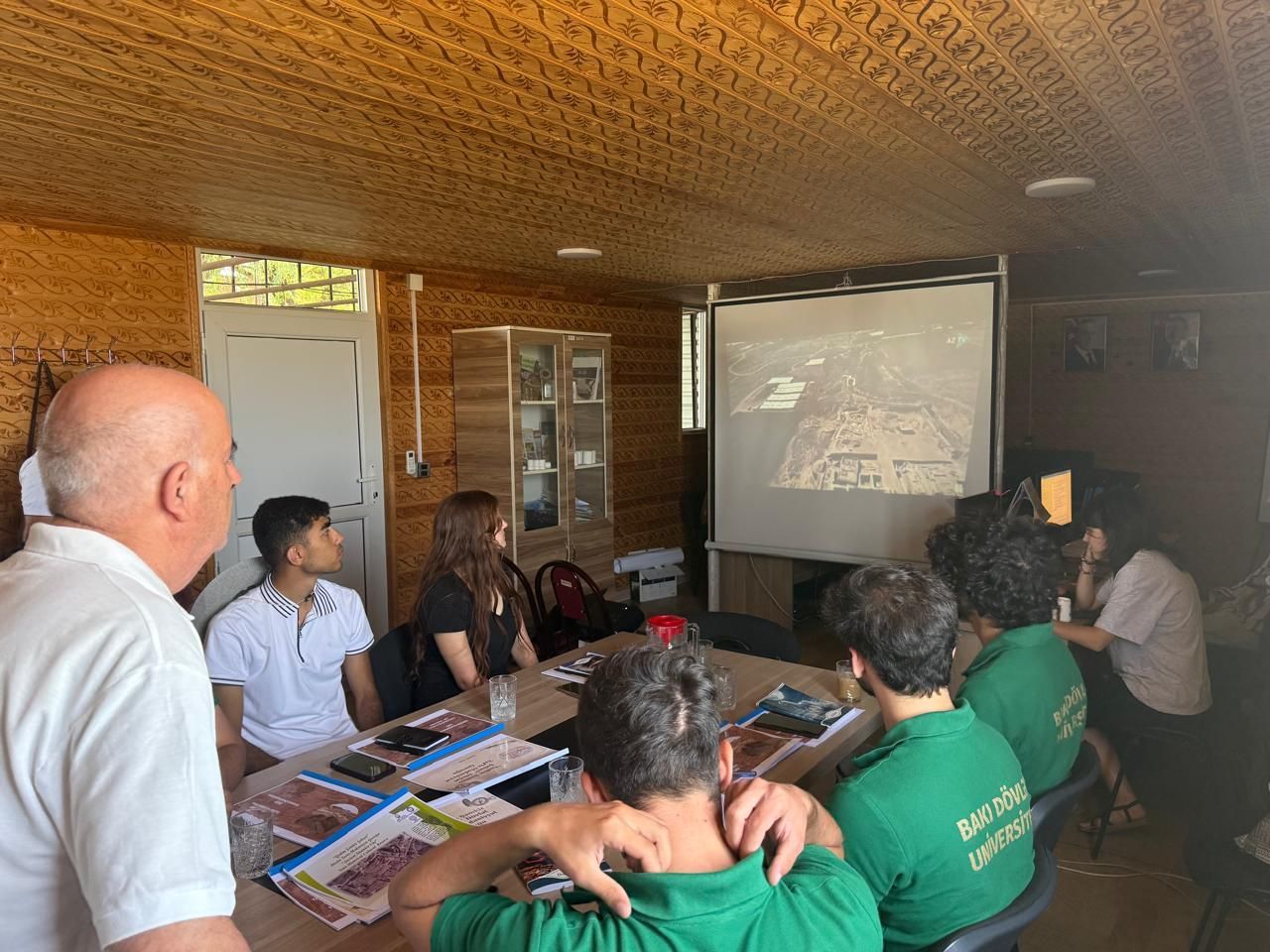
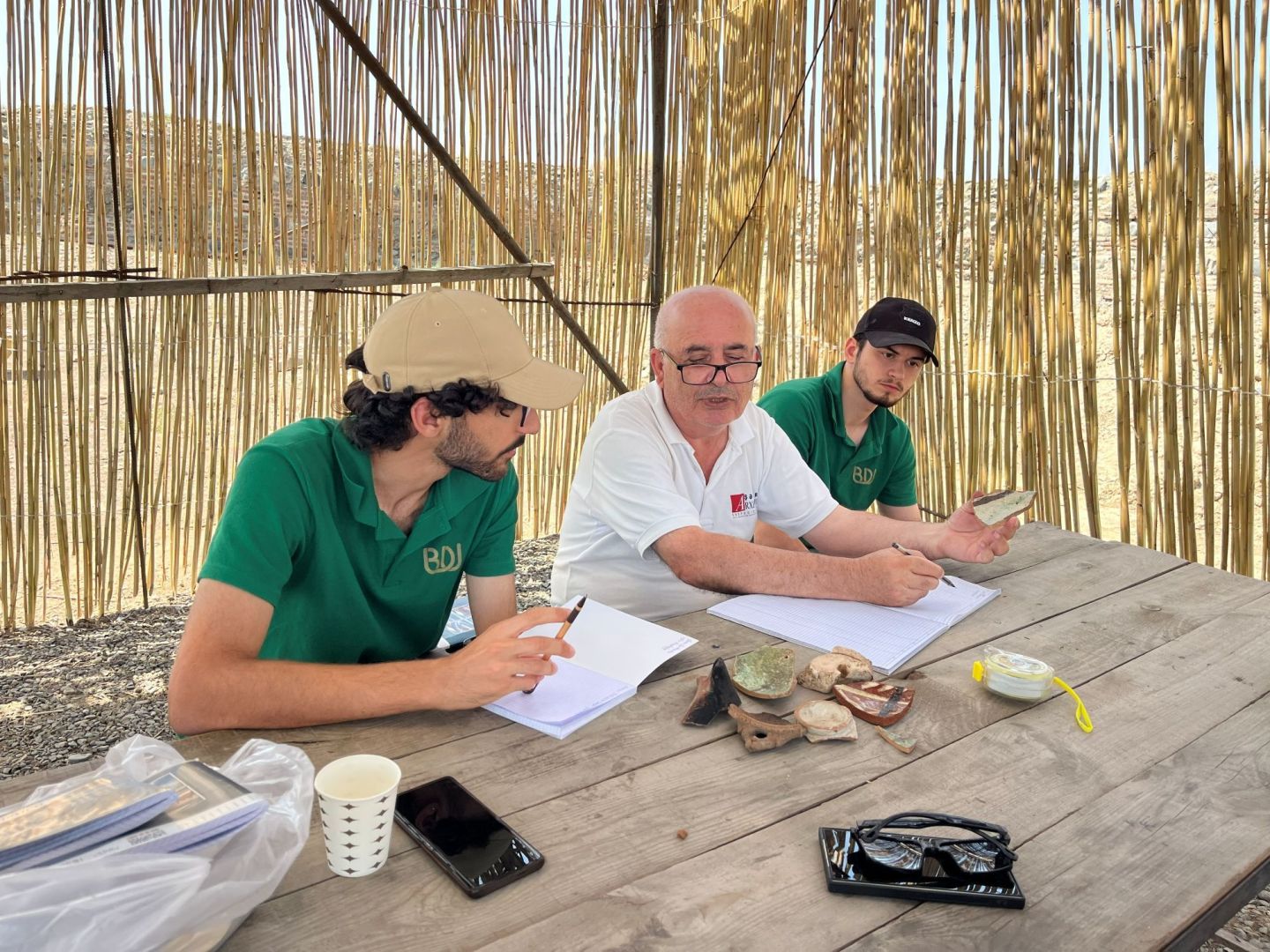
The program consists of theoretical lectures and practical training sessions. The theoretical component covers the history and archaeological significance of the area under investigation; cultural layers and stratigraphy; the archaeological tools used in excavations and the characteristics of their use; the dating of archaeological artifacts; digital archaeology; and the preparation of archaeological field documentation.
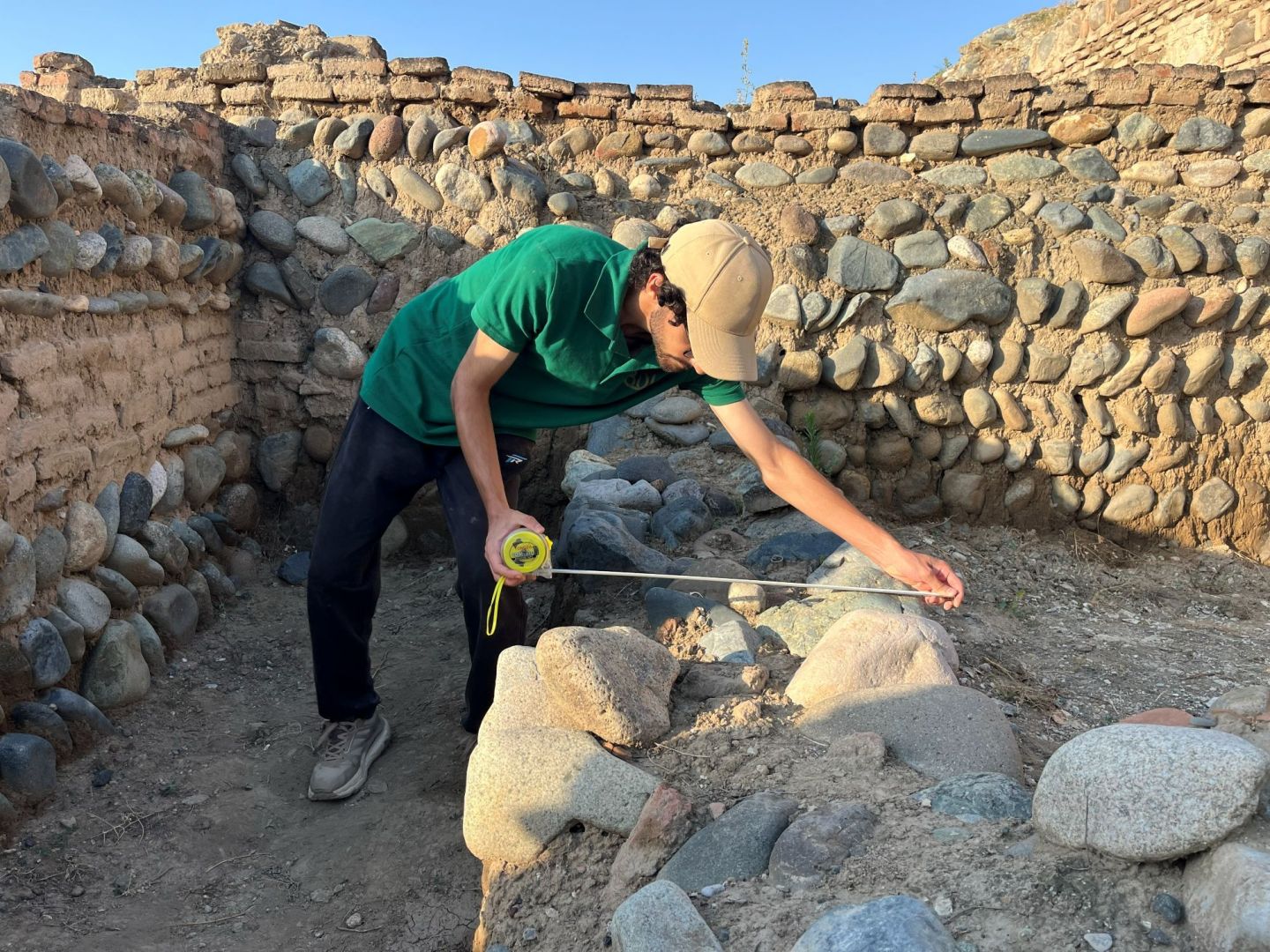
Alongside the theoretical instruction, students participate in practical excavations under the supervision of experienced archaeologists. During the initial stage of the practical training, they learn how to select and prepare an excavation site, establish a coordinate grid, mark the excavation area, determine a benchmark (reference point), clean the ground surface, and remove vegetation.
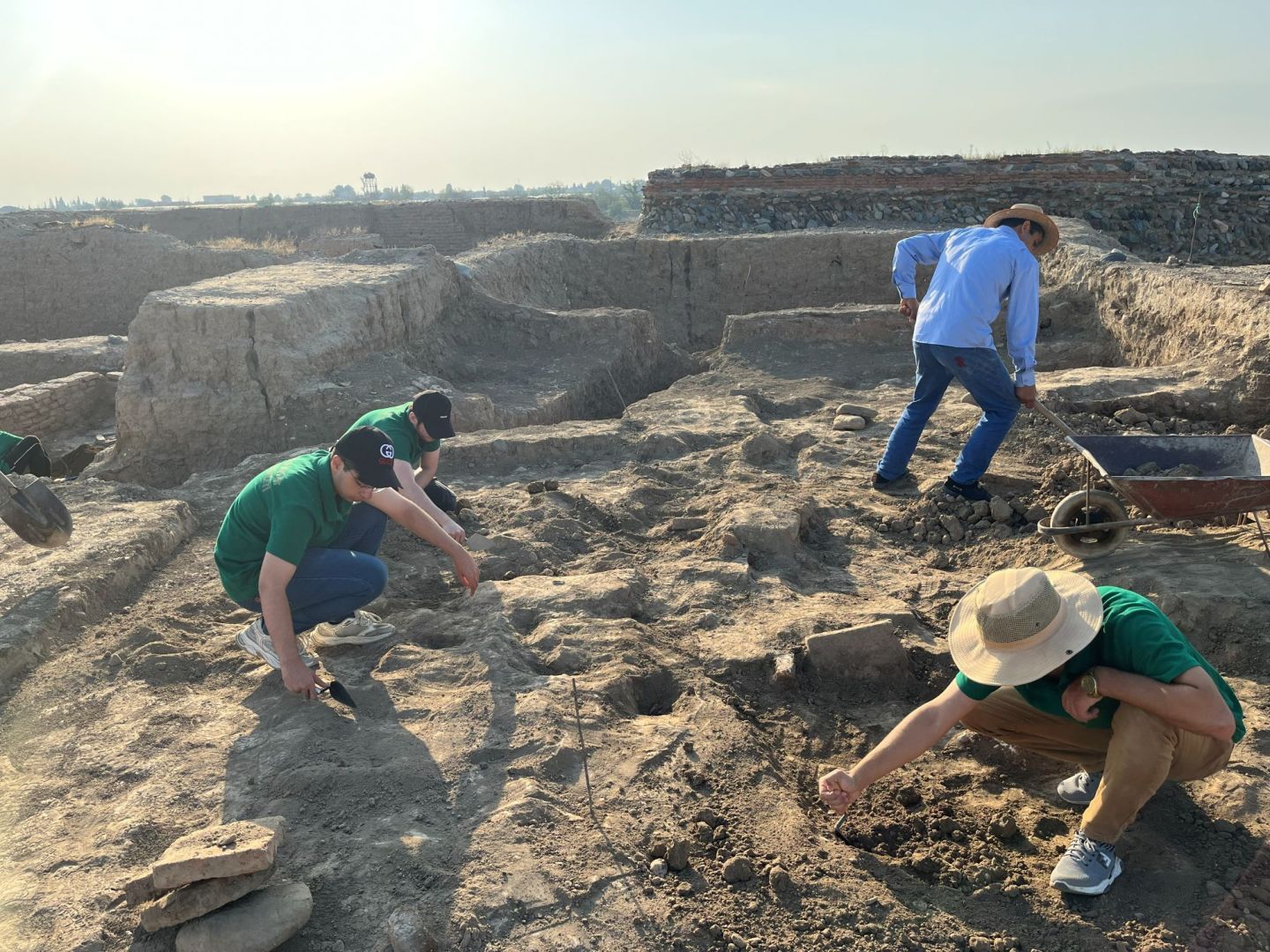
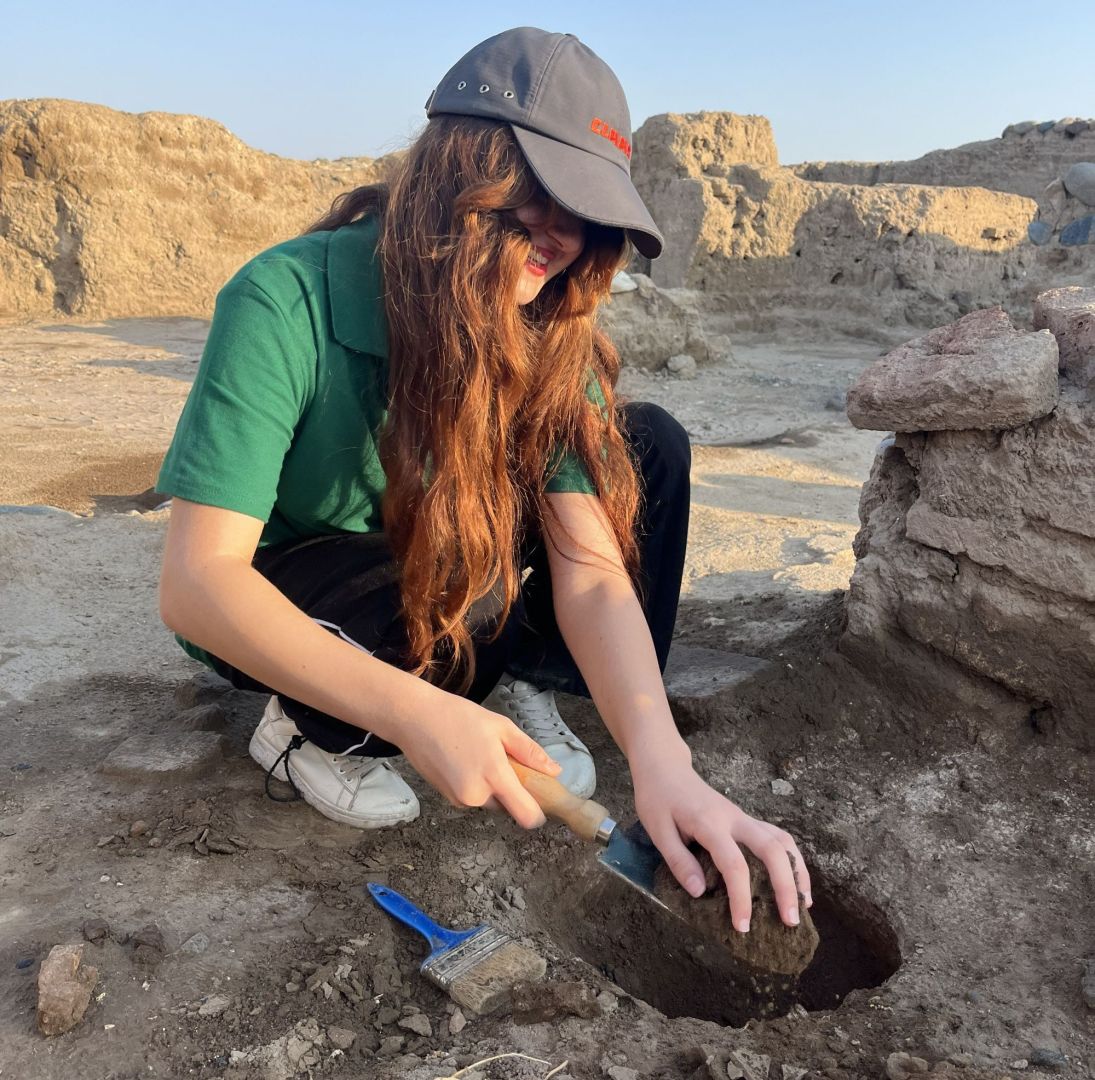
The main component of the practical training is the archaeological excavation itself. Under the supervision of archaeologists, students investigate cultural layers using shovels, trowels, brushes, and other necessary tools, clean exposed architectural remains, and recover discovered artifacts in accordance with established archaeological procedures.
During the training, students are also instructed in preparing written descriptions of architectural remains, producing plans and technical drawings, carrying out photographic documentation, and recording the discovery context of artifacts through written, graphic, and visual documentation.
The program also develops practical skills in identifying and recording the stratigraphy of cultural layers, preparing profiles and schematic drawings, documenting archaeological materials under field conditions, carrying out the initial cleaning, conservation, and classification of finds.
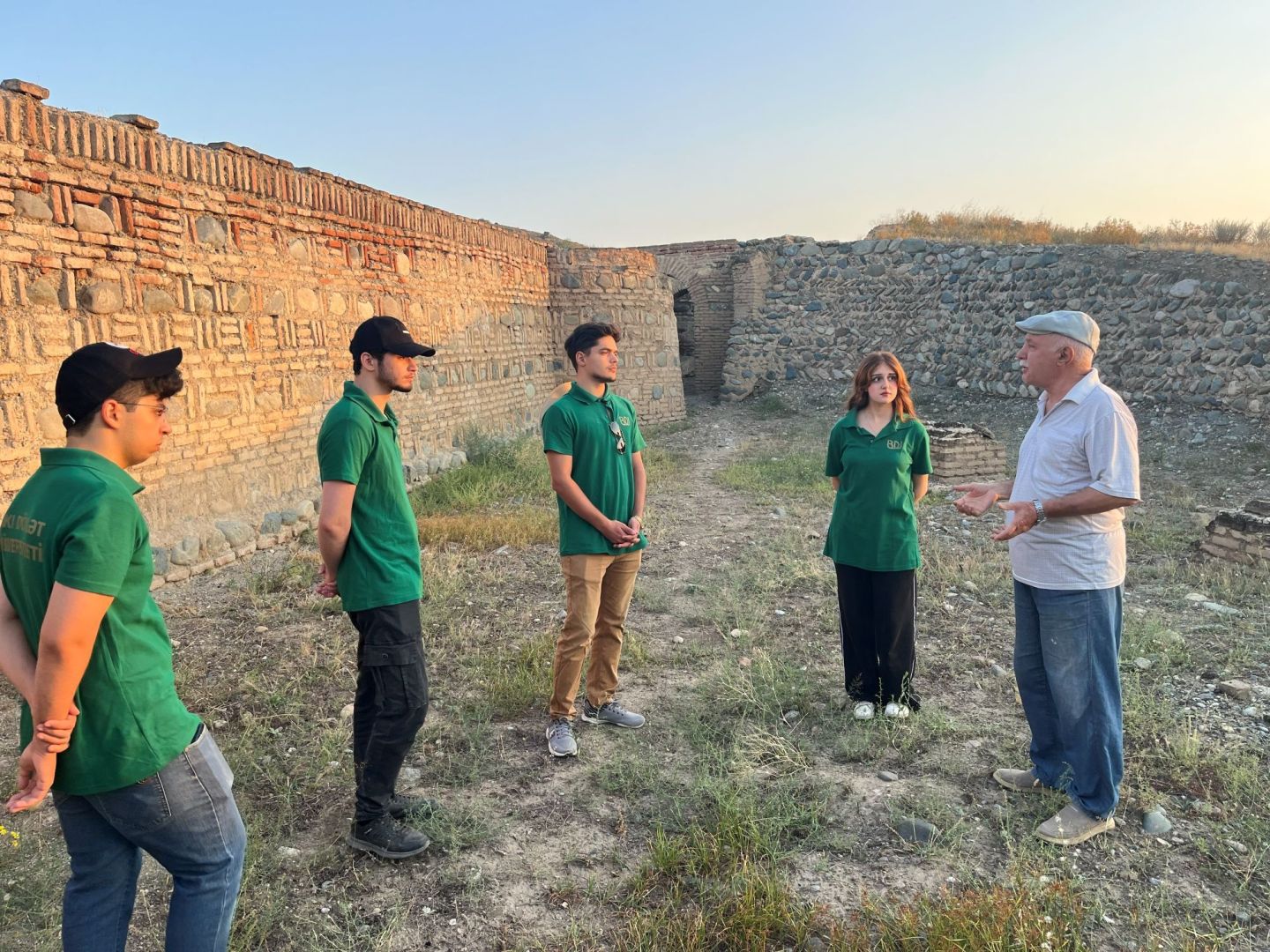
In addition to the main excavation and training activities, the Summer School program includes excursions to other historical and archaeological monuments and museums in the Shamkir region. These visits enable students to gain a deeper understanding of the historical and cultural context of the ongoing research and to become familiar with the region's characteristic archaeological monuments and artifact collections.
The Archaeological Summer School plays an important role in reinforcing the theoretical knowledge of Baku State University students through practical experience and in developing their professional skills in the research, preservation, and promotion of archaeological heritage.
At the citadel (Narinkala) section of the archaeological site, students participate in the investigation of a monumental building dating to the 9th–10th centuries not merely as observers but as members of the research team under the supervision of experienced archaeologists. They gain their first practical experience and initial professional skills by learning about the tools used during excavations and the methods of their application. They also become familiar with the basic procedures involved in selecting and preparing an excavation site, including establishing the excavation grid, marking the excavation area, and determining the benchmark. Students learn how to clean tandirs (traditional clay ovens) and hearths, identify, clean, and recover artifacts and osteological remains from cultural layers, and record these discoveries using standard archaeological methods. In addition, experienced archaeologists introduce students to the procedures for documenting artifacts uncovered during archaeological excavations.
As part of the Summer Archaeological School, students also participate in theoretical training in field archaeology. On August 3, they attended lectures on the place of archaeology within the system of sciences, the different types of archaeological monuments and their significance for the study of past societies, as well as modern technologies applied in archaeological exploration and survey. On August 4, they received instruction on excavation methods for Stone Age camps, village-type settlements, and ancient urban sites; cultural layers and stratigraphy; open and closed archaeological complexes; archaeological reconstruction; and other related topics.
Here we are to serve you with news right now. It does not cost much, but worth your attention.
Choose to support open, independent, quality journalism and subscribe on a monthly basis.
By subscribing to our online newspaper, you can have full digital access to all news, analysis, and much more.
You can also follow AzerNEWS on Twitter @AzerNewsAz or Facebook @AzerNewsNewspaper
Thank you!