
Baku Art Weekend to explore biodiversity, environmental responsibility and cultural memory [PHOTOS]

AzerNEWS Staff
Read moreBaku will host the second edition of the “Fly to Baku. Art Weekend. Sense the Future NOW” festival from October 30 to November 1. The programme will bring together various forms of contemporary art, including performances, immersive experiences, and interactive projects designed to engage audiences in the artistic process.
The festival will focus on the relationship between humans and nature, environmental responsibility, memory, inclusivity, and the legacy that must be passed on to future generations.
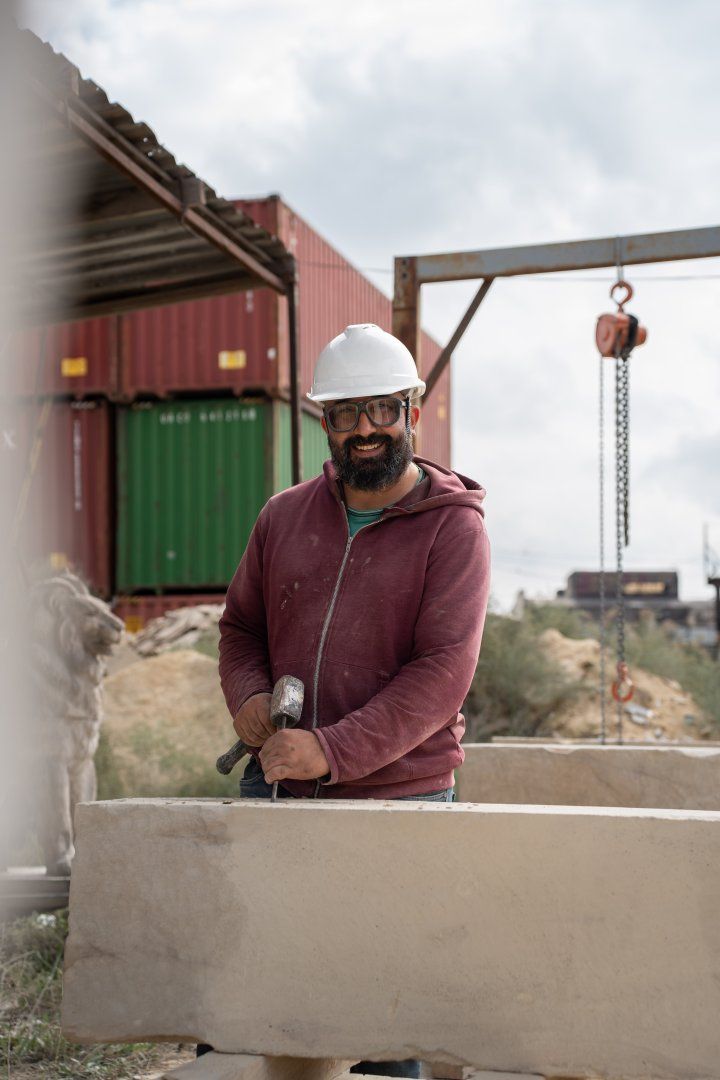
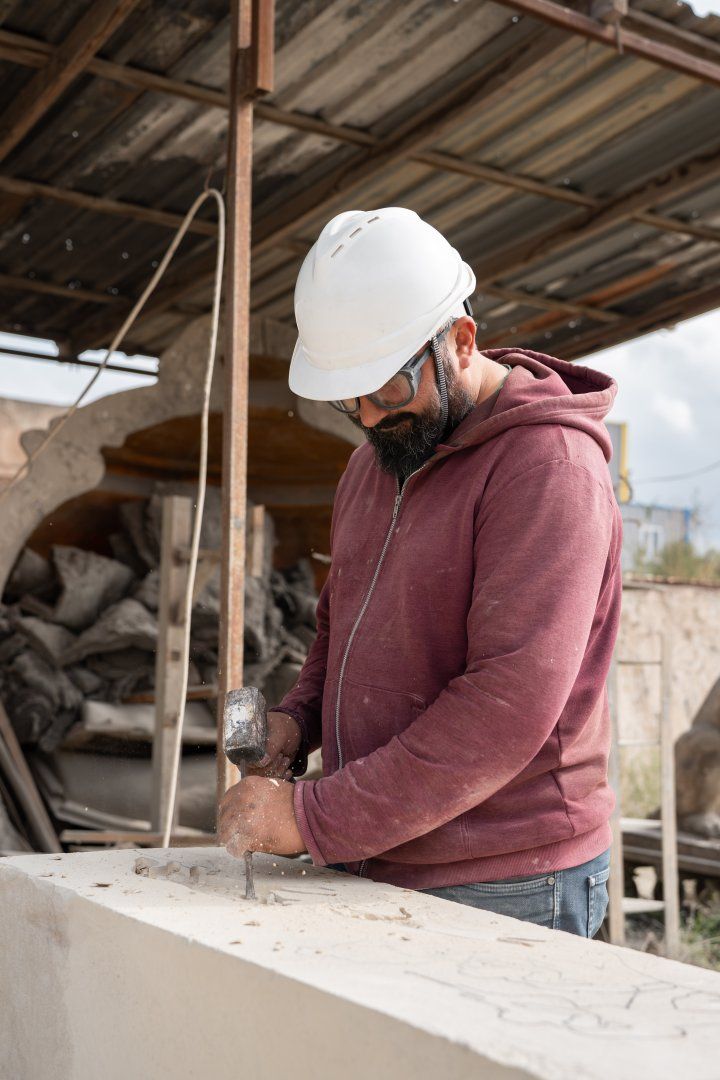
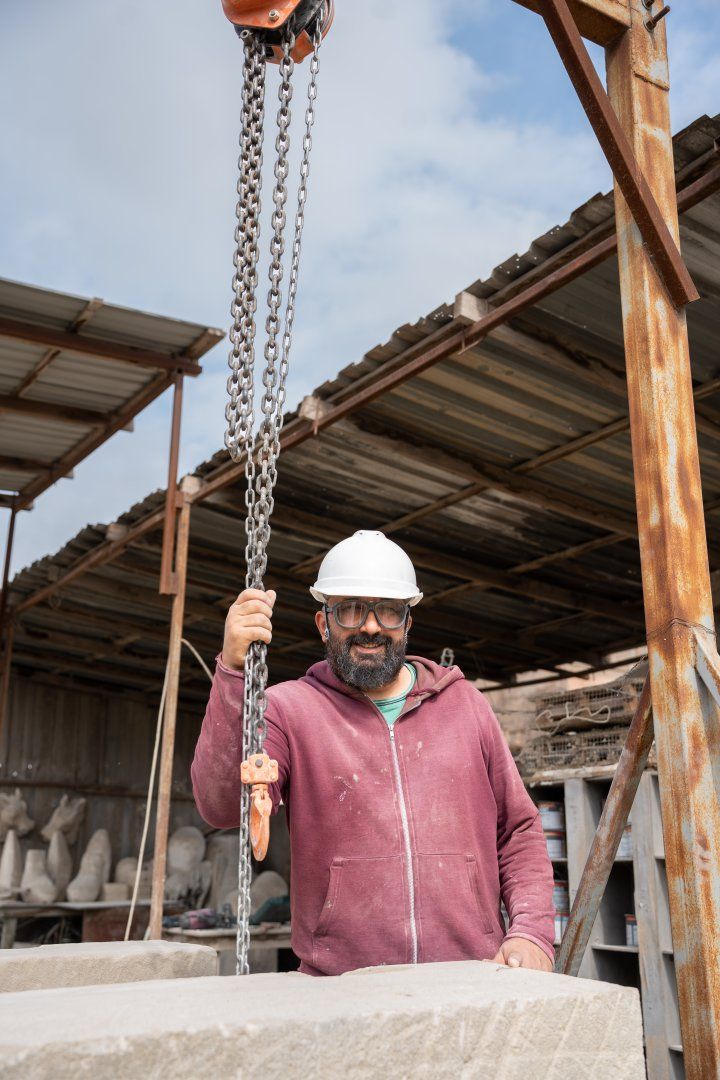
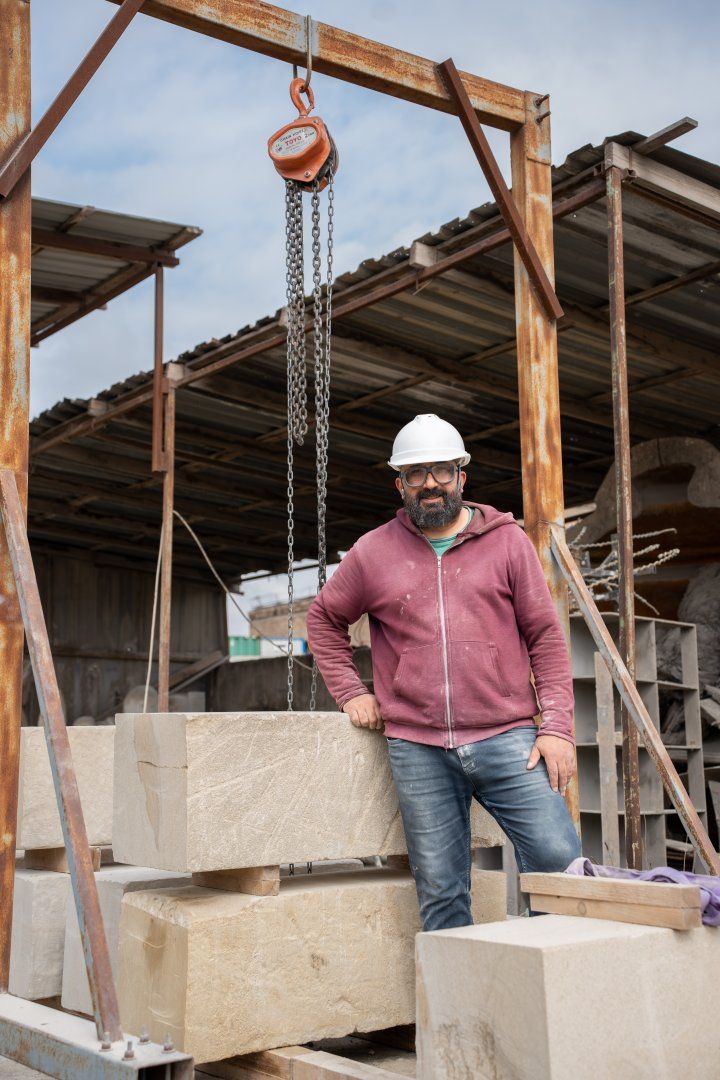
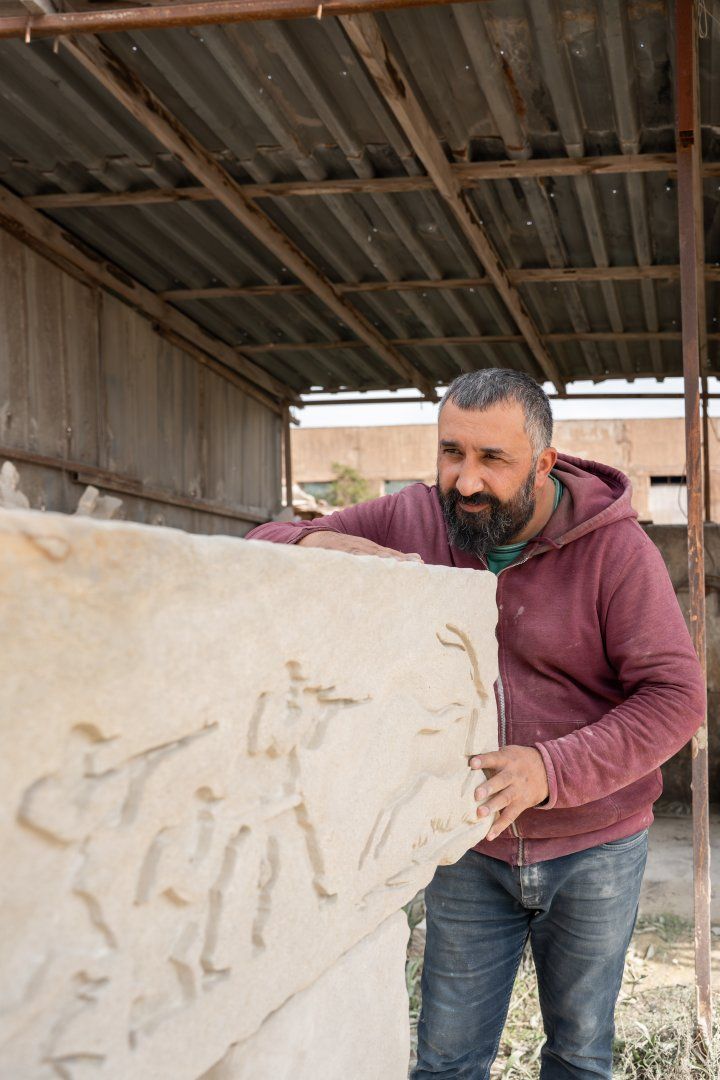
At the Stone Chronicle Museum, visitors will be able to see Orkhan Nabizadeh’s work “Ancient Stone, Contemporary Memory,” inspired by the rock art of Gobustan. Using a contemporary sculptural language, the artist explores five symbols of Azerbaijan’s natural heritage: the Caucasian leopard, goitered gazelle, grey wolf, brown bear, and imperial eagle. These images serve as symbols of contemporary memory, encouraging reflection on the natural world that will be left to future generations.
In an interview with Trend Life, Nabizadeh discussed the concept behind his project, the connection between ancient rock carvings and contemporary environmental challenges, and the role of art in raising awareness about biodiversity conservation.
The Concept Behind ‘Ancient Stone, Contemporary Memory’
Question: What is the central idea behind your work “Ancient Stone, Contemporary Memory”?
The central idea is to bring together the memory preserved in stone and the events and challenges of the modern world. Stone itself is a carrier of information and a source of memory. My aim is to renew this memory, preserve within it the concerns of the 21st century, and convey a message to future generations.
Question: How did the rock art of Gobustan inspire you to create this work?
The rock carvings of Gobustan have survived to the present day, reflecting the lifestyles, worldviews, and concerns of the people who created them.
The main purpose of my approach is to highlight the processes that lead to the destruction of biodiversity in our region and preserve in the memory of stone the problems that modern humans may create for the future. In this way, I encourage viewers to demonstrate greater sensitivity and responsibility toward wildlife.
Question: Why did you choose these five animals in particular?
The choice of these five animals was deliberate. Azerbaijan’s so-called “Big Five” brings together some of the country’s most recognizable representatives of wildlife, including species threatened with extinction. Through these images, I want to draw attention to the need to protect them.
Question: What connection do you see between ancient rock art and modern environmental issues?
Today, we primarily view ancient rock carvings as works of art. However, they originated in the everyday experiences, needs, and beliefs of people of their time and were recorded on stone.
Ancient humans hunted to obtain food and survive. Modern humans face a different responsibility: protecting these animals and maintaining ecological balance.
In this respect, my works share both similarities and differences with ancient rock carvings. The images themselves may appear similar, but the concerns and challenges behind them are entirely different. In the hunting scenes I have created, this distinction is emphasized through the contemporary appearance of the human figures, the hunting equipment they use, and my professional artistic approach.
Art as a Call to Protect Endangered Wildlife
Question: What message do you want to convey to viewers through these works?
The modern hunting equipment, clothing, and other objects, together with the hunting scenes, raise questions about protecting endangered animals. These images highlight the unacceptability of cruel treatment of nature by humans.
My aim is to encourage modern people to leave an image in the memory of stone of a civilized human being who protects nature and acts responsibly, rather than one who destroys it.
Question: What responsibility do you believe future generations have for protecting nature?
I believe today's young people will play an important role in preserving a healthy natural environment and fostering greater environmental awareness among future generations.
Addressing existing problems through the language of art demonstrates that these issues are also at the centre of attention of the contemporary artistic community. It also shows that modern Azerbaijanis care about the natural environment of their country.
I believe that efforts to protect nature will contribute to creating a healthier and richer ecosystem for future generations.
Here we are to serve you with news right now. It does not cost much, but worth your attention.
Choose to support open, independent, quality journalism and subscribe on a monthly basis.
By subscribing to our online newspaper, you can have full digital access to all news, analysis, and much more.
You can also follow AzerNEWS on Twitter @AzerNewsAz or Facebook @AzerNewsNewspaper
Thank you!