
NASA's Roman Space Telescope set to explore hidden universe

Laman Ismayilova
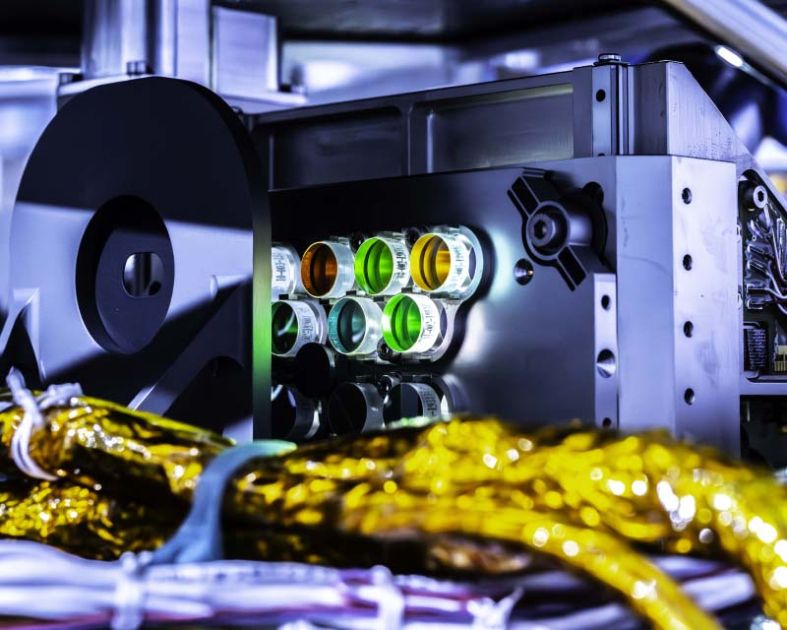
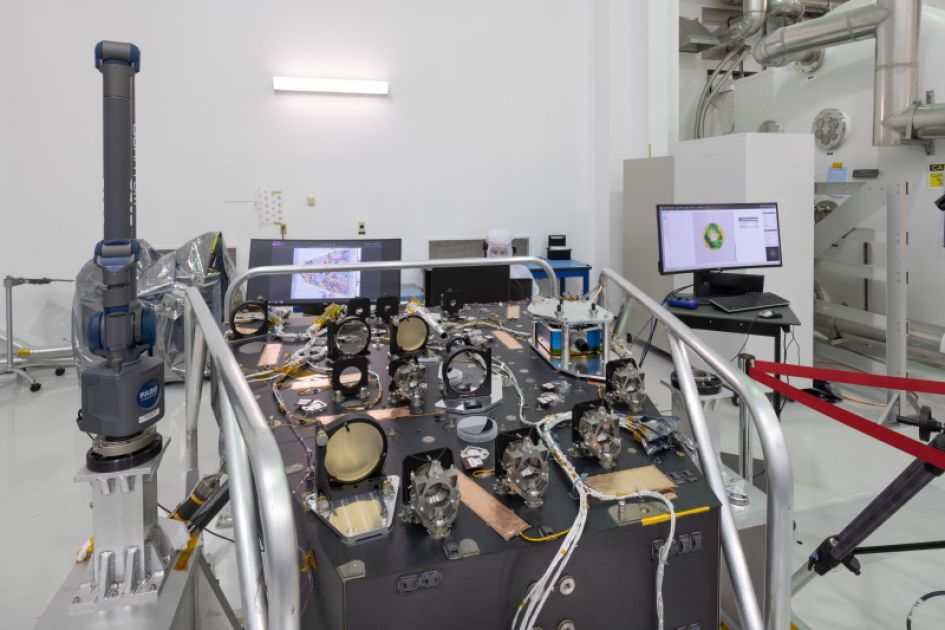
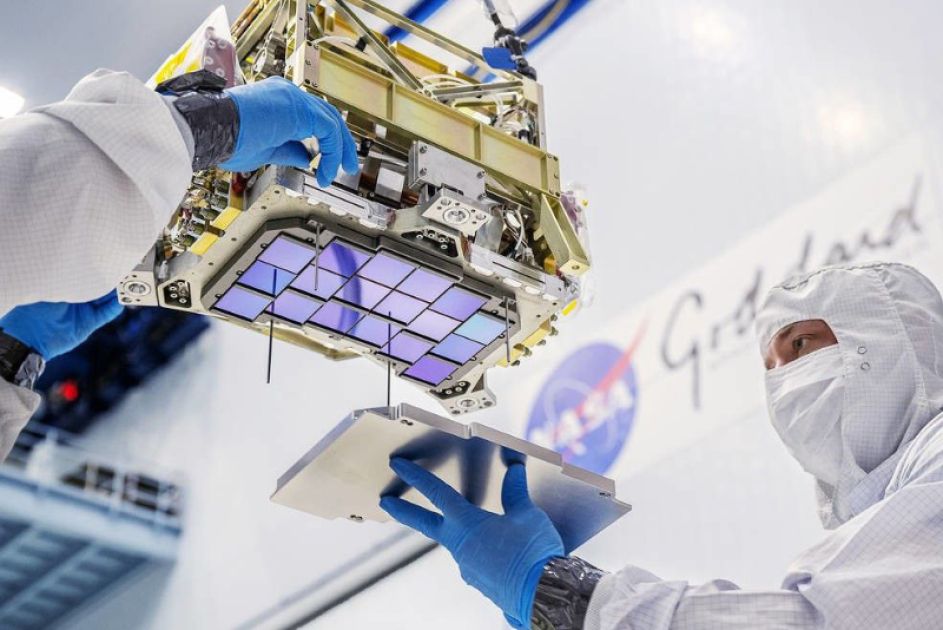
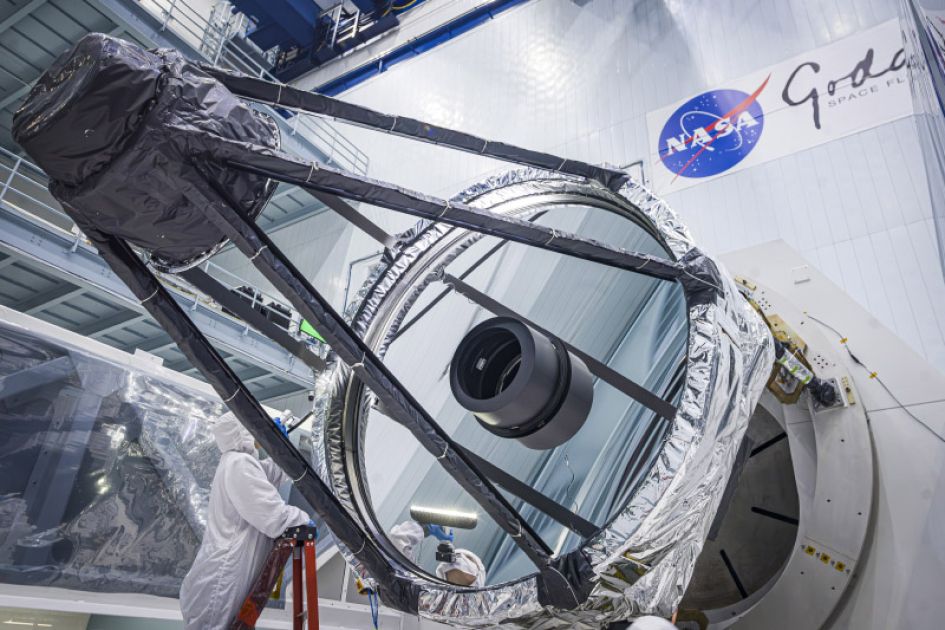
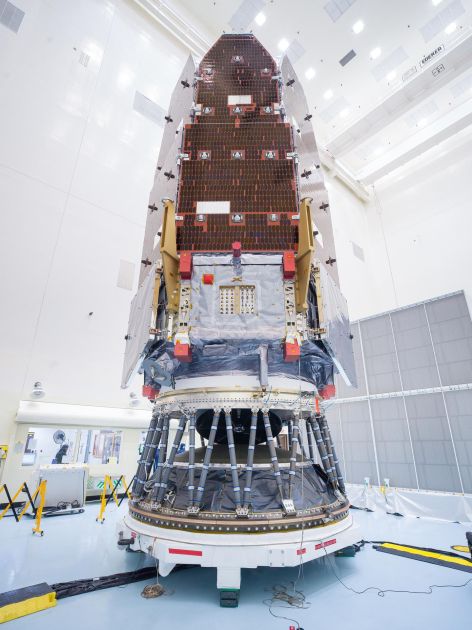
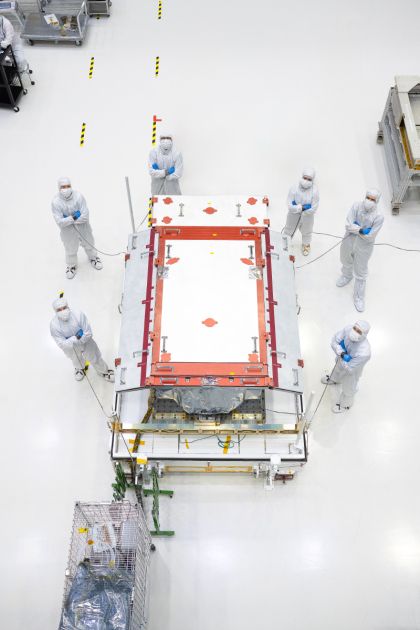
Read moreNASA's Nancy Grace Roman Space Telescope is set to launch on August 30, opening a new chapter in the study of exoplanets, dark energy and the large-scale structure of the universe.
The observatory is designed to investigate some of the biggest questions in modern astronomy, including why the universe's expansion is accelerating and how galaxies and planetary systems have evolved. Its wide field of view will allow scientists to survey huge areas of the sky far more efficiently than the Hubble Space Telescope. NASA says Roman's field of view will be at least 100 times larger than Hubble's, allowing it to capture vast panoramic views of the cosmos.
One of Roman's main goals will be to study dark energy, the mysterious component believed to be responsible for the accelerating expansion of the universe. By mapping billions of galaxies and studying how their distribution changes across cosmic history, scientists hope to gain a better understanding of how dark energy has influenced the universe.
The telescope will also search for exoplanets. Using gravitational microlensing, Roman is expected to discover thousands of planets beyond our solar system and provide researchers with a broader picture of planetary systems in the Milky Way.
Roman will also help scientists study dark matter by mapping the distribution and evolution of galaxies. Its observations will provide information that can be used to examine weak gravitational lensing, a phenomenon in which the gravity of massive objects subtly distorts the light coming from more distant galaxies.
Another important feature of the mission is access to its data. NASA says Roman's survey data will be made publicly available without a proprietary period, allowing researchers around the world to work with the observations.
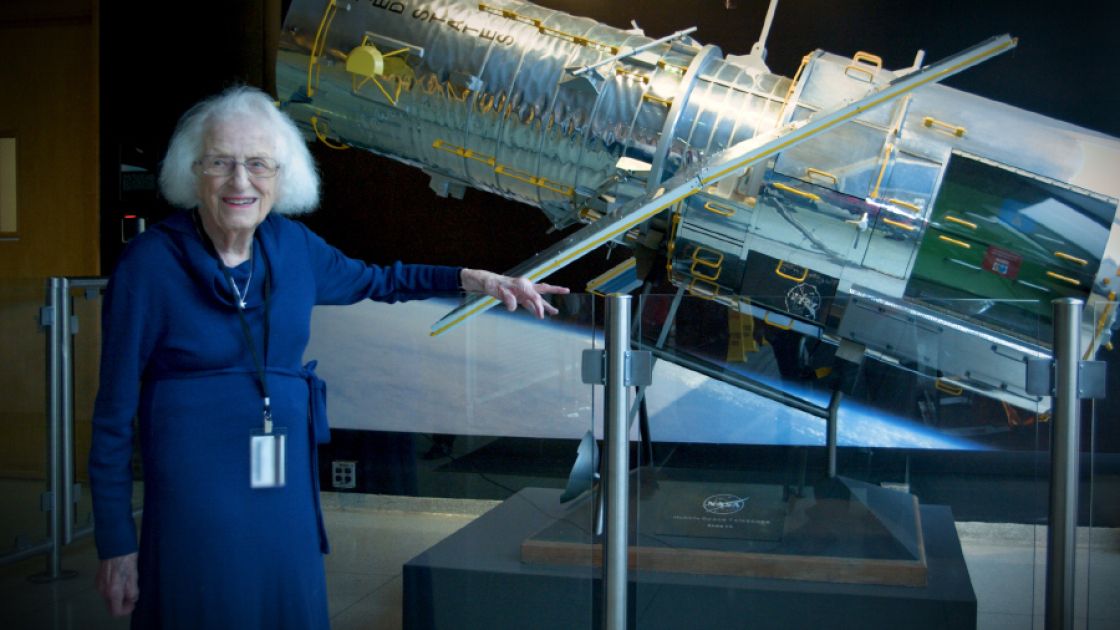
The telescope was originally proposed in 2010 as the Wide Field Infrared Survey Telescope (WFIRST). It was later renamed the Nancy Grace Roman Space Telescope in honour of Nancy Grace Roman, NASA's first chief astronomer and one of the key figures behind the development of the Hubble Space Telescope. She is widely known as the 'mother of Hubble.'
NASA currently plans to launch Roman on August 30 at 7:26 a.m. EDT (11:26 UTC) from Launch Complex 39A at Kennedy Space Center in Florida. SpaceX's Falcon Heavy will carry the telescope into space.
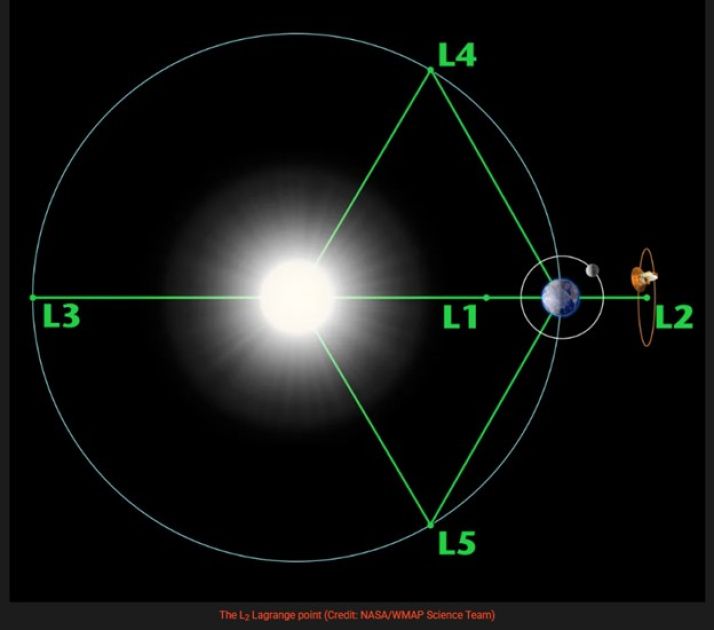
After launch, Roman will travel to the Sun-Earth L2 Lagrange point, located about 1.5 million kilometres from Earth. From this position, the telescope will have a stable and largely unobstructed view of the universe.
The mission is currently planned to operate for five years, with the possibility of an extended mission.
Its observations are expected to produce an enormous amount of data and give astronomers new opportunities to study everything from distant galaxies and black holes to planets within and beyond our galaxy.
Here we are to serve you with news right now. It does not cost much, but worth your attention.
Choose to support open, independent, quality journalism and subscribe on a monthly basis.
By subscribing to our online newspaper, you can have full digital access to all news, analysis, and much more.
You can also follow AzerNEWS on Twitter @AzerNewsAz or Facebook @AzerNewsNewspaper
Thank you!