
Fuad Ibrahimov on BIAF 2026: Baku reaffirms its historic role as crossroads of East and West [INTERVIEW]

Laman Ismayilova
Read moreThe Baku International Arts Festival (BIAF) will return to Baku from October 28 to November 8.
This year's programme will feature more than 20 events spanning theatre, music, dance and contemporary art. Participants include renowned directors and choreographers, leading theatre companies and distinguished artists from around the world.
The festival is held with the support of the Heydar Aliyev Foundation and Azerbaijan Culture Ministry.
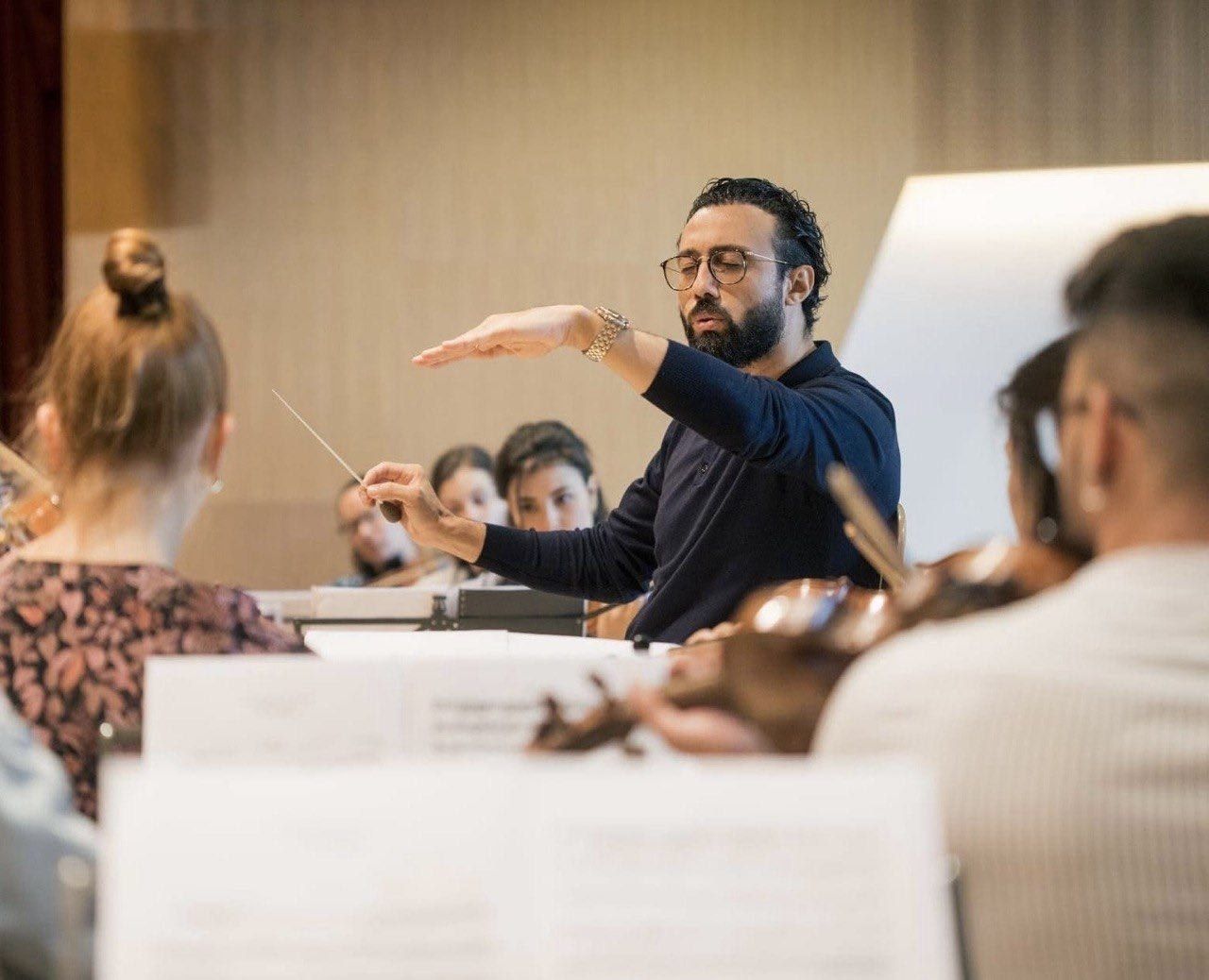
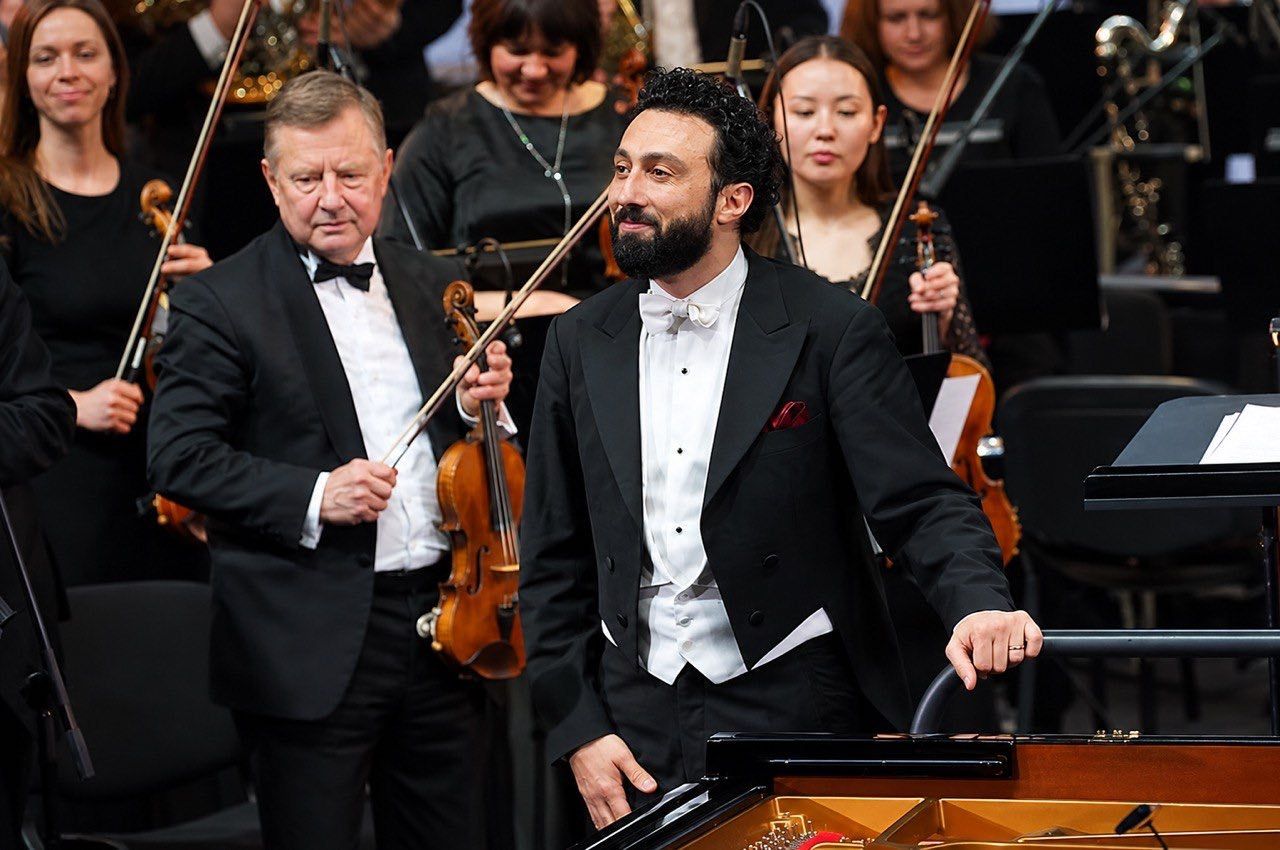
In an interview, Fuad Ibrahimov, Honored Artist of Azerbaijan, artistic director and chief conductor of the Azerbaijan State Symphony Orchestra, chief conductor of the Baku Chamber Orchestra and Neue Philharmonie München, international competition laureate and BIAF ambassador since 2025, spoke about the festival's significance for Baku's cultural life, the most anticipated events in its music programme, the relationship between classical art and contemporary trends, and prospects for international cooperation.
Q: Fuad, this year's BIAF music programme is dedicated to Dmitri Shostakovich, whose 120th anniversary is being marked around the world. Why is this composer particularly significant for the festival in Baku?
A: For Baku, Dmitri Shostakovich is much more than a great composer whose works form part of the golden treasury of world classical music. His life and creative legacy are closely connected with Azerbaijan, and his influence on the development of the national school of composition is difficult to overstate.
Historical continuity is also particularly important. The festival will open at the Muslim Magomayev Azerbaijan State Academic Philharmonic Hall, on the very stage associated with the history of Shostakovich's works being performed in Baku. This lends the event an additional dimension: we are not simply revisiting the musical heritage of the past, but continuing a living dialogue between generations of performers and listeners.
For Baku, Shostakovich's music is not some distant classical tradition. It is part of our cultural memory. His work is connected with the history of Azerbaijani music and the lives and careers of our composers and performers. Therefore, revisiting his legacy as part of BIAF is both a tribute to a great master and an opportunity to reconsider his significance for our culture.
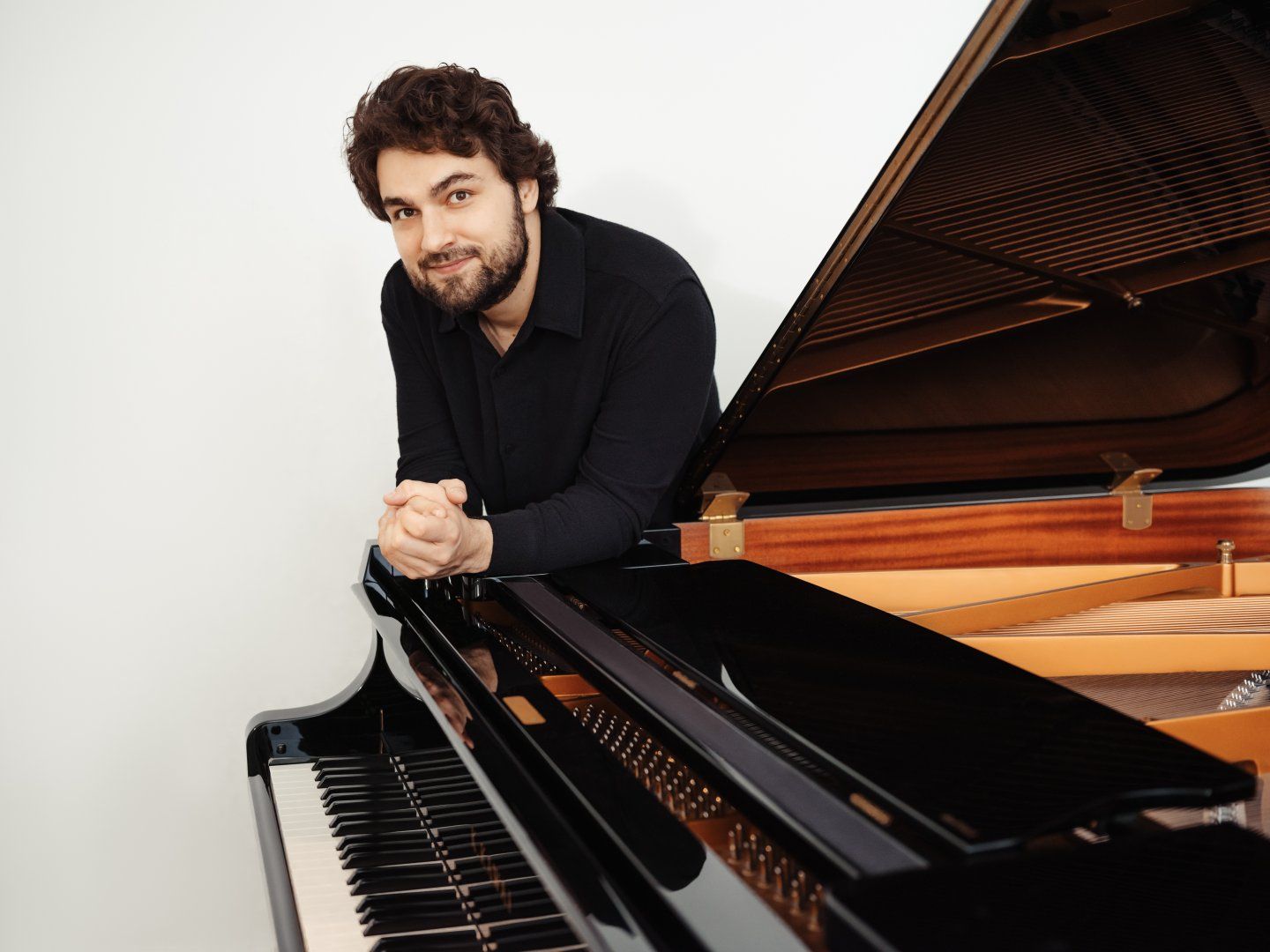
Q: The festival will open on October 28 at the Baku Philharmonic Hall. The opening concert featuring Shostakovich's works will bring together pianist Lukas Geniušas and Norwegian trumpeter Tine Thing Helseth. As a conductor, what do you think of this international pairing?
A: First and foremost, it is a meeting of two distinctive artists representing different performance traditions. Lukas Geniušas comes from a renowned musical dynasty. His grandmother, the distinguished pianist and teacher Vera Gornostayeva, studied under Heinrich Neuhaus and belonged to a circle of musicians directly connected with the era of Shostakovich. This continuity lends the performance additional historical depth.
Tine Thing Helseth, meanwhile, is known not only for her virtuoso trumpet playing but also for her desire to push the boundaries of classical performance. She combines impeccable technique with artistic freedom, which resonates with the very concept of BIAF.
Bringing together different musical schools and individual approaches under the artistic direction of Dmitry Sitkovetsky promises an exciting creative outcome. Such encounters do more than showcase the skills of individual musicians; they create a genuine dialogue between cultures. I see this as one of the greatest values of international festivals.
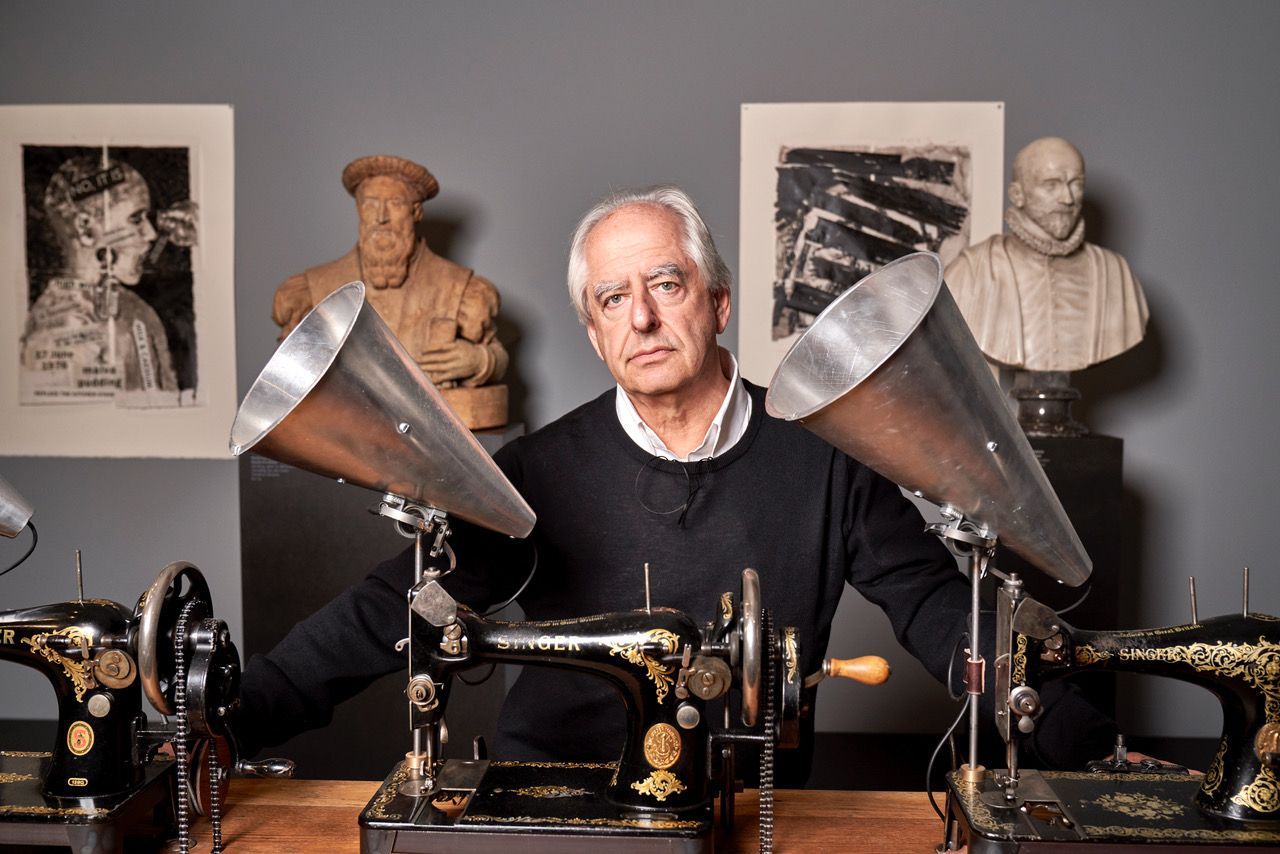
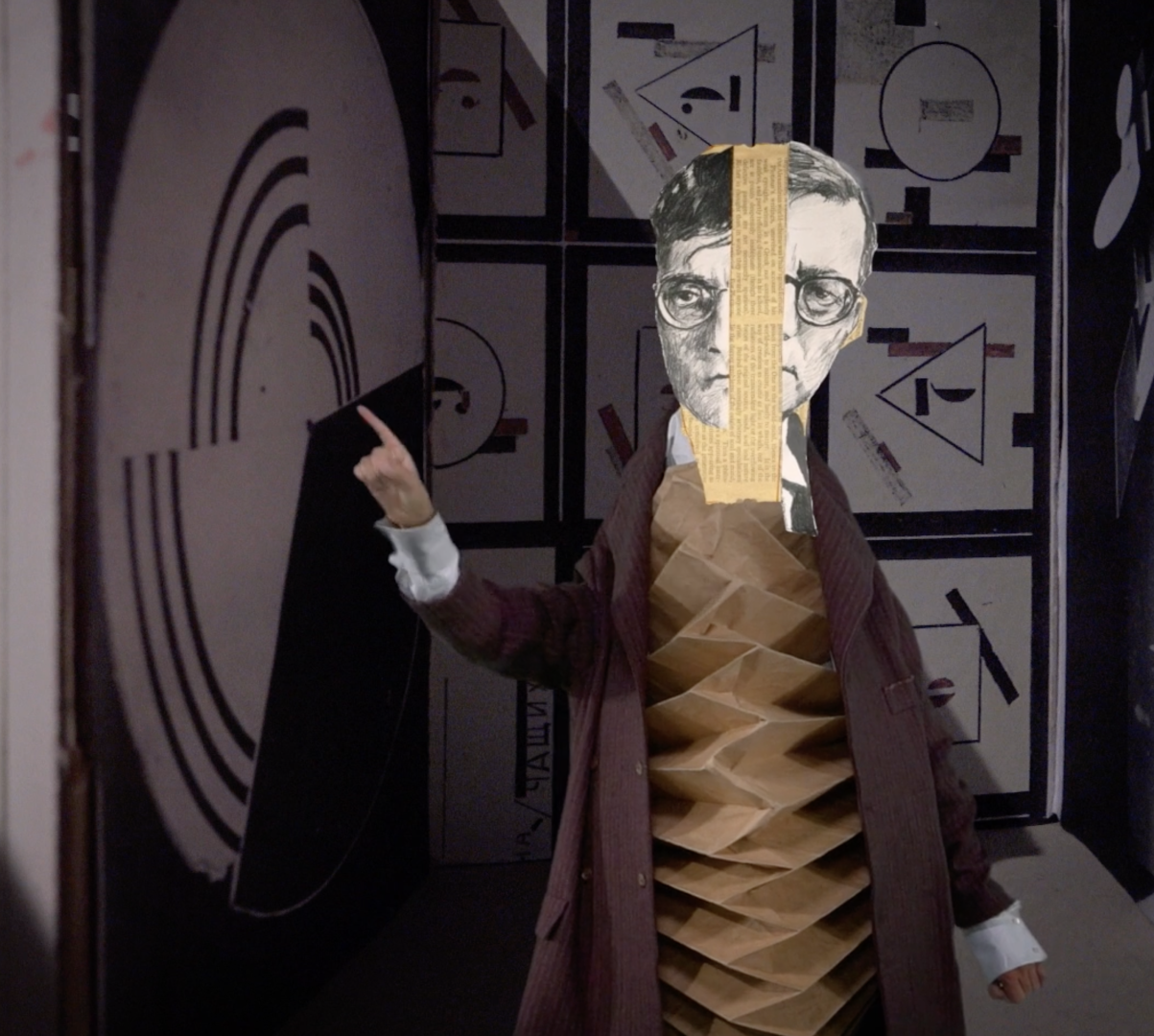
Q: One of the most eagerly anticipated events will be Oh, To Believe in Another World, a multimedia project by world-renowned artist William Kentridge, set to Shostakovich's Symphony No. 10. It will be presented on October 30 at Nizami Cinema. What challenges does performing music in this format involve?
A: In projects of this kind, music is no longer perceived solely as an independent work. Instead, it enters into a complex dialogue with visual art. At the same time, it must not become merely an accompaniment to the images. The musical dramaturgy and the visual elements must stand on equal footing, complementing and intensifying one another.
William Kentridge's work is distinguished by its vivid imagery, multiple layers of meaning and underlying dramatic tension. Combined with Shostakovich's Symphony No. 10, it creates a space for a profound emotional experience. For musicians, this format demands absolute concentration, precision and the ability to follow the unfolding action not only through the score but also within the visual environment.
Another point of interest is Shostakovich's connection with Azerbaijan. Azerbaijani composer Elmira Nazirova occupies a special place in the history of his creative work. The musical echoes between their compositions offer a fresh perspective on his legacy. This gives the performance of Symphony No. 10 in Baku an additional cultural dimension.
For the BIAF Festival Orchestra under Dmitry Sitkovetsky, this is a significant artistic challenge. The musicians must preserve the integrity of the composition, coordinate precisely with the visual elements and convey the full emotional intensity of the score to the audience.
Q:The second half of the evening will feature the Concerto on Arabic Themes by Fikrat Amirov and Elmira Nazirova, performed by Farhad Badalbeyli. What place does this work occupy in the festival programme?
A: This concerto serves as a bridge between Shostakovich, Elmira Nazirova and the Azerbaijani musical tradition. It allows us to continue exploring the creative connections that brought together composers from different generations and cultures.
Farhad Badalbayli is an outstanding pianist, teacher and one of the leading figures in Azerbaijan's musical life. His extensive experience and profound understanding of both Azerbaijani and world musical traditions lend the performance particular authority.
The composition itself is fascinating for the way it brings together different artistic elements. Its classical form interacts with Eastern melodic traditions, subtle nuances of expression and a poetic sensibility. This is not a mechanical fusion of different traditions, but a search for an organic musical language in which they enrich one another.
Badalbeyli's participation underscores the festival's high artistic standards and its commitment to presenting not only internationally renowned works but also compositions of particular importance to Azerbaijani musical culture.
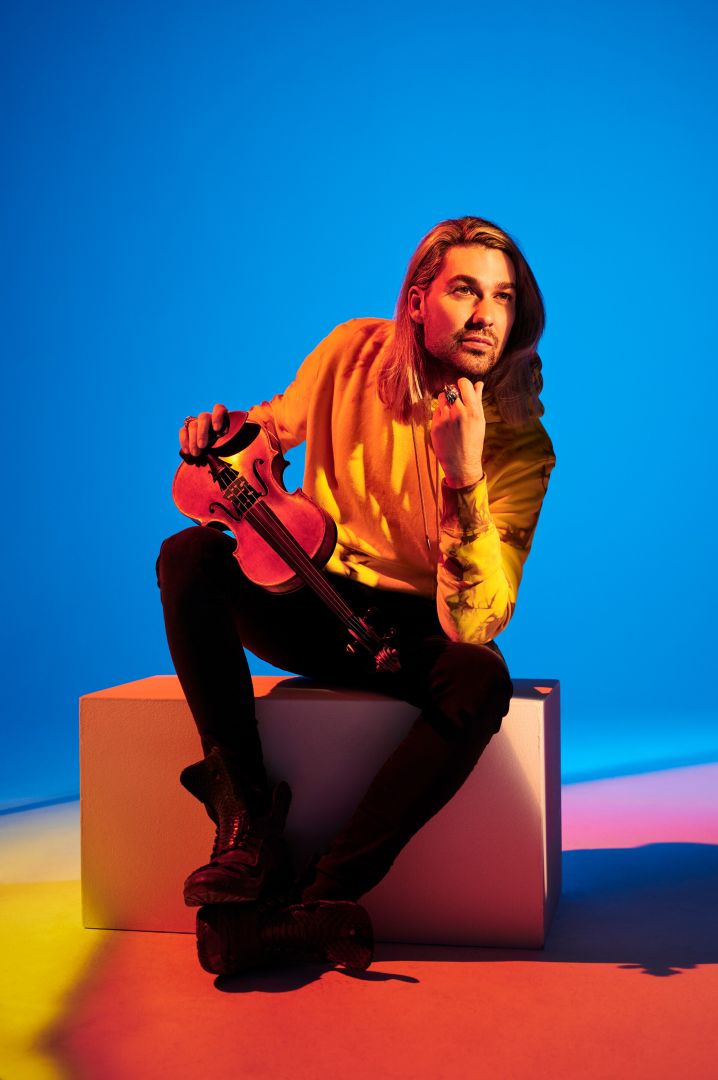
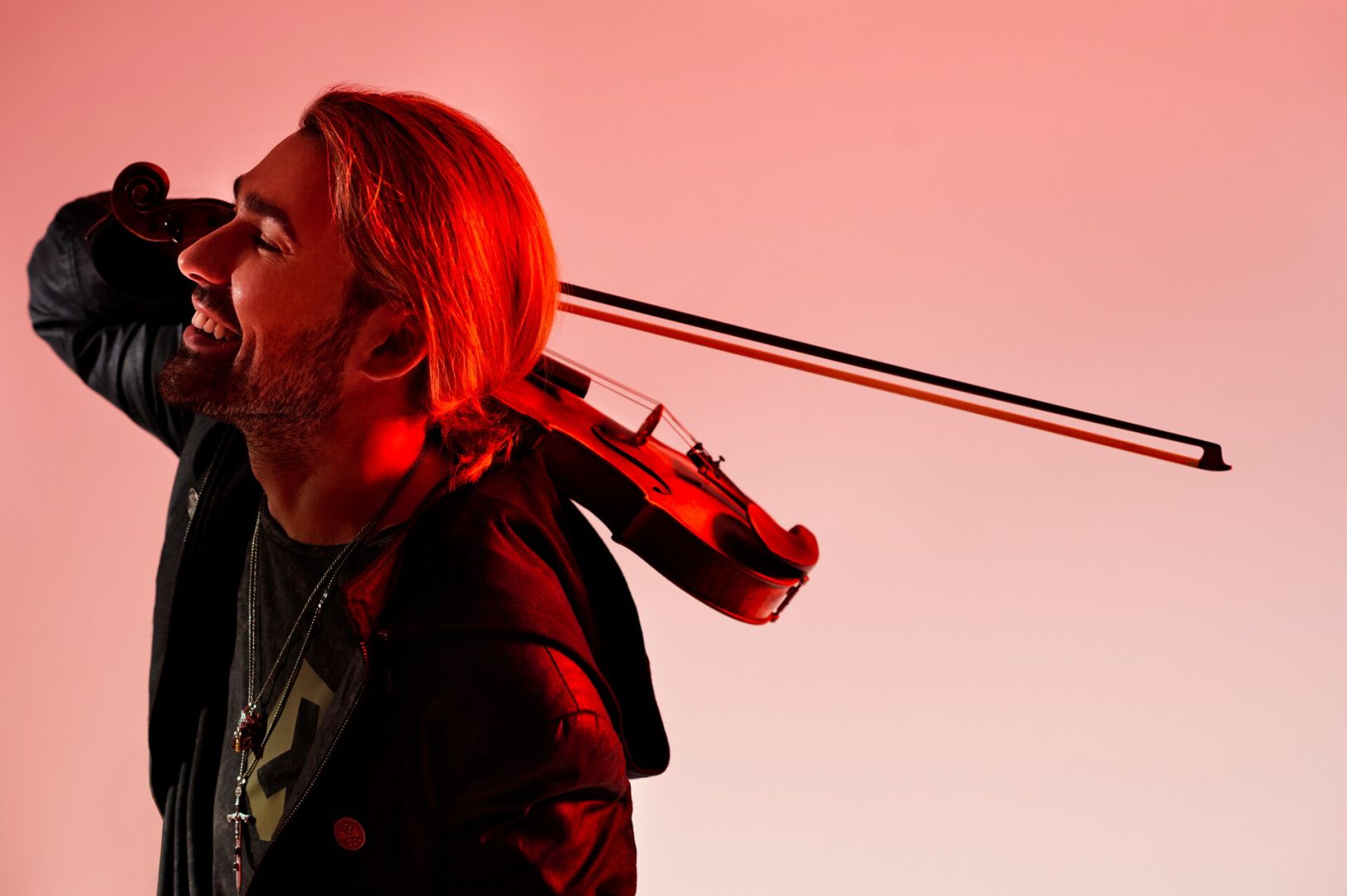
Q: On November 4, world-renowned violinist David Garrett will present his Millennium Symphony show at the Heydar Aliyev Centre. How does Baku's classical music community view such musical experiments?
A: I believe projects of this kind deserve attention, above all because they are backed by serious professional training. David Garrett is a graduate of the Juilliard School and studied under renowned violin teacher Zakhar Bron. His performing career is rooted in the classical tradition, allowing him to work confidently beyond the conventional classical repertoire.
Crossover projects give classical music an opportunity to reach audiences beyond its traditional following. Modern arrangements, dynamic stage presentations and the inclusion of popular music attract younger listeners who might not otherwise have been interested in symphonic music.
I do not believe classical music should be set against contemporary genres. On the contrary, when an experiment is underpinned by outstanding musicianship, it can become a meeting point for different musical worlds.
The architecture of the Heydar Aliyev Centre, designed by Zaha Hadid, is also worth mentioning. Its expressive forms, flowing lines and sense of movement create an intriguing setting for a show of this kind. In such a space, symphonic arrangements of rock and pop hits can acquire additional visual and emotional impact.
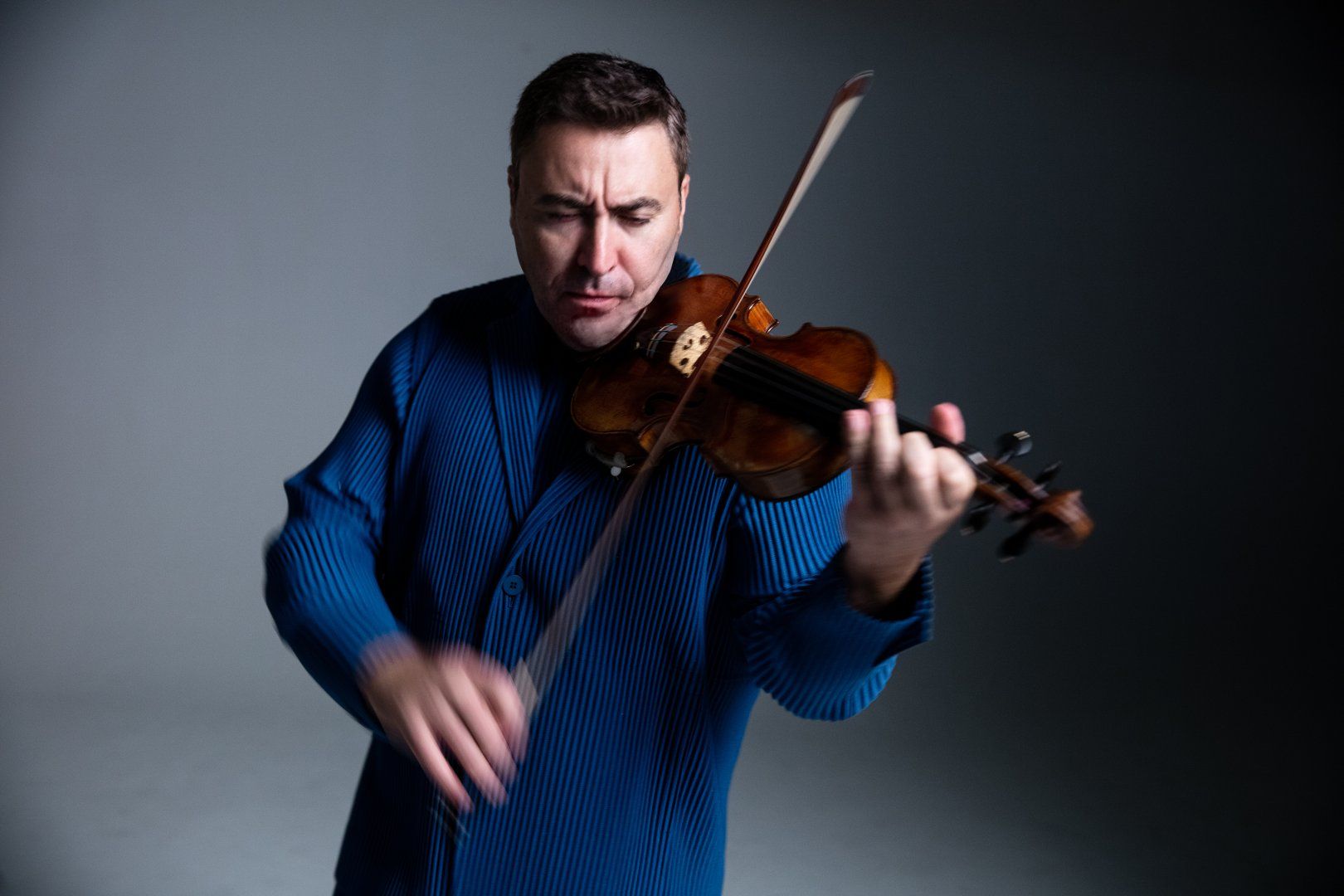
Q: On November 8, the festival will conclude with a performance at the Philharmonic Hall by celebrated violinist Maxim Vengerov, a Grammy Award winner. What does his visit mean for Baku's musical life?
A: Maxim Vengerov's visit is an event of enormous significance for our musical life. He is one of the most outstanding violinists of our time, and his artistry has earned international recognition. His performance will provide a fitting conclusion to a festival that brings together different forms of musical expression.
Vengerov represents the tradition of great instrumental performance, in which virtuosity is inseparable from interpretative depth, intellectual engagement and emotional expressiveness. His artistic journey has been shaped by encounters with outstanding musicians, including Mstislav Rostropovich, Yehudi Menuhin and Claudio Abbado.
For audiences in Baku, the opportunity to hear an artist of this calibre is a great privilege. For young musicians, concerts like these also provide an important benchmark, demonstrating the highest standards of performance.
I am convinced that visits by musicians of this stature strengthen Baku's international cultural ties and confirm the city's ability to host musical events of global significance.
Q: One of BIAF's priorities this year is to involve young Azerbaijani performers and orchestras. How is this principle being put into practice?
A: For me, this is one of the festival's most important aspects. An international cultural forum should not limit itself to inviting renowned foreign artists. It should also create opportunities for local musicians to develop, gain new experience and become part of the international professional community.
The opportunity to work in the same creative environment as masters such as Dmitry Sitkovetsky, Maxim Vengerov, Lukas Geniušas and other festival participants has enormous educational value. Young performers can observe how established musicians work, explore different interpretative approaches and broaden their professional horizons.
The involvement of Azerbaijani educational institutions and artistic organisations is equally important. The Music Academy, the University of Culture and Arts, the Opera and Ballet Theatre and other national institutions possess considerable artistic and human resources.
If the festival helps establish lasting connections between these institutions and international partners, its impact will not end with the final concert. It will continue through new projects, professional relationships and creative initiatives. I consider this long-term impact one of the main measures of BIAF's success.
Q: Music also plays an important role in performances within the festival's parallel programme. In particular, the Stone Chronicle Museum will host To Carthage Then I Came, a project associated with Romeo Castellucci and Scott Gibbons. What makes this work distinctive?
A: This is an example of how music can exist beyond the familiar concert format and become part of a larger stage statement. To Carthage Then I Came is not a classical concert in the traditional sense, but a multidisciplinary performance combining sound, visual imagery, space and elements of performance art.
Romeo Castellucci's work often explores extreme states of human perception and examines the relationships between the body, space, sound and symbolism. In this artistic context, music ceases to be merely a sequence of notes and becomes an independent dramatic force.
The venue itself is also significant. The Stone Chronicle Museum, associated with the history of industrial architecture and the former Siemens brothers' power station, has its own atmosphere and acoustic characteristics. The space becomes more than a location for the event; it forms an integral part of the artistic concept.
I am drawn to the approach of taking art beyond traditional concert halls. It changes the way audiences experience music, encourages viewers to engage with a work from a new perspective and opens up further possibilities for creative experimentation.
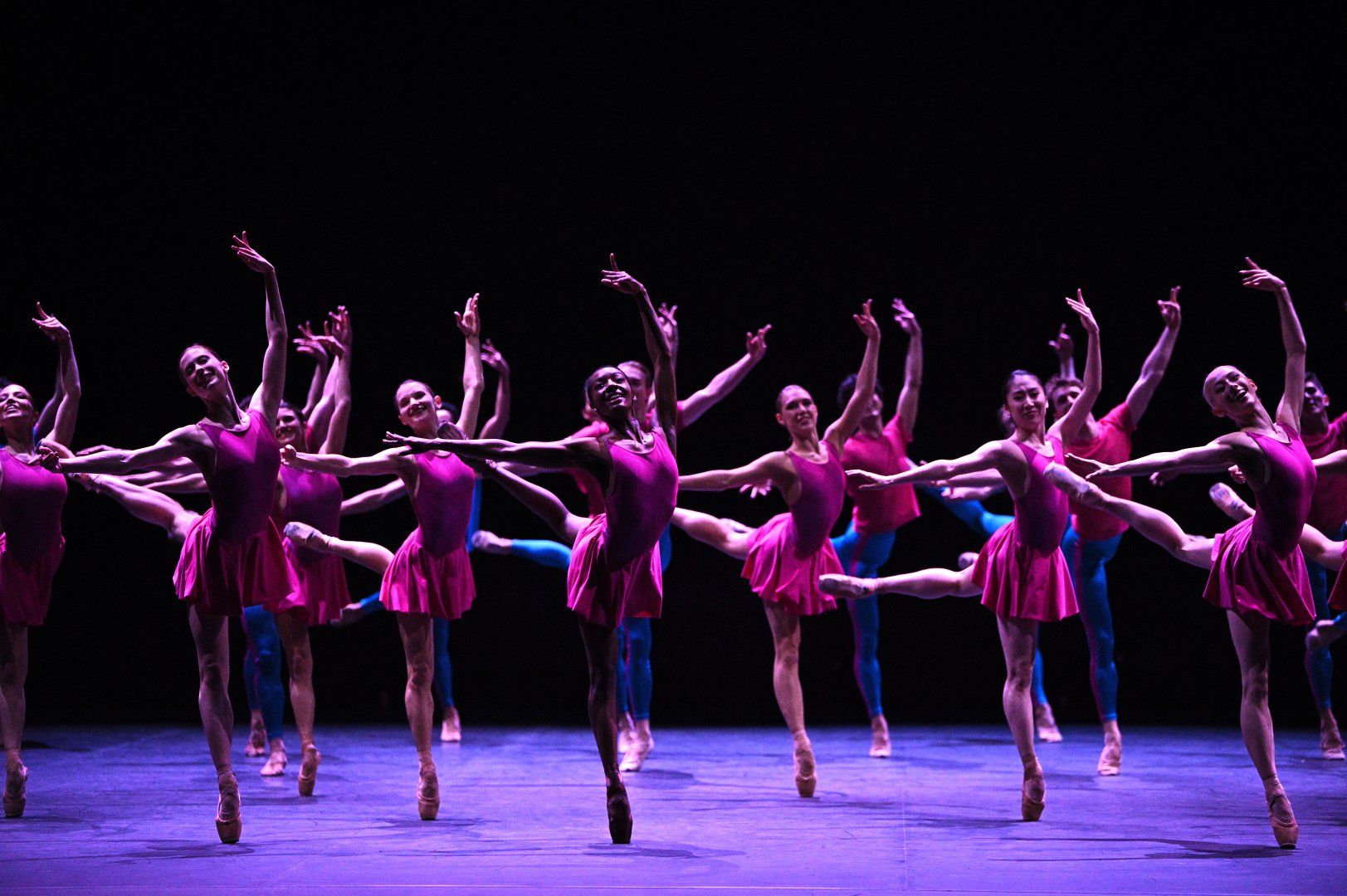
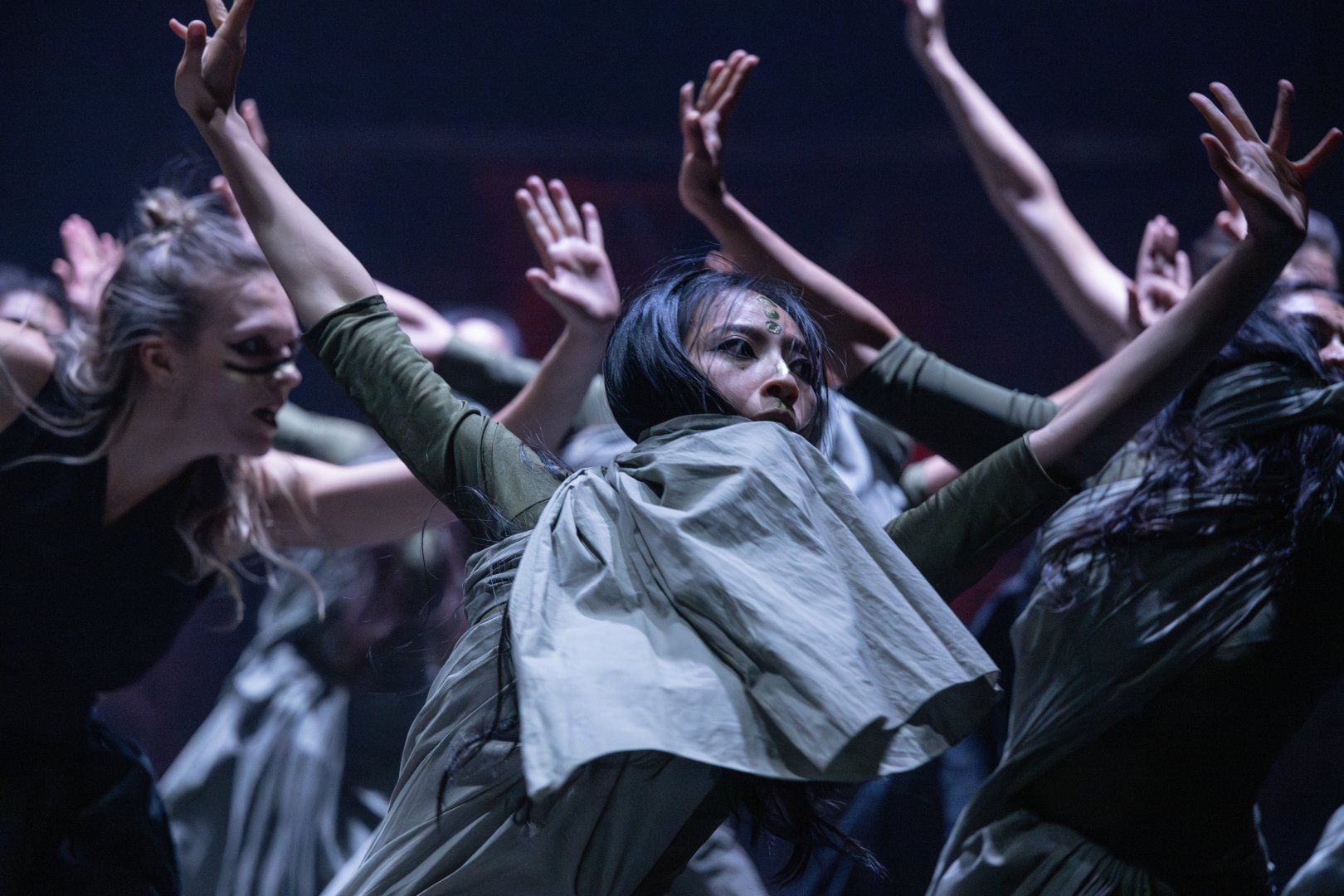
Q: In the ballet programme, English National Ballet will present Playlist (EP), featuring music by Barry White and Khalid. As a conductor, how do you view the combination of classical ballet technique with R&B and house music?
A: I see this as an interesting example of how classical training can interact with contemporary musical culture. Ballet technique demands extraordinary discipline, coordination, physical conditioning and precision. When it is combined with the rhythms of R&B and house music, it generates a distinctive stage energy.
Productions like this allow us to look at the possibilities of ballet in a new way. They attract audiences who may not often attend classical performances and demonstrate that rigorous academic training does not confine artists to a single repertoire.
For dancers, this kind of work is also a serious test. They must maintain technical precision and expressive clarity while adapting their movements to a different musical style and rhythmic structure.
Overall, BIAF's programme demonstrates that high-quality performance knows no rigid genre boundaries. Shostakovich, electronic music, contemporary choreography and classical ballet can coexist within a single festival when they are united by professionalism and a compelling artistic vision.
Q: BIAF is being held for the second consecutive year. As the festival's ambassador, what are your main conclusions so far, and how do you see Baku's music scene developing in the future?
A: First and foremost, I see a commitment to the festival's steady expansion, both in terms of the geographical diversity of its participants and the range of artistic ideas it embraces. We are moving beyond inviting individual outstanding performers towards creating sophisticated, concept-driven programmes in which music interacts with theatre, ballet, contemporary art and new forms of stage expression.
This year, Shostakovich's legacy occupies a special place. Alongside this focus, the festival presents leading international companies and artists, including Les Ballets de Monte-Carlo, Gesher Theatre, choreographer Sharon Eyal and other participants. This diversity allows us to view BIAF as a major cultural project designed to appeal to a broad range of audiences.
For me, it is particularly important that Baku is strengthening its historic role as a crossroads between East and West. For centuries, the city has been a meeting place for different traditions. Today, this distinctive character is finding new expression through international festivals, joint productions and creative collaborations.
Making world-class art accessible to local audiences is equally important. With the support of the Heydar Aliyev Foundation and Azerbaijan's Ministry of Culture, residents and visitors to Baku can experience outstanding artists and contemporary productions of international calibre without travelling abroad.
I hope BIAF will continue to grow, strengthen international ties, support young Azerbaijani performers and introduce new talent. For me, the true measure of the festival's success lies not only in its high-profile premieres and star performers, but also in the cultural legacy it leaves behind.
In this sense, BIAF has the potential to become more than an annual event. It can develop into a lasting platform for international cooperation that will shape Baku's musical and artistic landscape for many years to come.



Here we are to serve you with news right now. It does not cost much, but worth your attention.
Choose to support open, independent, quality journalism and subscribe on a monthly basis.
By subscribing to our online newspaper, you can have full digital access to all news, analysis, and much more.
You can also follow AzerNEWS on Twitter @AzerNewsAz or Facebook @AzerNewsNewspaper
Thank you!