
Ankara wants pragmatism on oil and principles from Baku
By Farman Aydin | AzerNEWS
Türkiye’s relationship with Azerbaijan is often described in the language of brotherhood. However, the controversy surrounding oil exports through the Baku–Tbilisi–Ceyhan (BTC) pipeline raises a more uncomfortable question: does Ankara regard Baku as an equal sovereign partner, or as an ally whose foreign policy should ultimately conform to Turkish expectations?
First of all, strategic partnerships cannot endure on historical sentiment alone. They require mutual respect, consistent principles and recognition that even the closest allies retain the right to pursue their own national interests.
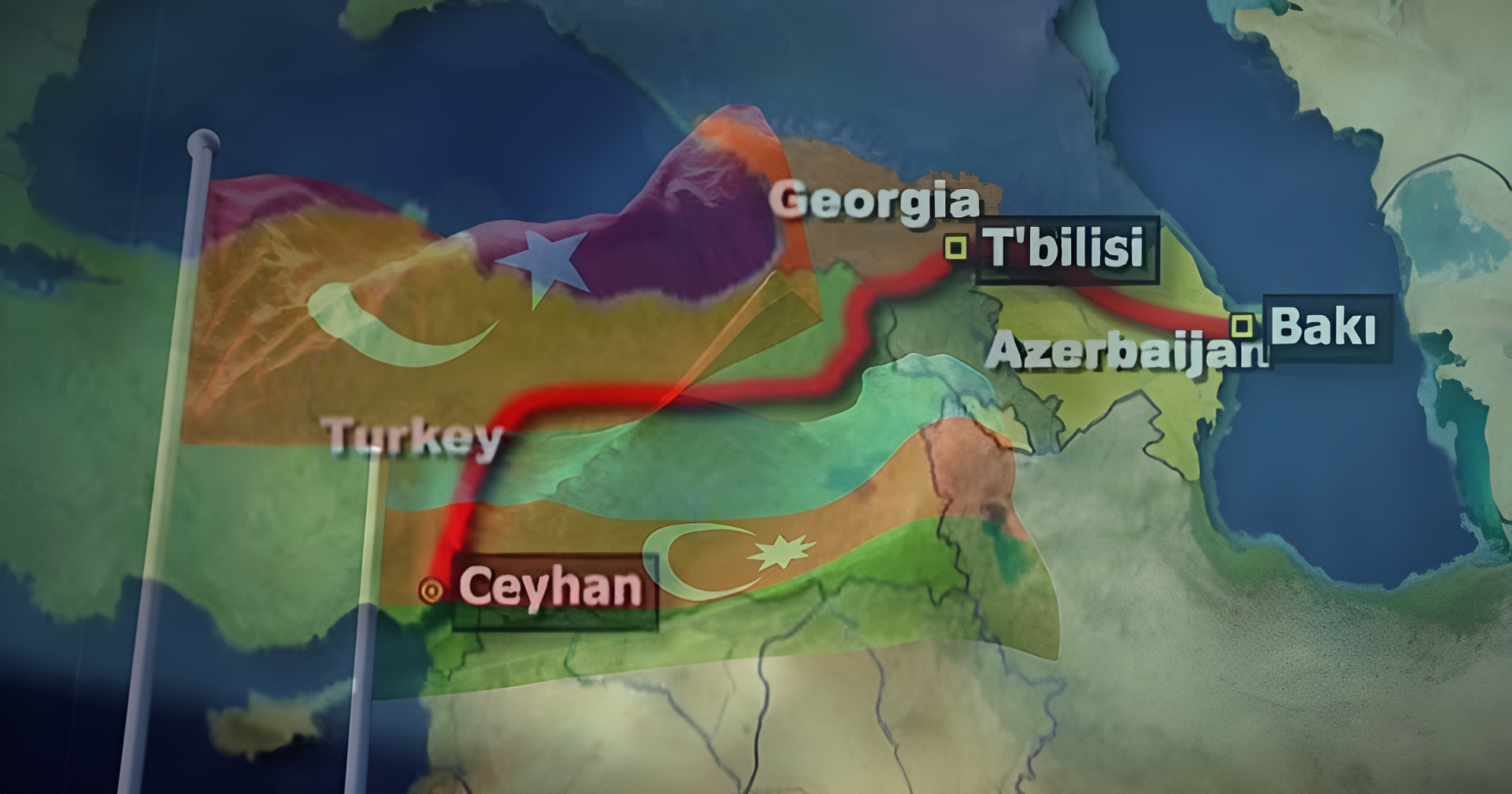
The debate over oil reaching Israel through Türkiye’s Mediterranean port of Ceyhan is what illustrates the problem. Energy-tracking data from companies such as Kpler have been cited in discussions about continued shipments of crude oil from the terminal to Israel. Therefore, establishing the precise volumes and their origins requires careful examination, but the underlying political contradiction deserves scrutiny.
Turkish officials have invoked international agreements and legal obligations to explain why Ankara cannot simply halt the transit of oil through established infrastructure. That argument has a legitimate basis: international contracts, commercial arrangements and the legal responsibilities of transit states cannot be dismissed at will.
But the same principle must apply to Azerbaijan. Let's say that if Türkiye considers its own contractual commitments sufficient reason to preserve energy flows despite political controversy, on what grounds should Azerbaijan be expected to subordinate its independent foreign policy to the preferences of Turkish politicians, commentators or pressure groups? Sovereignty cannot be defended as a principle for Ankara and treated as a conditional privilege for Baku, can it?
This is where the language of brotherhood risks becoming an instrument of political leverage. Sections of the Turkish media have portrayed Azerbaijan’s relations with Israel as a test of loyalty to the wider Muslim world. Such arguments frequently overlook a fundamental point: Baku is entitled to maintain diplomatic and economic relations with different states, provided it respects its international obligations.
Azerbaijan has pursued relations with both Israel and Palestine. These relationships reflect a foreign policy shaped by national interests, diplomatic calculations and regional realities. In the meantime, they need not mirror Türkiye’s priorities, just as Ankara’s decisions should not be dictated by Baku.
The imbalance becomes particularly troubling when political expectations are framed through a hierarchy of influence. Türkiye’s greater economic and military weight gives it considerable leverage, but power does not confer ownership over an ally’s strategic choices. Nor does the rhetoric of a shared nationhood entitle one government to demand deference from another.
For Azerbaijan, the lesson is not that its partnership with Türkiye should be weakened. The relationship remains strategically important. Rather, its durability depends on whether both sides can accept disagreement without turning it into a test of allegiance.
Ankara, meanwhile, faces a choice: whether it can defend a relationship grounded in sovereign equality, or encourage a political culture in which solidarity is invoked selectively, i.e. to justify Türkiye’s own pragmatic decisions while questioning those made in Baku.
The distinction between principle and convenience is not just rhetorical. It shapes the credibility of foreign policy, the predictability of commercial partnerships and the trust on which regional cooperation depends.
If international obligations justify Türkiye’s energy decisions, they deserve equal consideration when Azerbaijan makes its own. If strategic autonomy is indispensable to Ankara, it must also be respected in Baku.
Thus, brotherhood is meaningful only when it works in both directions. Otherwise, the language of partnership begins to resemble something less equal. So, it means a demand for loyalty from a country that is expected to accept another’s rules without enjoying the same freedom to set its own.
Here we are to serve you with news right now. It does not cost much, but worth your attention.
Choose to support open, independent, quality journalism and subscribe on a monthly basis.
By subscribing to our online newspaper, you can have full digital access to all news, analysis, and much more.
You can also follow AzerNEWS on Twitter @AzerNewsAz or Facebook @AzerNewsNewspaper
Thank you!