
Baku’s hidden legacy in Vietnam’s energy transformation

Qabil Ashirov
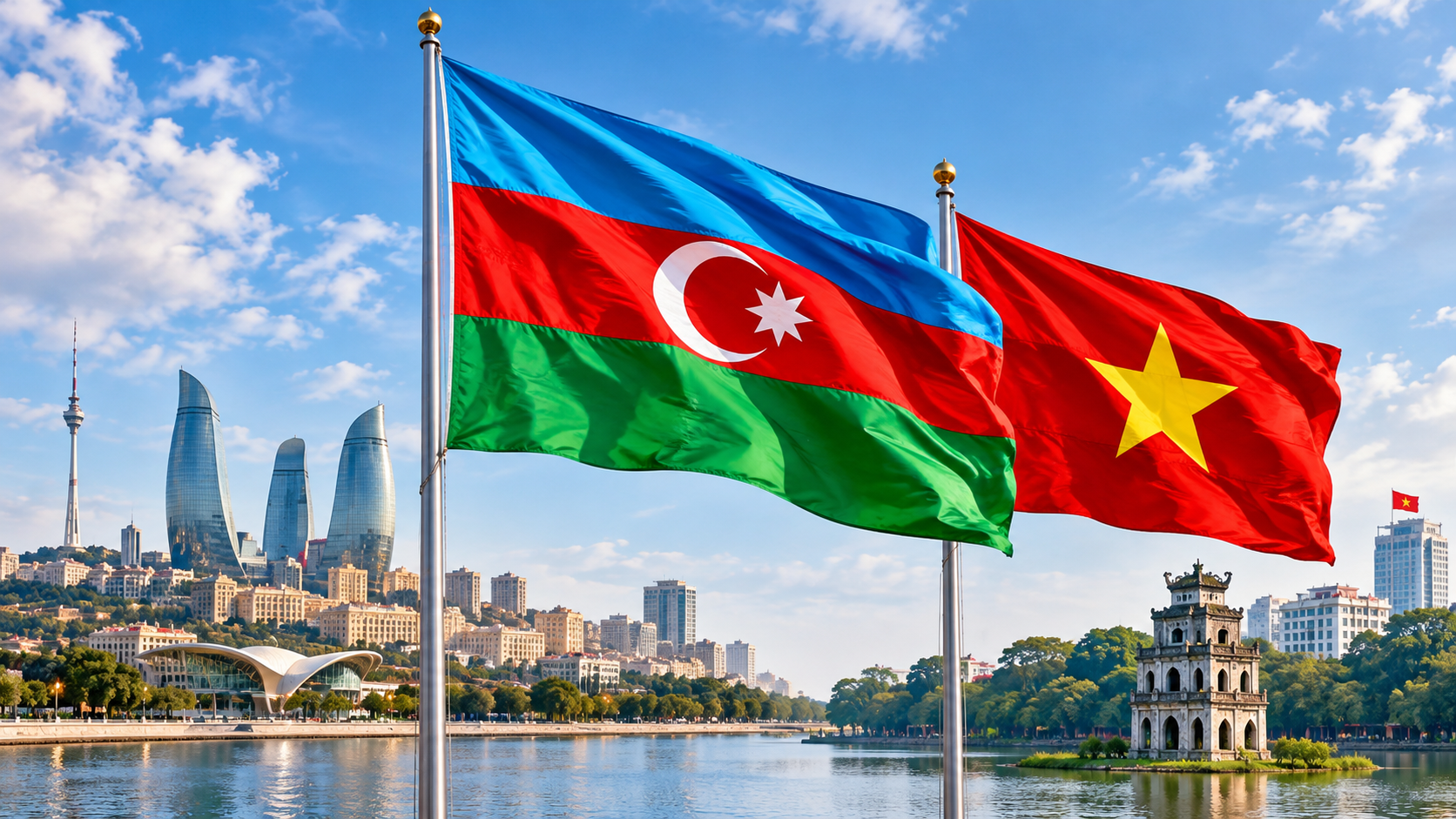
Read moreWhen Vietnam began looking towards the sea for the oil wealth that could finance its economic future, one of its most valuable sources of expertise lay thousands of kilometres away, on the shores of the Caspian Sea. Baku, already internationally recognised for its petroleum engineering traditions, became an important centre of knowledge, technical training and industrial experience for a country preparing to build its own oil and gas industry. More than six decades later, the relationship between Azerbaijan and Vietnam stands as an extraordinary example of how engineering expertise, human capital and strategic cooperation can shape the economic future of another nation.
The foundations of this partnership were laid in 1959, when Vietnamese President Ho Chi Minh visited Baku. During his visit, he became acquainted with Azerbaijan's oil industry and expressed interest in receiving Soviet assistance, particularly Azerbaijani expertise, to develop Vietnam's petroleum sector. His request reflected a broader strategic ambition: to establish an integrated industry capable of geological exploration, drilling, production, refining and petrochemical processing.
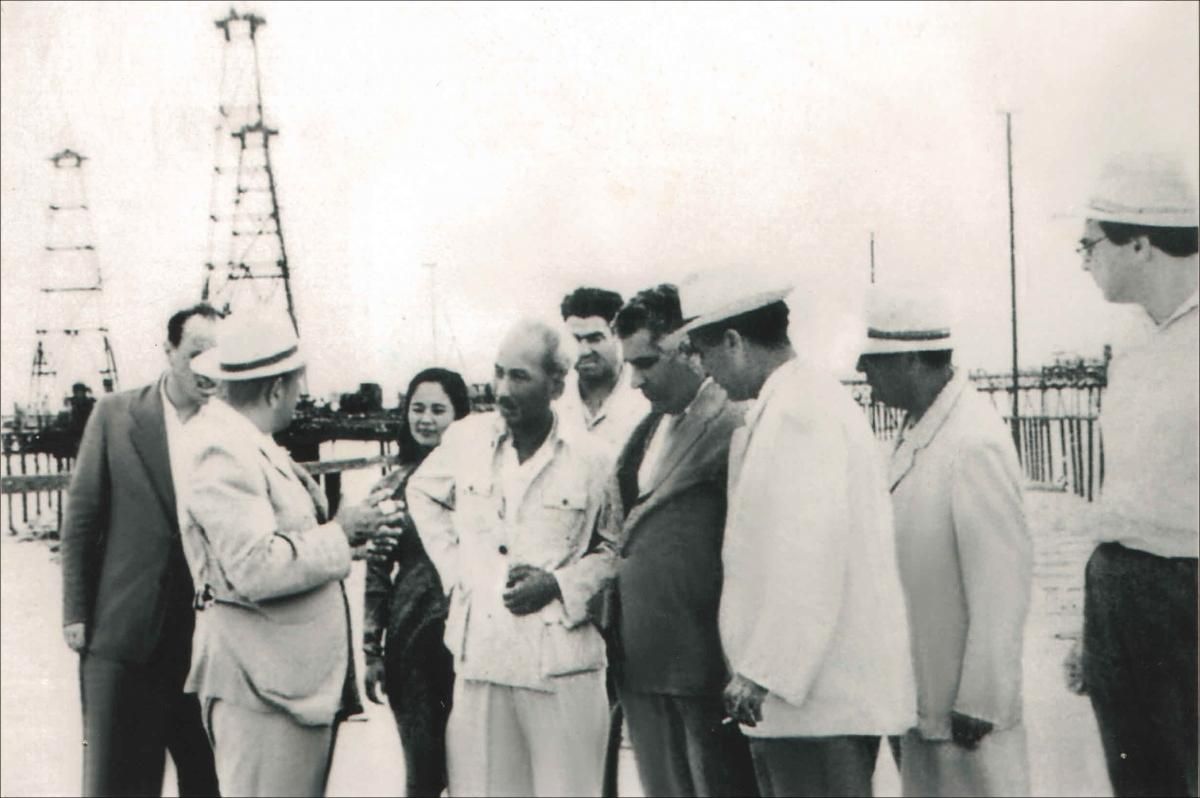
For Azerbaijan, the significance of that appeal extended far beyond traditional diplomatic relations. It created an opportunity to transfer decades of accumulated petroleum knowledge to a country whose industrial development would increasingly depend on energy resources. The Baku oil industry, with its extensive experience in offshore production and engineering, offered precisely the kind of institutional and technical foundation Vietnam needed.
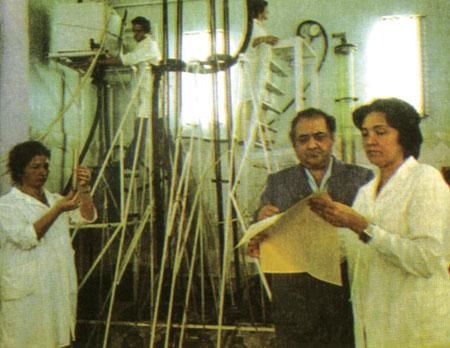
The first Vietnamese students arrived in Azerbaijan in 1960, while eight Vietnamese students specialising in petroleum-related disciplines were sent to Baku in 1966. Over subsequent years, hundreds of Vietnamese engineers and petroleum specialists received professional education in Azerbaijan. According to Vietnam's official news agency, VNA, approximately 5,000 Vietnamese citizens studied in Baku, including around 2,000 specialising in petroleum engineering. Many subsequently became leading engineers, managers and technical specialists in Vietnam's emerging oil and gas industry.
This educational dimension deserves particular attention. Building an oil industry requires considerably more than geological discoveries or access to drilling equipment. It requires generations of engineers capable of designing production systems, managing offshore operations, evaluating reservoirs and maintaining complex industrial infrastructure. Azerbaijan's contribution therefore extended beyond supplying individual experts: it helped Vietnam develop its own professional workforce and institutional knowledge.
The transfer of expertise also took place through the direct participation of Azerbaijani specialists in Vietnam. Azerbaijani engineers, geologists, drilling experts and technical personnel became involved in the country's petroleum development, bringing practical experience accumulated in one of the world's historic oil-producing centres. Their contribution became especially significant in the development of offshore exploration and production capabilities.
A decisive institutional milestone came on June 19, 1981, when Vietnam and the Soviet Union signed an intergovernmental agreement establishing Vietsovpetro, a joint venture designed to explore and develop Vietnam's offshore petroleum resources. The company subsequently became one of the central pillars of the country's oil industry. Its first general director was Azerbaijani oil specialist Jalal Mammadov, whose appointment reflected the confidence placed in Azerbaijan's engineering and management experience.
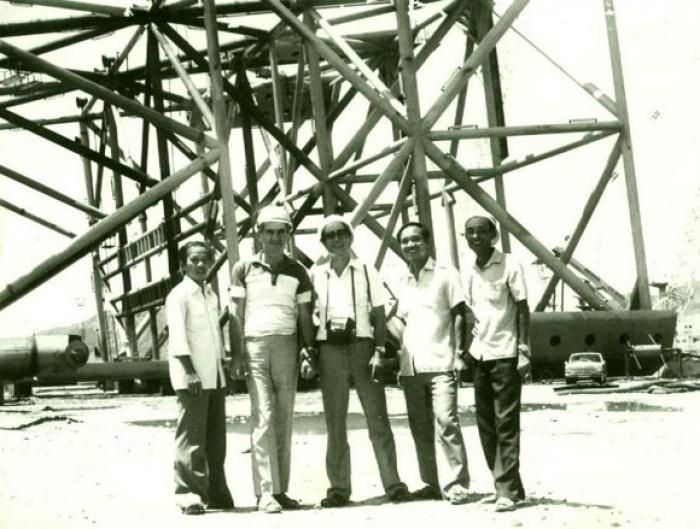
The early development of Vietsovpetro illustrates the strategic importance of this human capital. Vietnamese specialists worked alongside Soviet Azerbaijani engineers to establish the technical foundations of offshore exploration. The undertaking involved geological research, drilling operations, offshore platforms, engineering facilities and the development of an operational workforce capable of managing increasingly sophisticated projects.
Heydar Aliyev's 1983 visit to Vietnam added another important dimension to this cooperation. At the time, Aliyev was a member of the Soviet Communist Party Politburo and First Deputy Chairman of the USSR Council of Ministers. Leading a high-level Soviet delegation, he travelled to Vietnam and visited Vung Tau, the coastal centre that would become synonymous with the country's offshore petroleum industry.
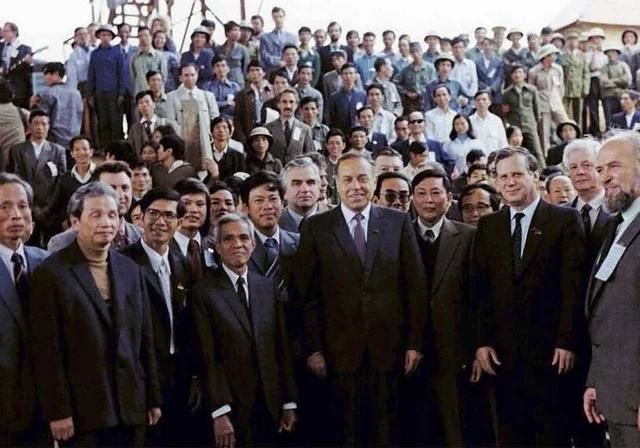
His meeting with Vietnamese and Soviet oil specialists demonstrated the political importance attached to the project. Azerbaijan's diplomatic representation in Vietnam has subsequently highlighted Aliyev's efforts to accelerate exploration through additional Azerbaijani specialists and equipment supplied from Baku. The intervention reflected an understanding that the development of a new petroleum industry required coordinated political support, engineering resources and sustained investment.
The technical milestones that followed transformed Vietnam's energy prospects. Vietsovpetro discovered commercially significant oil at the Bach Ho, or White Tiger, field in May 1984. The first commercial crude oil production began on June 26, 1986. This achievement marked a turning point in Vietnam's economic development, establishing offshore petroleum production as a major source of national revenue and industrial growth.
The subsequent performance of Vietsovpetro demonstrates the long-term economic significance of the original partnership. By June 2024, the joint venture had extracted 250 million tonnes of oil since its establishment. Its operations have generated substantial export revenues, fiscal contributions, employment and technical capabilities, while helping Vietnam develop a broader offshore energy ecosystem. Its accumulated experience has also supported the development of domestic engineering, fabrication, drilling and production services.
For Azerbaijan, this historical record carries an important economic and geopolitical message. The country's contribution to Vietnam illustrates the international value of its petroleum expertise and the potential of technical cooperation as an instrument of long-term influence. Oil wealth creates economic opportunities, while the knowledge required to discover, develop and produce hydrocarbons can generate an enduring legacy across national borders.
The Vietnamese experience also highlights the importance of education as a strategic investment. Thousands of Vietnamese graduates who studied in Azerbaijan carried their knowledge into government institutions, research organisations and petroleum enterprises. Their professional careers helped establish lasting connections between the two countries, creating a network of expertise that survived the political and economic transformations following the dissolution of the Soviet Union.
Today, Vietnam has developed into a significant energy producer, while Vietsovpetro remains an important participant in its offshore petroleum sector. Azerbaijan, meanwhile, continues to possess considerable experience in offshore operations, geological exploration, pipeline infrastructure and energy management. These complementary capabilities provide a strong foundation for renewed cooperation in modern petroleum technologies, workforce development, digitalisation and energy infrastructure.
The story of Azerbaijan and Vietnam ultimately offers a broader lesson about the international influence of industrial knowledge. Baku's contribution reached far beyond the Caspian coastline, helping another country establish the technical foundations of an industry that became central to its economic development. From Ho Chi Minh's 1959 visit to the establishment of Vietsovpetro, from Azerbaijani engineers working in Vung Tau to Vietnamese petroleum graduates returning home, the partnership evolved into a remarkable example of knowledge transfer and strategic solidarity.
Azerbaijan's role in Vietnam's oil and gas development therefore deserves recognition as one of the most consequential chapters in the international history of the country's petroleum engineering tradition. The legacy of Baku in Vietnam lives through the engineers, institutions, offshore facilities and millions of tonnes of oil that have shaped the country's modern energy economy.
Here we are to serve you with news right now. It does not cost much, but worth your attention.
Choose to support open, independent, quality journalism and subscribe on a monthly basis.
By subscribing to our online newspaper, you can have full digital access to all news, analysis, and much more.
You can also follow AzerNEWS on Twitter @AzerNewsAz or Facebook @AzerNewsNewspaper
Thank you!