
Strait of Hormuz faces rising maritime threats amid tanker attacks

Ulviyya Poladova
Read moreAt least six oil tankers have been attacked in and around the Strait of Hormuz over the past week.
According to the United Kingdom Maritime Trade Operations (UKMTO), four attacks were recorded in the Strait of Hormuz and two in the Gulf between November 12 and 18. Two vessels required assistance following the incidents, while the consequences of the other four attacks remain unclear. None of the ships sank.
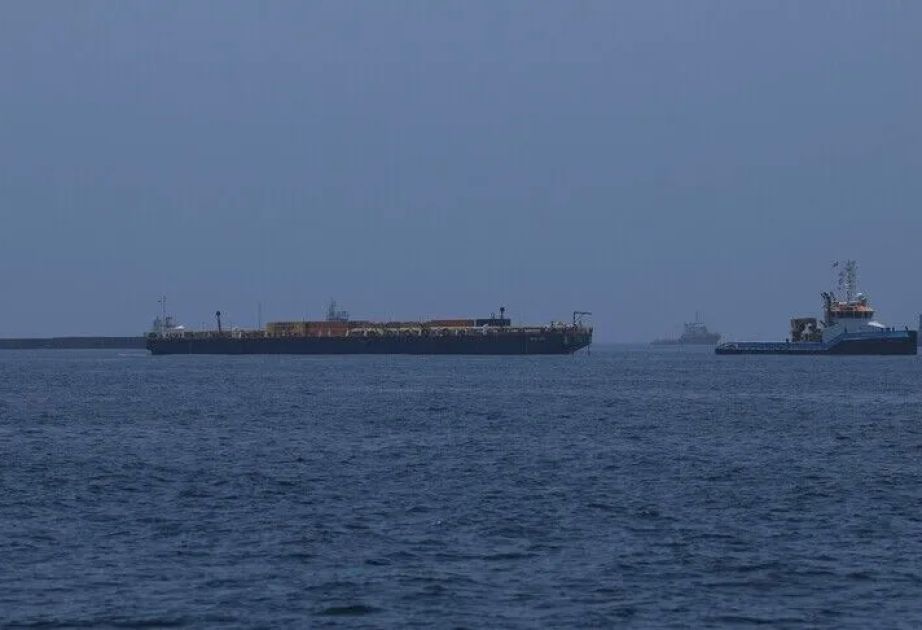
On November 17, an unidentified projectile struck a tanker north of Oman's Khasab port, leaving one crew member missing and 11 others injured. A fire broke out on board, and the damaged vessel was subsequently taken under tow to port.
It was also noted that shipping traffic through the Strait of Hormuz remains approximately 65% below pre-war levels. The threat level in the region continues to be classified as serious.
The Strait of Hormuz is a narrow maritime passage between the Persian Gulf and the Gulf of Oman, holding significant strategic importance as approximately 20% of global oil supplies and around 25% of liquefied natural gas (LNG) exports pass through it. Essentially, it serves as an energy artery for countries in Asia, Europe, and even the United States.
The strait separates Iran from Oman, and in some areas, the width of the shipping channel is only two miles on each side. Given its critical role in global energy supply chains, ensuring the safety and security of this vital waterway is paramount for international trade and economic stability.
Here we are to serve you with news right now. It does not cost much, but worth your attention.
Choose to support open, independent, quality journalism and subscribe on a monthly basis.
By subscribing to our online newspaper, you can have full digital access to all news, analysis, and much more.
You can also follow AzerNEWS on Twitter @AzerNewsAz or Facebook @AzerNewsNewspaper
Thank you!