
Israeli mental health hotline records nearly 930,000 contacts since war in Gaza
Akbar Novruz
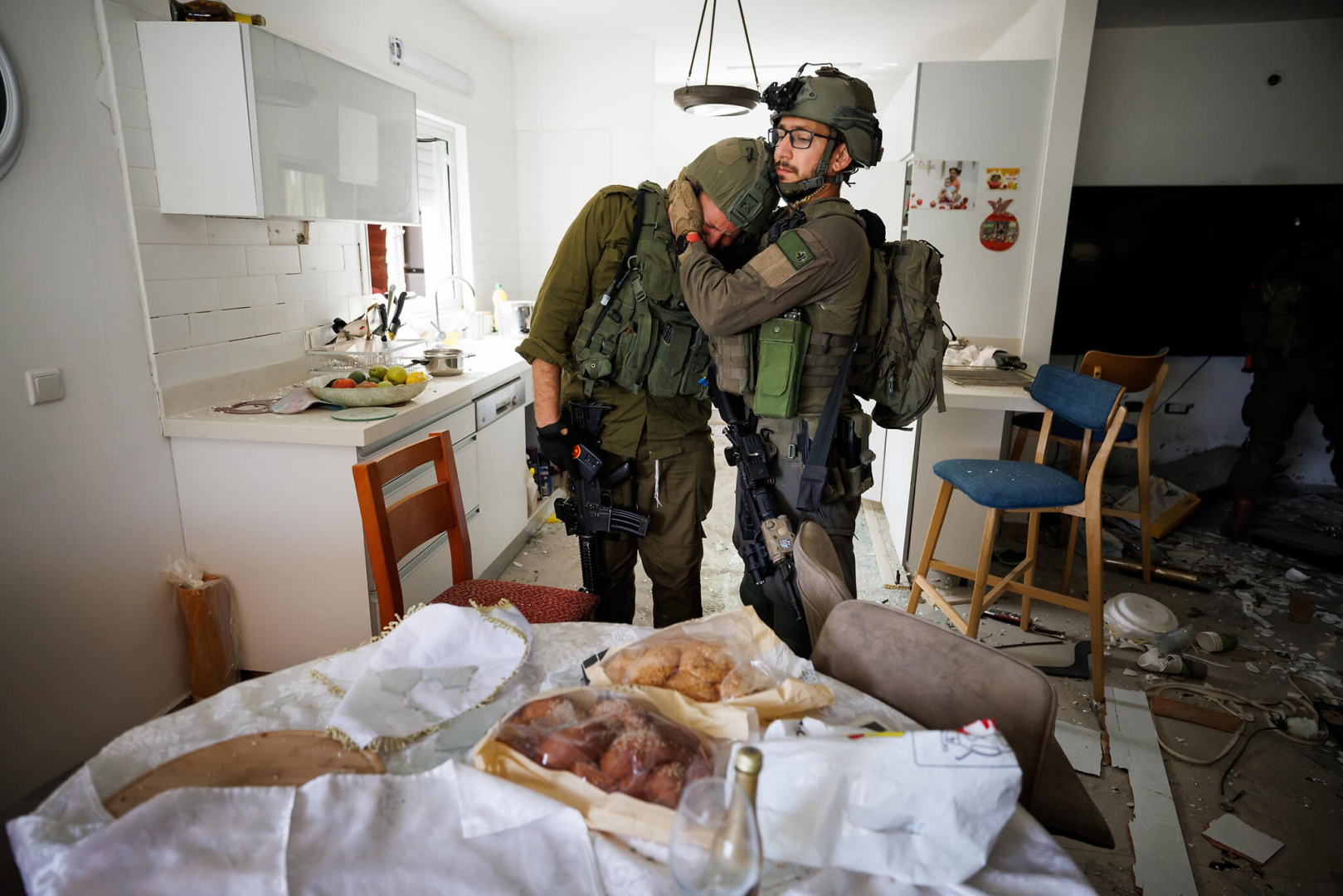
Read moreNearly 930,000 requests for psychological and emotional support have been recorded by Israel's ERAN mental health hotline over the three years following October 7, 2023, reflecting sustained demand for mental health assistance amid prolonged conflict and insecurity.
According to a report released by the nonprofit organisation, its network of approximately 1,850 trained volunteers, supported by mental health professionals, handled 928,911 inquiries between October 2023 and 2026.
Of these, 774,604 were telephone calls, while another 154,307 were received through digital platforms, including WhatsApp, online chats, text messages and email.
The figures indicate that demand for psychological assistance remained elevated throughout the three-year period, although the number of inquiries declined slightly in the third year after reaching higher levels during the first two.
Loneliness emerged as the most frequently reported concern among those seeking assistance.
According to ERAN, loneliness-related inquiries accounted for approximately 28% of contacts during the first year following October 7, rising to 41% by the third year.
The increase suggests that social isolation and emotional distress have remained significant concerns even as the immediate circumstances surrounding the initial attacks have evolved into a prolonged period of conflict.
The report also documented 21,829 contacts involving suicidal thoughts, intentions or actions, representing approximately 2.35% of all inquiries received during the three years.
The proportion of such cases increased from 2% in the first year to 2.83% in the third, indicating a growing share of contacts involving potentially serious psychological distress.
Military personnel also accounted for a substantial proportion of the requests for assistance.
According to the organisation, approximately 160,000 contacts were associated with soldiers and reservists, with loneliness again emerging as one of the leading concerns.
The findings highlight the psychological pressures experienced by both civilians and military personnel during a period marked by repeated security threats, military mobilisation, uncertainty and prolonged regional hostilities.
However, the hotline figures represent contacts rather than necessarily distinct individuals, meaning the total does not establish that nearly one million separate people sought assistance. The figures also do not, by themselves, establish the prevalence of mental health conditions across Israel's population.
The report comes three years after the Hamas-led attacks on southern Israel on October 7, 2023, which triggered Israel's military campaign in the Gaza Strip and contributed to a wider escalation of regional hostilities.
The psychological consequences of the conflict extend far beyond Israel.
In Gaza, years of military operations, repeated displacement, destruction of civilian infrastructure and the deaths of tens of thousands of Palestinians have created an extensive humanitarian crisis.
Palestinian health authorities have reported tens of thousands of deaths since the beginning of the war, while humanitarian organisations have repeatedly warned about the psychological consequences of prolonged exposure to violence, bereavement, displacement and uncertainty, particularly among children.
The destruction of healthcare infrastructure and disruption of essential services have further complicated access to psychological and psychiatric support in the territory.
Here we are to serve you with news right now. It does not cost much, but worth your attention.
Choose to support open, independent, quality journalism and subscribe on a monthly basis.
By subscribing to our online newspaper, you can have full digital access to all news, analysis, and much more.
You can also follow AzerNEWS on Twitter @AzerNewsAz or Facebook @AzerNewsNewspaper
Thank you!