
Azeri growth to ease in 2009 despite low impact of crisis: IMF
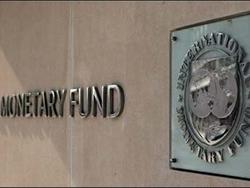
Economic growth in Azerbaijan will slow this year in
comparison with 2008, but the country`s economic figures are likely
to top projections despite the ongoing global recession, the
International Monetary Fund estimates.
Koba Gvenetadze, head of the IMF mission in the country, says the Gross Domestic Product (GDP) is predicted to grow 2.5% in the South Caucasus republic in 2009. Growth will be at 1% in the oil sector and 4% in other fields, according to the updated version of the Fund`s World Economic Outlook report released in April.
Gvenetadze said given that GDP is forecast to decline in 75% of all countries this year, Azerbaijan`s standing could be described as quite satisfactory. Moreover, the country may even post economic figures exceeding projections in 2009, as the predictions have been calculated based on an average oil price of $52 a barrel, while world crude prices are currently nearing $70. This alone is grounds to conclude that Azerbaijan`s growth will exceed projections.
The IMF executive said, further, that inflation is also expected to drop in the country this year. This will benefit low-income citizens by driving up their purchasing power.
According to preliminary estimates, Azerbaijan`s budget will sustain a minor shortfall in 2009. However, if oil prices remain at the current level, the budgetary deficit will be replaced with a surplus. In addition to that, the country`s foreign trade turnover will retain a surplus throughout the year.
Gvenetadze said Azerbaijan will completely free itself from the impact of the economic crisis in 2010, and the rate of its GDP growth will surge next year. The IMF predicts that the figure will grow 12.3% next year, provided that oil prices are estimated at $62 a barrel.
The head of the IMF mission said the availability of ample financial resources has insured the country against the consequences of the economic crunch. He also noted that the government should closely follow the process, and, if necessary, channel additional funds into the economy.
Gvenetadze stressed that the global economic recession has had a different impact on those countries located in Central Asia and the Caucasus region. According to Gvenetadze, the IMF estimates that the eight regional states have not integrated into the global financial system. Still, the worldwide crisis has affected countries in the region as well. According to projections, 2009 will not see overall GDP growth in the region. Only in 2010 will a 5% growth be posted for the entire region, with Azerbaijan accounting for a large share of the growth.
Gvenetadze said oil importers in the region - Georgia, Armenia, Tajikistan and Kyrgyzstan - have been affected the most by the crisis. These countries` national currencies have lost value and their currency reserves dwindled. Besides, production plummeted in oil importing states. Additionally, their budget revenues are expected to decrease this year.
As for the region`s oil and gas exporters - Azerbaijan, Kazakhstan, Turkmenistan and Uzbekistan - they have seen only a slight impact from the world crisis. Nevertheless, the slowdown in imports and reductions in prices and domestic demand have adversely affected energy exporting states. Their inflows of capital have declined.
Gvenetadze noted that, overall, the regional countries` exports of hydrocarbon resources will decrease due to the economic crisis, with the exception of Azerbaijan which, on the contrary, will increase exports of oil and gas both in 2009 and 2010.
He emphasized that another reason the economies of oil and gas exporting states are able to weather the impact of the crisis is the abundance of their financial reserves. Thus, their governments are able to use hedge funds when the need to do so arises.
The IMF representative said, further, that falling prices are the only positive side to the crisis for the regional countries. Prices went down in essentially all eight countries in the past months.
According to the Fund`s estimates, foreign debt of the Central Asian and Caucasus states will increase in the wake of the crisis. Borrowing was not a major problem for the regional states prior to the economic woes. But, as a result of the crisis, the four energy importing countries sought foreign aid, because they lack the hedge funds required to revitalize their economies. Therefore, these countries are having to borrow funds to extricate themselves from the crisis. However, they might face challenges with the repayment of the borrowed money in the future. Also, the regional states` banks have yet to clear their outstanding debt to international financial institutions. In this sense, Kazakhstan is faced with the most difficult situation. Its private banks owe foreign lenders funds amounting to $40 billion, with one quarter of this amount due to be repaid as early as 2009.
As for economic developments worldwide, the picture is quite bleak. Gvenetadze said the world economy would not experience GDP growth this year. Three-fourths of the developed countries will even see their GDP decline. Overall, the global economy is set to decline by 1.3%. The recession will subside slightly in developing and emerging market countries in 2010, as the tendency will be reversed, with 1.9% growth predicted.
Gvenetadze said, however, that there are risks that the economic crisis might persist in 2010. If world countries delay enacting measures to ensure their financial stability and take steps to end the crisis, the economic recession may linger on. Further, the protectionism steps taken by some countries could take a toll on overall global trade. Also, deflation seen in world markets is considered one of the factors standing in the way of economic growth.
"Mankind is currently experiencing the most severe economic crisis since World War II," Gvenetadze added.
Here we are to serve you with news right now. It does not cost much, but worth your attention.
Choose to support open, independent, quality journalism and subscribe on a monthly basis.
By subscribing to our online newspaper, you can have full digital access to all news, analysis, and much more.
Subscribe
You can also follow AzerNEWS on Twitter @AzerNewsAz or Facebook @AzerNewsNewspaper
Thank you!