
Baku hosts meeting of CIS, European bankers PHOTO
By Kamila Aliyeva
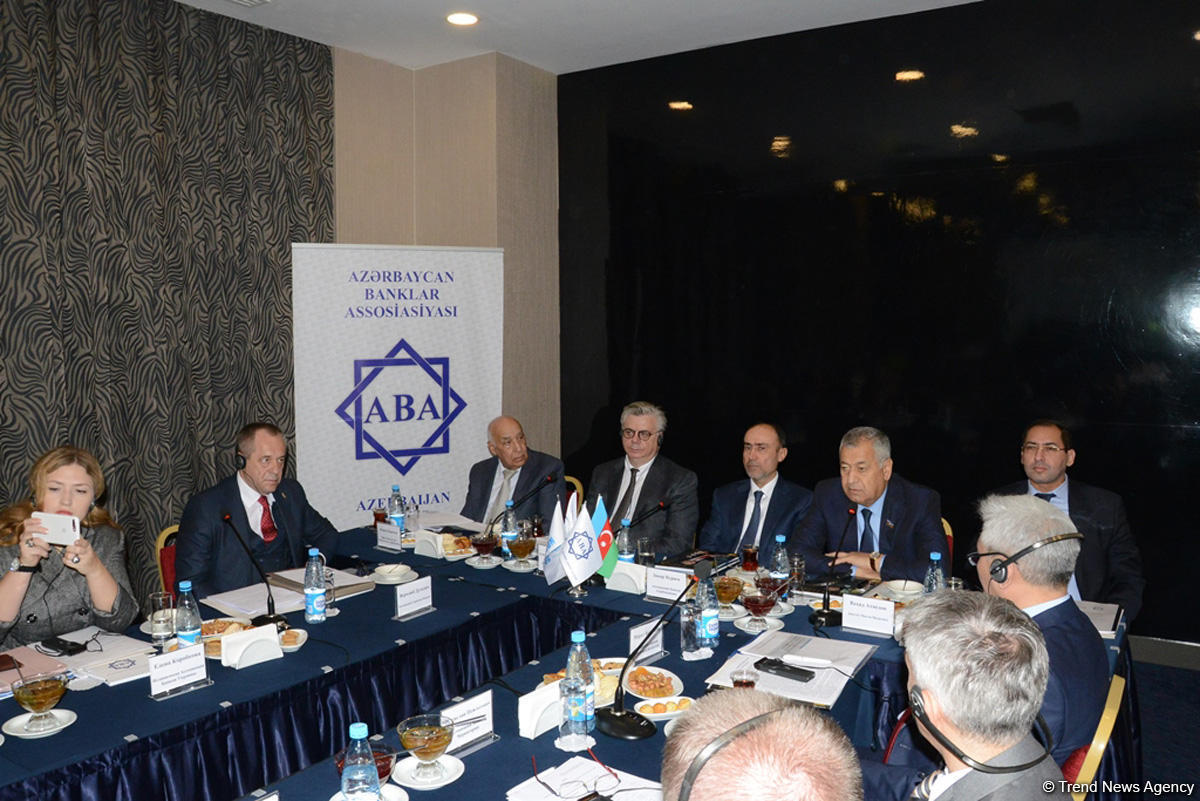
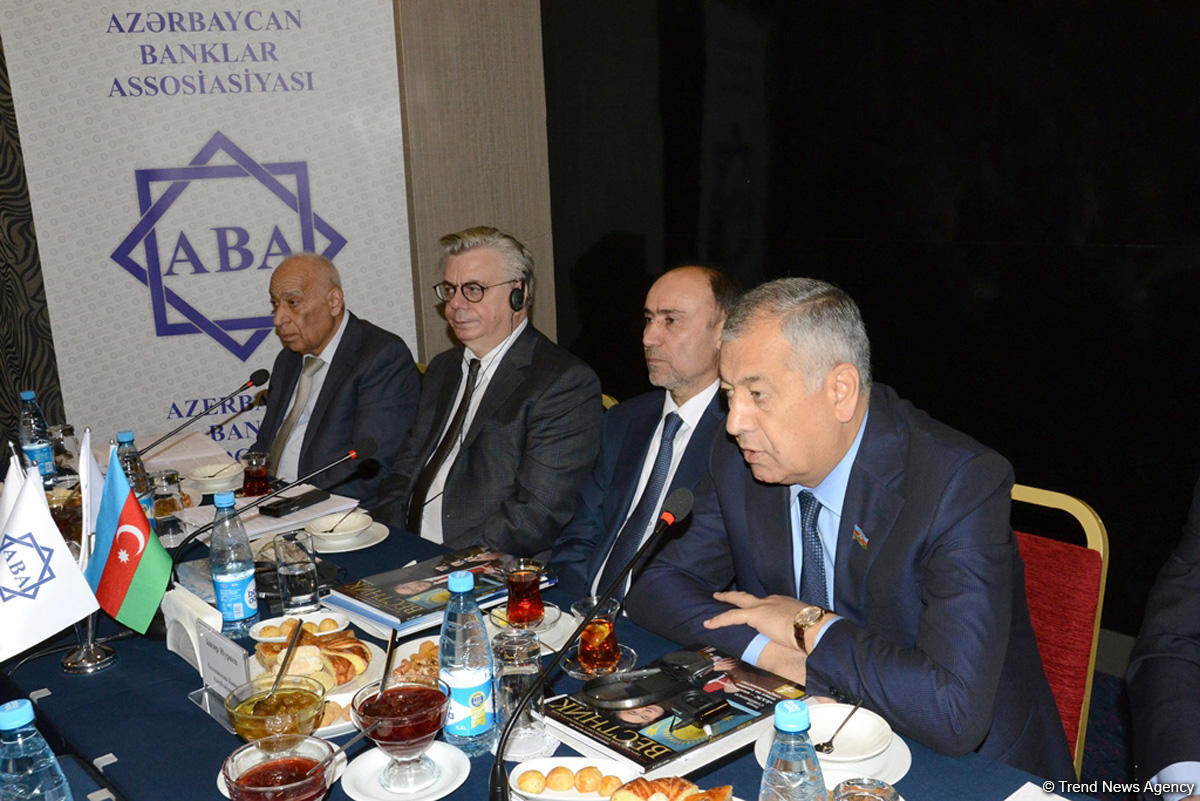
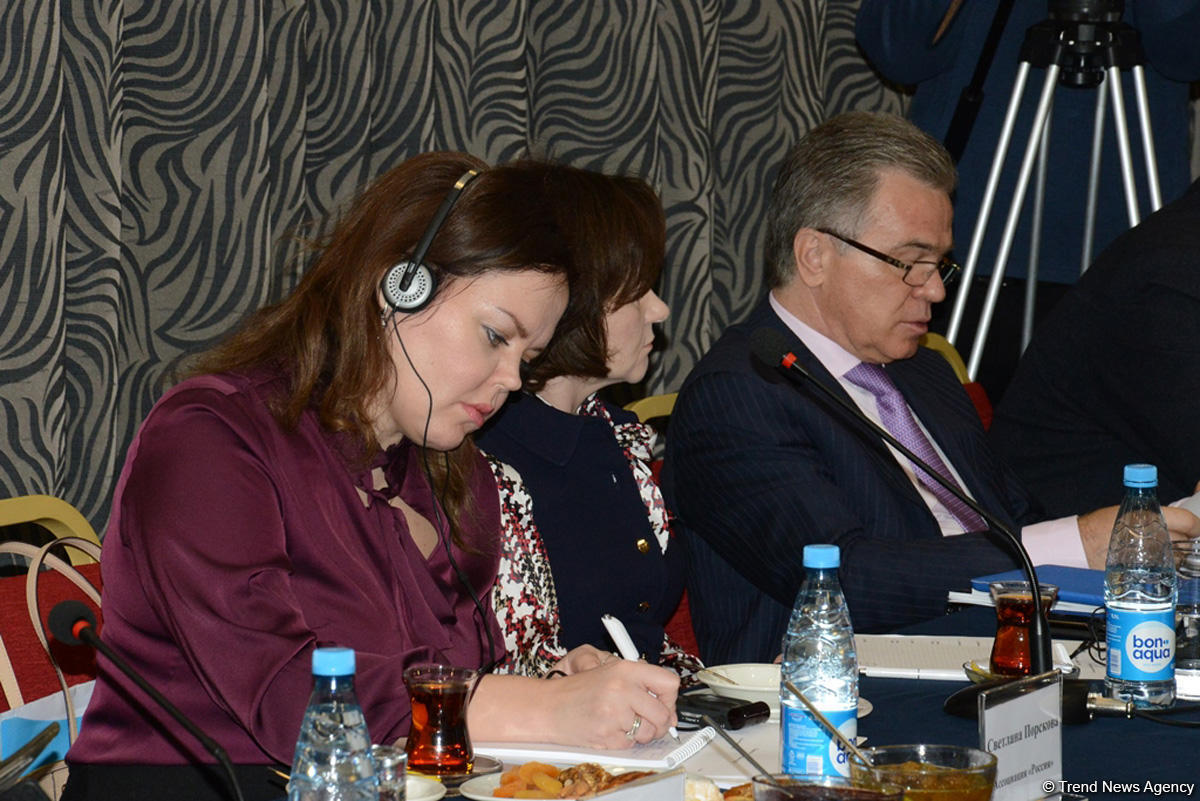
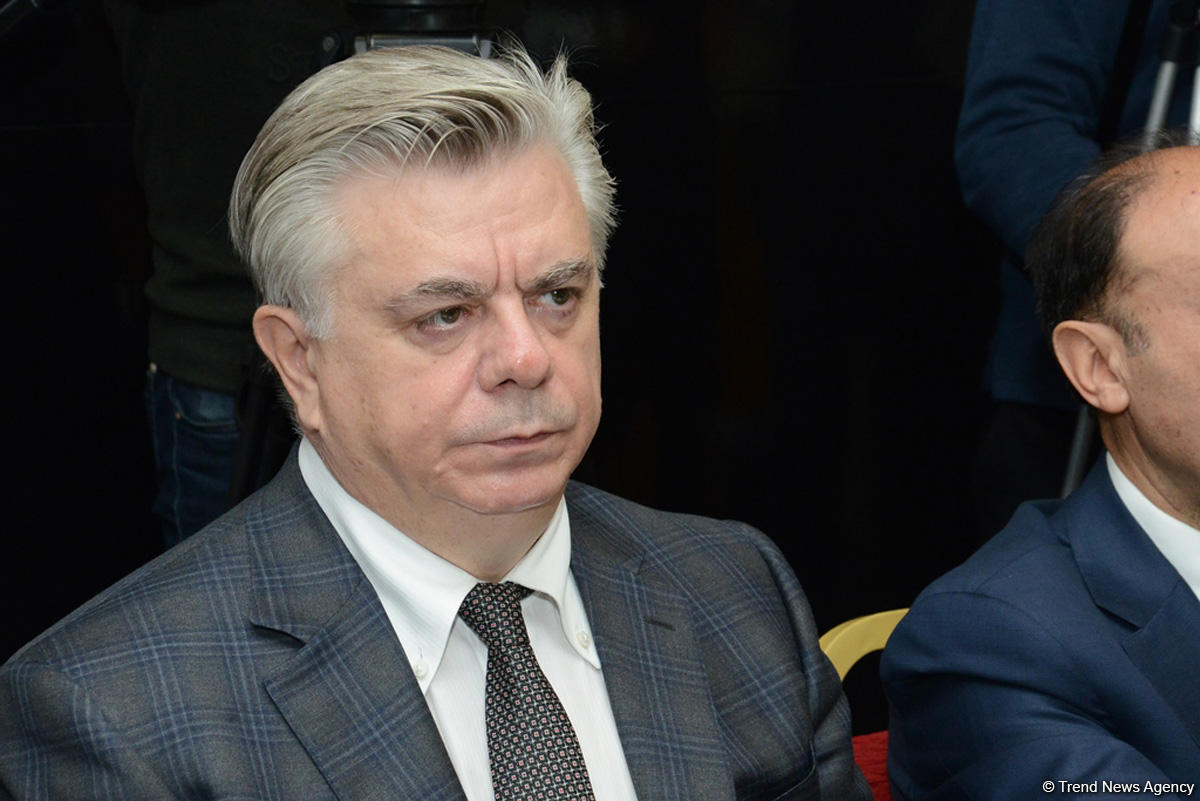
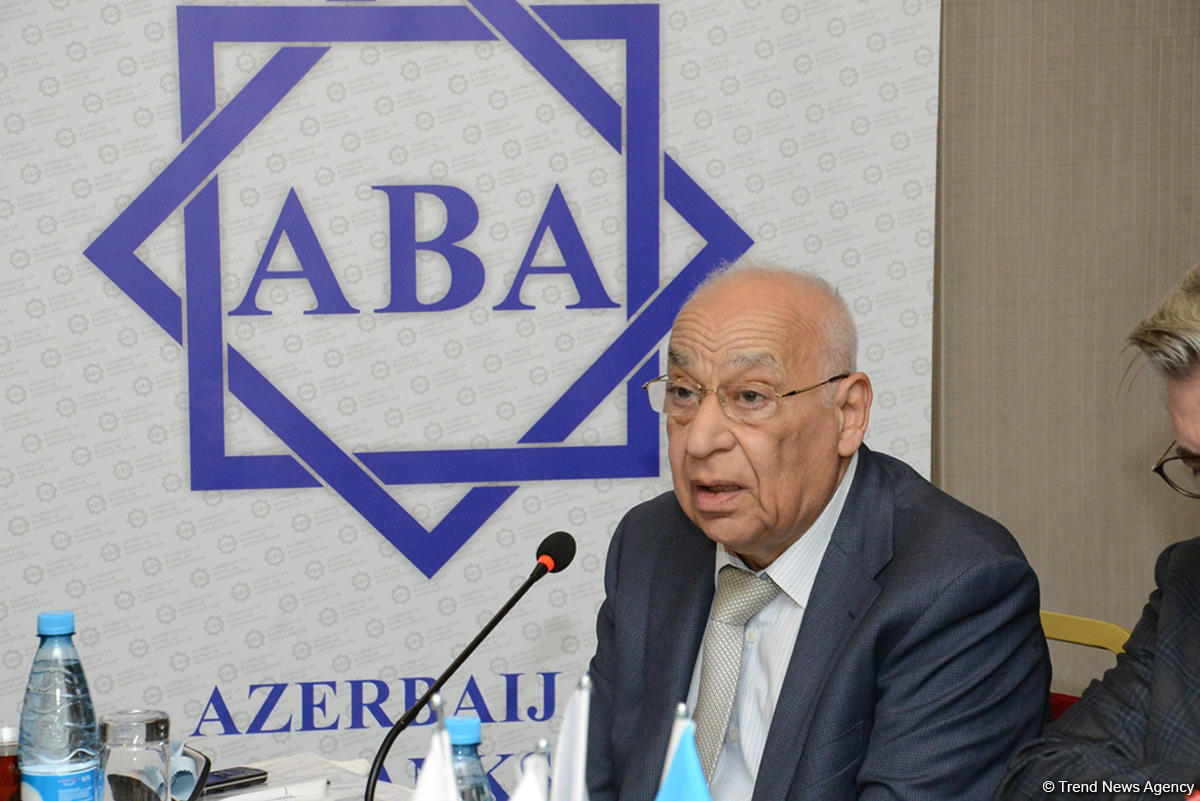
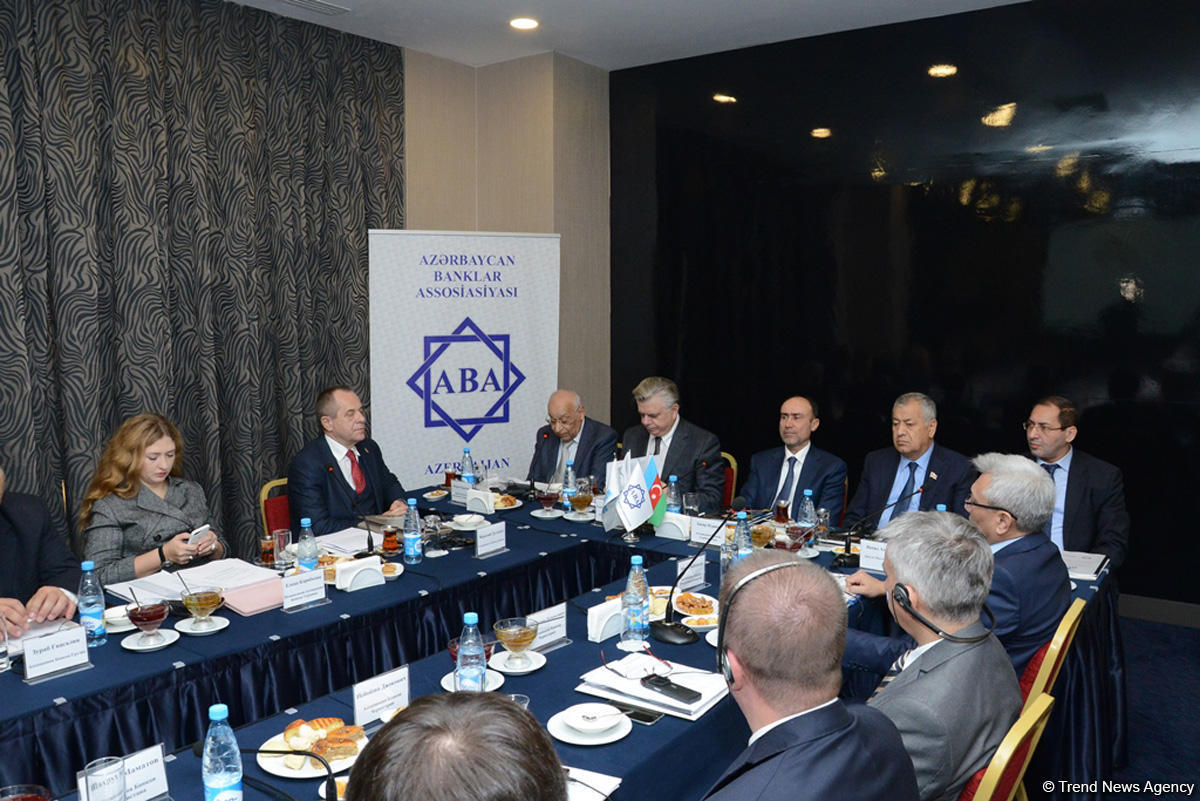
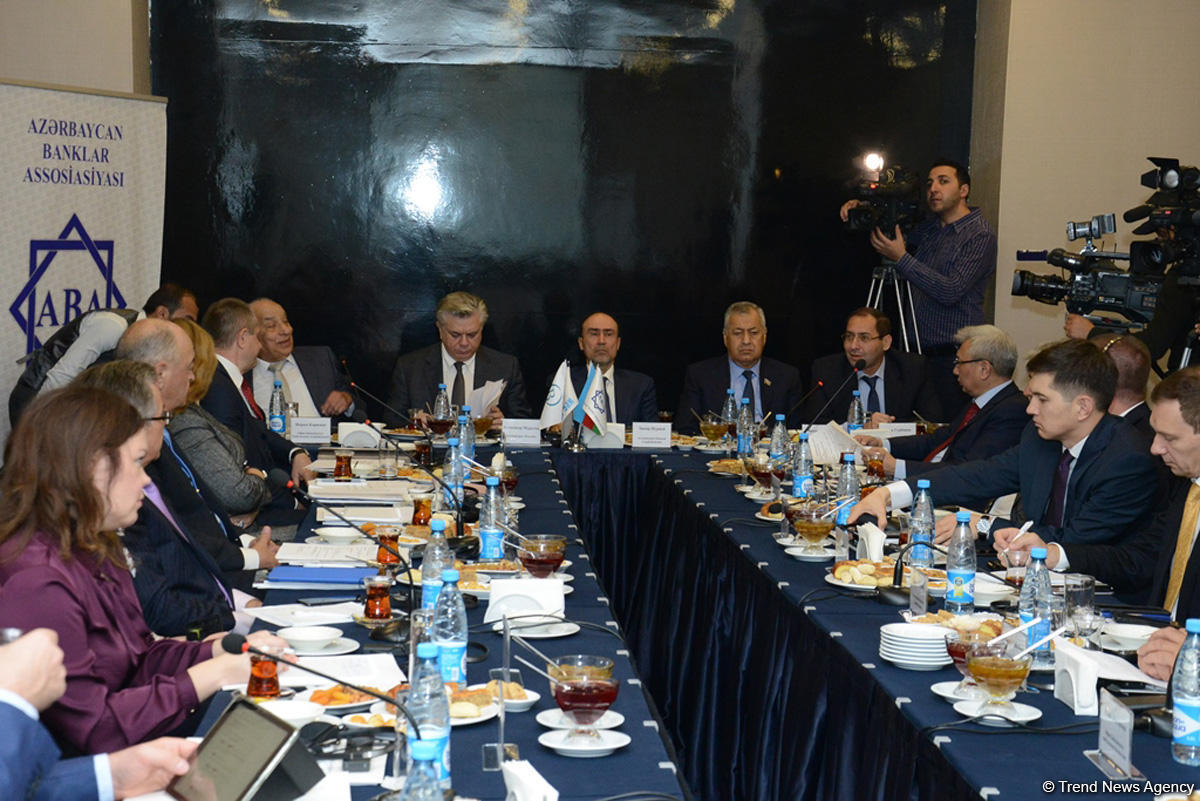
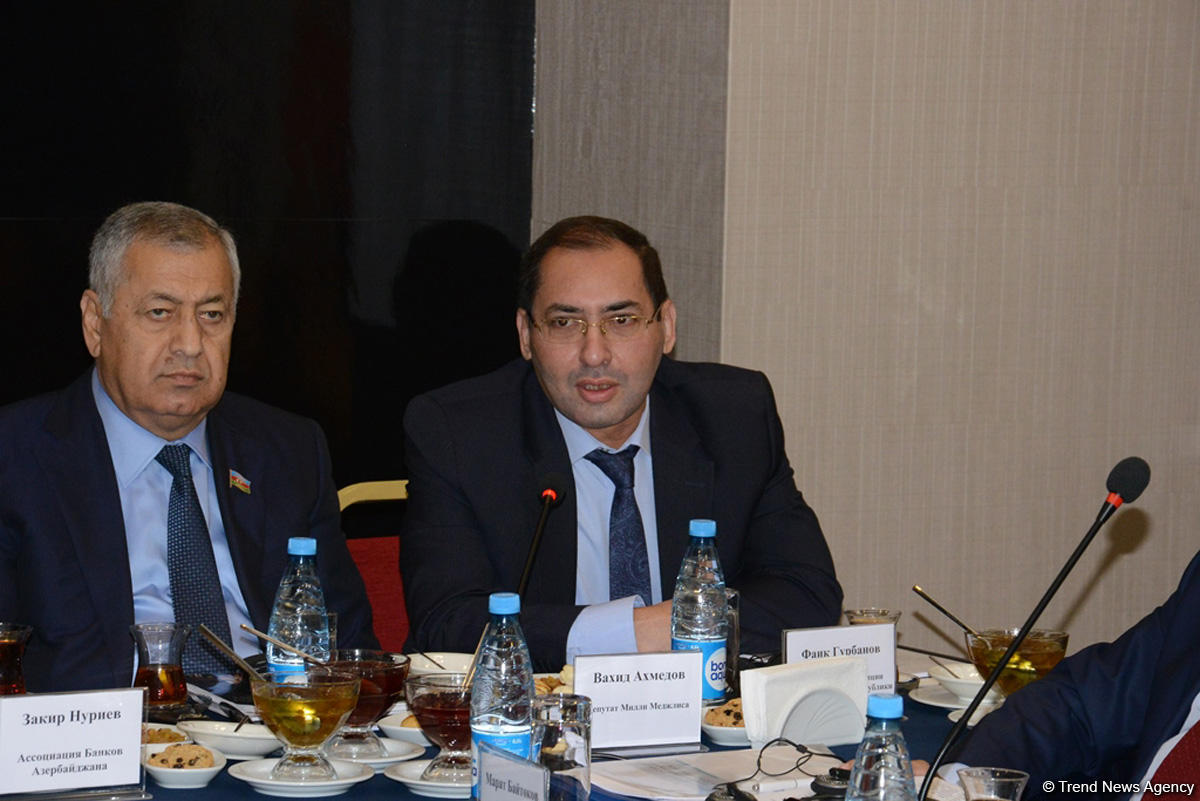
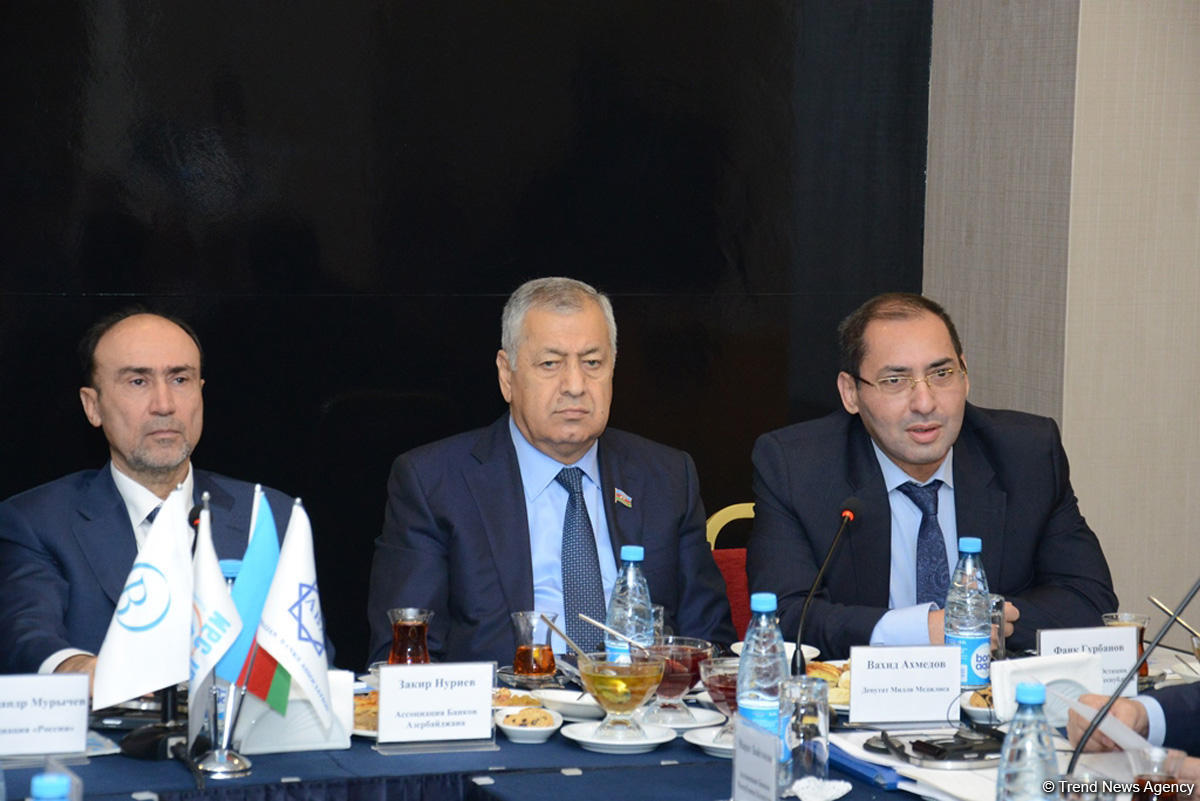
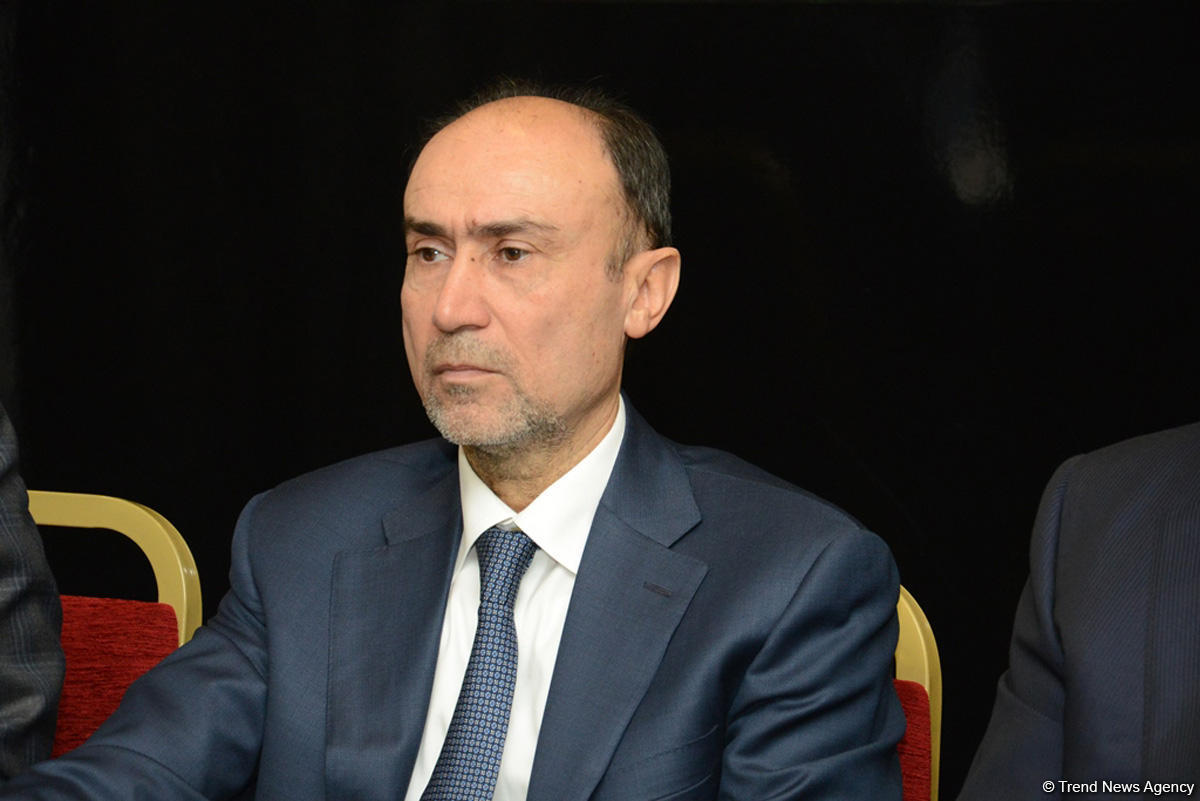
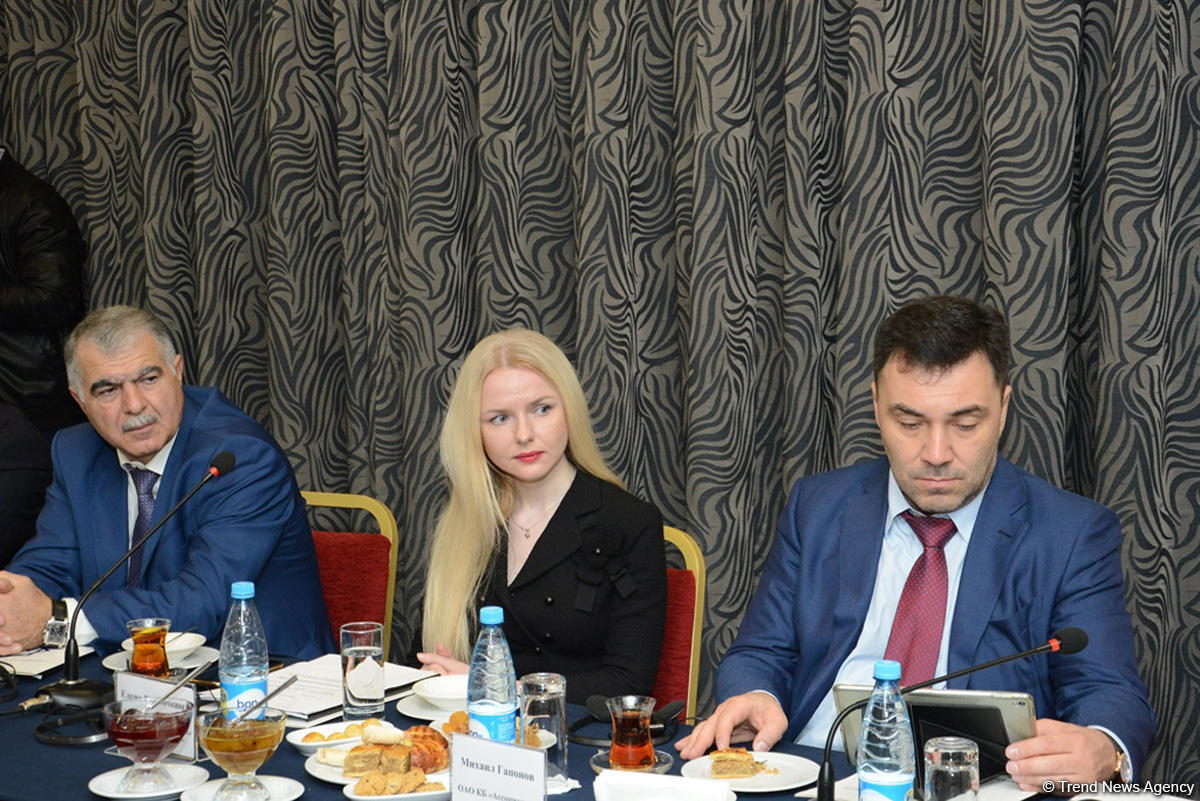
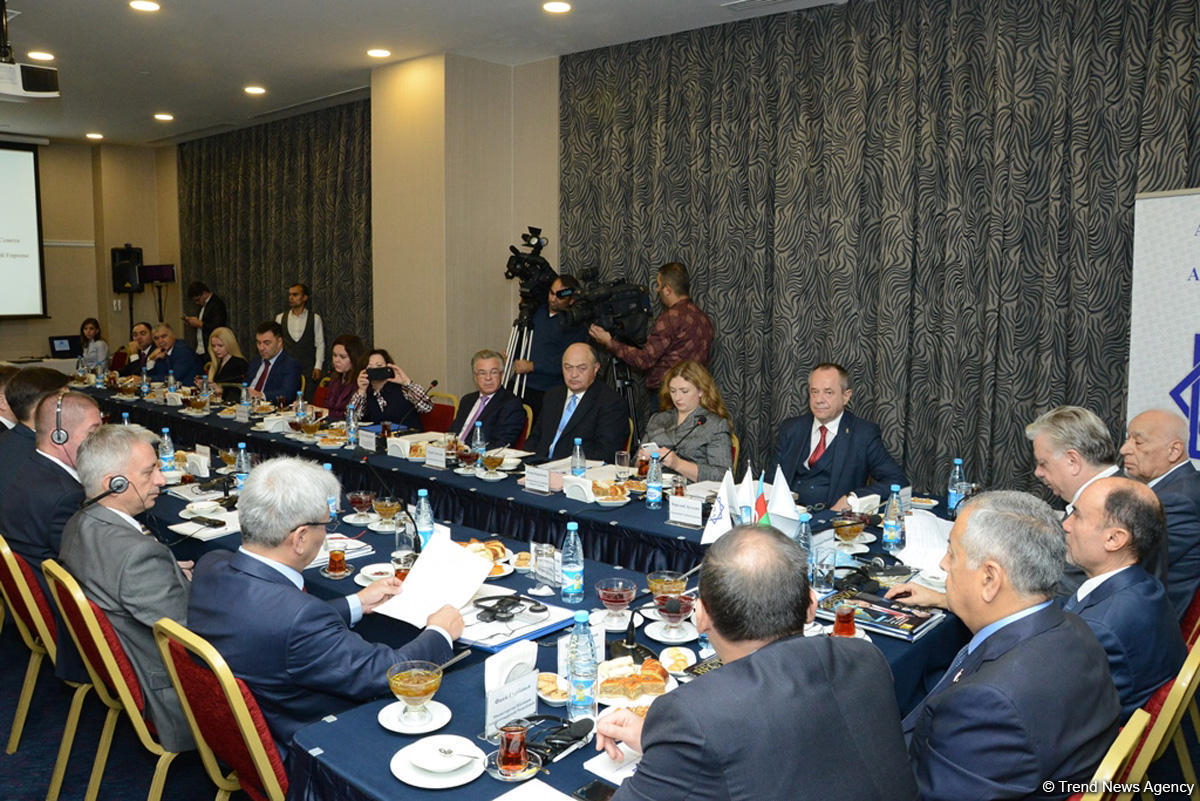
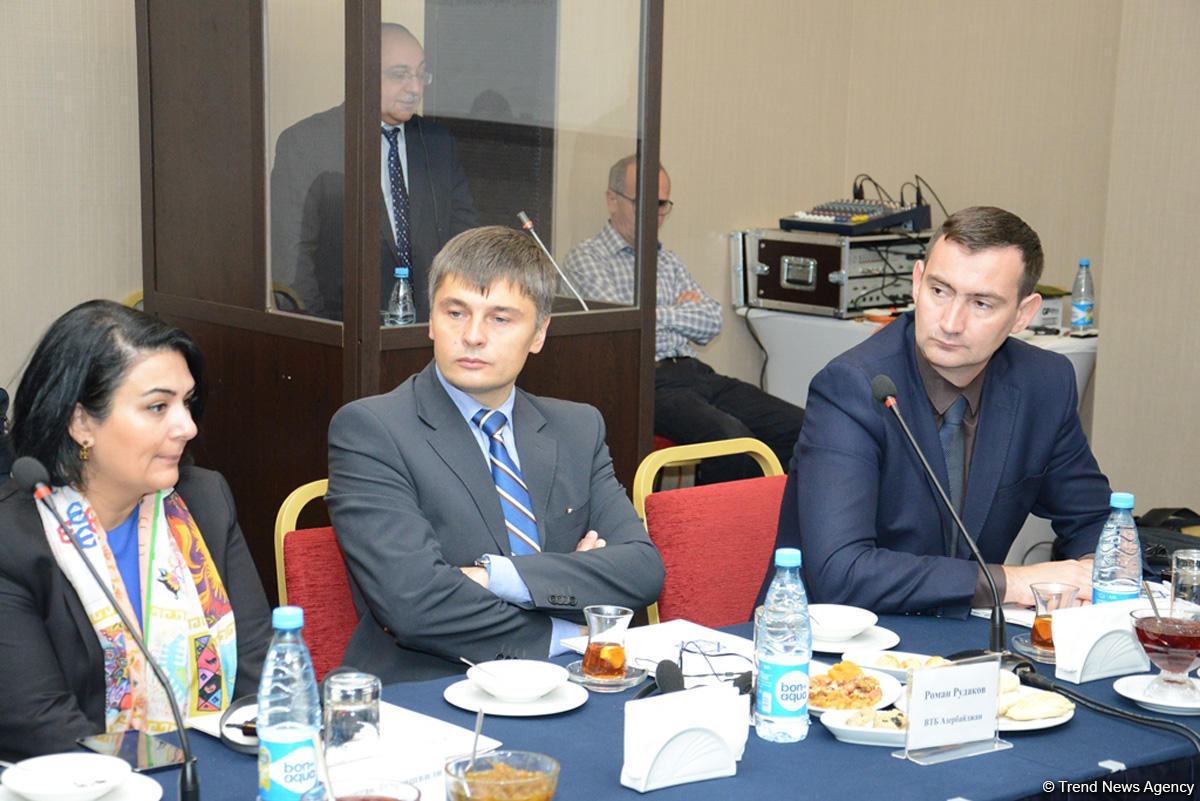
Baku hosted a meeting of the International Coordination Council of Banking Associations of the CIS, Central and Eastern Europe on October 26.
During the meeting, bankers of the CIS states, Georgia, Moldova, Montenegro, Serbia and other countries exchanged experience in the field of the activities of the Institute of Banking Ombudsman, as well as discussed other pressing issues of the financial sphere.
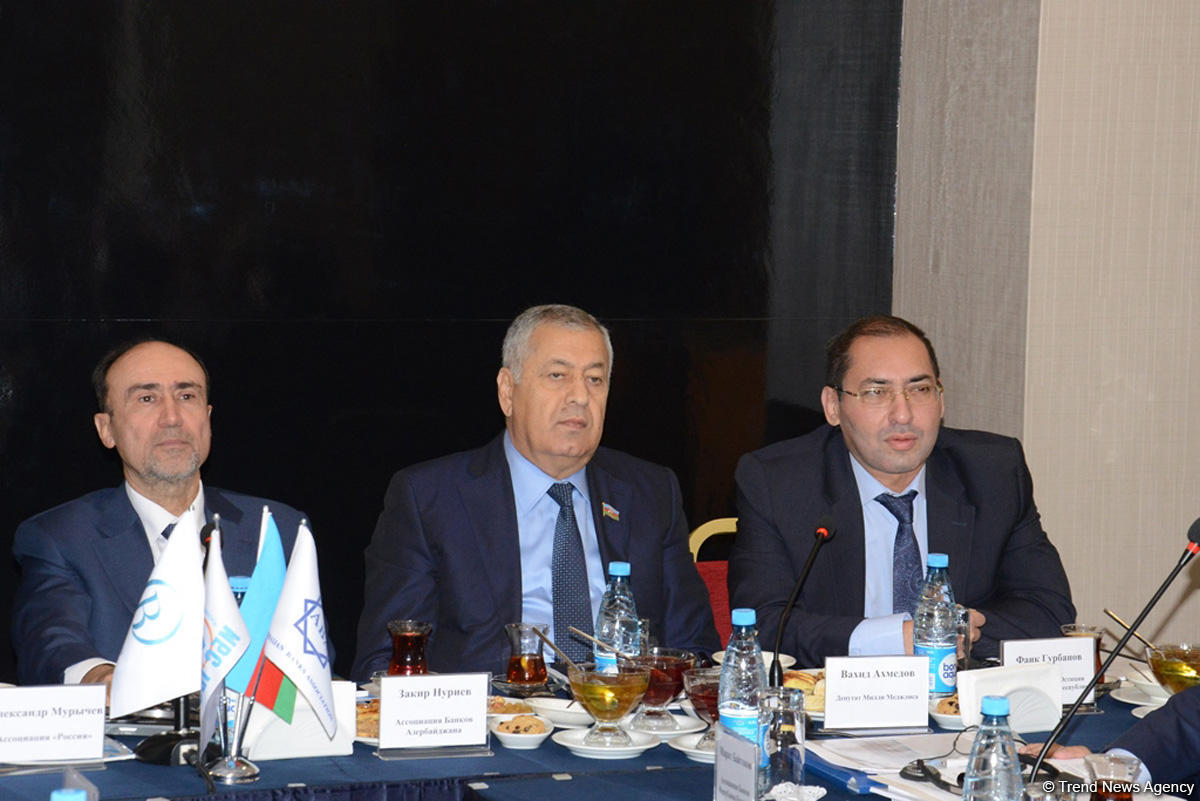
The establishment of a bank ombudsman is very important for building trustful relations between banks and their clients, Faig Gurbanov, head of the Human Rights and Public Relations Department of Azerbaijan’s Justice Ministry, said at the meeting.
The efficiency of the banking ombudsman will predetermine further development of the banking sector of Azerbaijan, according to official.
The Institute of Banking Ombudsman started functioning in Azerbaijan from September 2017 under the Association of Banks of Azerbaijan (ABA).
Bank ombudsman Ikram Kerimov believes that the quality of banking services in Azerbaijan in some cases leaves much to be desired.
"Frequenty, clients are dissatisfied with the illegal accrual of interest on loans, levying a commission for banking services, ordering mortgage loans and other issues," he said.
Quite often there is a situation when the client is not aware of all the conditions for obtaining a loan and later he makes new "discoveries" about its terms, which force him to apply later to the court, according to the ombudsman.
Zakir Nuriyev, head of the Azerbaijan Banks Association (ABA), told journalists on the sidelines of the event about the priorities for the development of Azerbaijan’s banking sector in 2018, which include increasing the volume of non-cash settlements, quality of banking services and their digitization.
He went on to add that the ABA forecasts a decrease in the volume of overdue loans in the country.
The association head reminded that since the beginning of the year the volume of overdue loans in the country has increased from $1.6 to $1.8 billion, but such growth was expected.
"After two devaluations in Azerbaijan [in February and December 2015] banks were forced to restructure most of their foreign currency loans. We understood that in time some of the restructured loans would become problem loans. And it happened, but we believe that in the future their volume will decrease," Nuriyev said.
He also touched upon the rumors about the possibility of writing off problem loans of the population, which is often discussed after devaluations and, consequently, the growth of problem loans.
Nuriyev stressed that debt relations between banks and their customers are formed on the basis of written contracts, which do not provide for the possibility of writing off loans.
"There is no such practice in any country of the world. There is no possibility of writing off problem loans," he added.
The International Coordination Council of Banking Associations of the CIS, Central and Eastern Europe, also called the International Banking Council, includes banking associations of Azerbaijan, Armenia, Belarus, Georgia, Kazakhstan, Kyrgyzstan, Moldova, Russia, Serbia, Tajikistan, Uzbekistan, Ukraine, Montenegro, as well as the Central and Eastern European Banking Association (BACEE), the CIS Financial and Banking Council and the Eurasian Economic and Financial Association (FBA EAS).
---
Kamila Aliyeva is AzerNews’ staff journalist, follow her on Twitter: @Kami_Aliyeva
Follow us on Twitter @AzerNewsAz

Here we are to serve you with news right now. It does not cost much, but worth your attention.
Choose to support open, independent, quality journalism and subscribe on a monthly basis.
By subscribing to our online newspaper, you can have full digital access to all news, analysis, and much more.
You can also follow AzerNEWS on Twitter @AzerNewsAz or Facebook @AzerNewsNewspaper
Thank you!