
Chinese stocks slump in Hong Kong as yuan plunges for second day
By Bloomberg
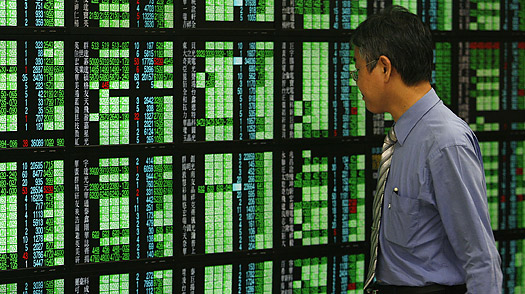
Chinese stocks slumped in Hong Kong, extending the world’s worst rout, after a second-day plunge by the nation’s currency increased concern that the nation’s economic slowdown is deepening.
The Hang Seng China Enterprises Index slid 2 percent to 11,039.77 at 10:43 a.m., extending its loss this quarter to 15 percent. The yuan dropped 1.6 percent in domestic trading, after the central bank set its reference rate 1.6 percent lower at 6.3306 per dollar. China Southern Airlines Co. headed for a record two-day loss as the cheaper currency boosts the cost of servicing dollar-based debt.
Surging volatility in the currency comes on the heels of a $4 trillion rout in mainland equity markets that sparked record selling by foreign investors. This week’s unexpected yuan devaluation will make the nation’s shares even less appealing to global money managers, according to Partners Capital International.
“The attraction of holding renminbi-based assets including shares, bonds and everything else decreases when the currency depreciates,” said Ronald Wan, chief executive at Partners Capital in Hong Kong.
A measure of credit risk for China climbed to a two-year high as the weaker, more flexible currency increases the cost of overseas borrowings.
The Shanghai Composite Index lost 1.1 percent. The CSI 300 Index dropped 0.9 percent. The Hang Seng Index in Hong Kong fell 1.5 percent.
Profit Impact
Airlines led declines in Hong Kong. China Southern sank 10 percent, extending yesterday’s 18 percent rout. China Southern says every 1 percent drop in the yuan cuts 767 million yuan ($122 million) from annual profit, according to the carrier’s analysis in its 2014 financial report. Air China Ltd. headed for its lowest close since March 28.
China Railway Group Ltd. paced losses by industrial companies before the release of factory output data on Wednesday.
The People’s Bank of China said Wednesday there’s no economic basis for the currency to keep devaluing, highlighting the nation’s current-account surplus and $3.65 trillion of foreign-exchange reserves. This week’s devaluation shows policy makers are now placing a greater emphasis on supporting exports, having previously been propping up the yuan to deter capital outflows, protect foreign-currency borrowers and encourage greater global usage.
Industrial Output
“The policy of weakening the yuan to boost exports may not be as effective because all other Asian currencies are competing,” Wan said. ’’Also, a weaker yuan means weaker consumption power and Chinese demand for foreign products and commodities will weaken.’’
Industrial production probably grew 6.6 percent in July from year-earlier levels, down from the previous month’s 6.8 percent, according to the median estimate of economists surveyed by Bloomberg. Retail sales likely rose 10.6 percent last month, unchanged from the previous month, while fixed-asset investment edged up.
Here we are to serve you with news right now. It does not cost much, but worth your attention.
Choose to support open, independent, quality journalism and subscribe on a monthly basis.
By subscribing to our online newspaper, you can have full digital access to all news, analysis, and much more.
You can also follow AzerNEWS on Twitter @AzerNewsAz or Facebook @AzerNewsNewspaper
Thank you!