
Kuroda says hard to see yen dropping more, spurring surge
By Bloomberg
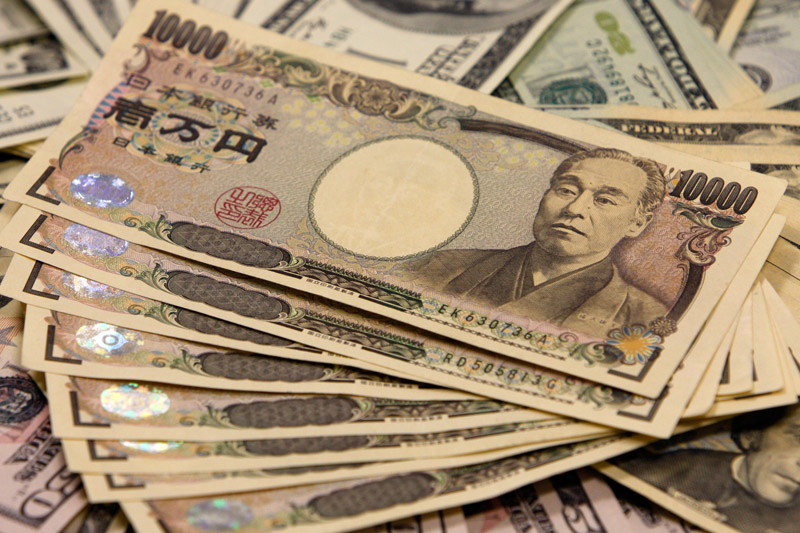
The yen headed for its biggest gain against the dollar this year after Bank of Japan chief Haruhiko Kuroda said it’s hard to see the currency falling more.
The yen’s exchange rate adjusted for inflation and trade with other nations has returned to levels it was at before the collapse of Lehman Brothers Holdings in 2008, Kuroda said.
“The yen is unlikely to weaken further in real effective terms if you think with common sense, given how far it has come,” he said in parliament Wednesday.
Thed comments underscore the view that policy makers in Japan aren’t seeking further depreciation in the yen, which has lost 11 percent since the BOJ boosted record monetary easing in October. With the currency punching through 125 to the dollar to a 13-year low this month, the economy and finance ministers have expressed concern about “abrupt” and “rough” moves in foreign exchange markets.
“Japanese officials clearly don’t like to see their currency moving in one direction too fast,” said Sue Trinh, senior currency strategist at Royal Bank of Canada in Hong Kong.
The yen surged as much as 1.7 percent versus the dollar after Kuroda spoke, and traded at 122.64 at 5:02 p.m. in Tokyo.
The newest member of the BOJ board, Yutaka Harada, said in an interview last week that the excessive strength in the yen that damaged Japanese manufacturing in recent years had now been corrected.
While the yen’s 31 percent slump against the greenback since Prime Minister Shinzo Abe came to office in December 2012 has boosted profits among large exporters, it has also increased costs for importers and undercut the purchasing power of Japanese consumers.
Near Limit
Hiroshi Watanabe, a former currency chief at Japan’s finance ministry, said Tuesday that the yen was near the edge of a “tolerable range.” It was unlikely to weaken to 130 per dollar this year, even if the U.S. Federal Reserve raises interest rates, said Watanabe, who is now chief executive officer at the Japan Bank for International Cooperation.
Japan and the U.S. should refrain from intervening in the currency markets verbally or physically, said Watanabe, who was vice minister of finance for international affairs from 2004 to 2007.
Such actions distort the market and invite some negative effects and don’t have a lasting effect, he said. Japan didn’t intervene while he was in charge of foreign exchange policy.
Here we are to serve you with news right now. It does not cost much, but worth your attention.
Choose to support open, independent, quality journalism and subscribe on a monthly basis.
By subscribing to our online newspaper, you can have full digital access to all news, analysis, and much more.
You can also follow AzerNEWS on Twitter @AzerNewsAz or Facebook @AzerNewsNewspaper
Thank you!