
EU stops Hungary’s nuclear pact with Russia in setback for Orban
By Bloomberg
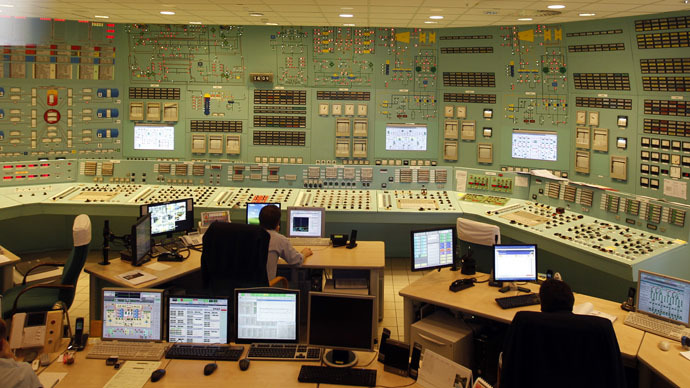
The European Union blocked Hungary’s 12 billion-euro ($12.7 billion) nuclear expansion deal with Russia, highlighting Prime Minister Viktor Orban’s challenge in maintaining close ties to the Kremlin while observing EU rules.
The European Commission, the EU’s executive arm, supports the European Atomic Energy Community’s refusal to approve Hungary’s plans to import nuclear fuel exclusively from Russia, according to two people familiar with the plans who asked not to be named because the decision has yet to be announced.
Orban agreed the deal with Russia to expand the Paks nuclear plant during a meeting with President Vladimir Putin last year, scrapping plans for competitive bids for the biggest Hungarian public contract in a generation. Hungary’s parliament last week classified information relating to the nuclear deal for 30 years, sparking an outcry from the opposition that the move was a cover for corruption.
The cabinet is in “intensive talks with the European Union” over the nuclear deal and is confident it will reach “an agreement that’s acceptable for the European Commission and also serves Hungary’s interests,” Janos Lazar, the minister in charge of the prime minister’s office, told Kossuth radio on Friday. Lazar said Euratom wants Hungary to diversify the supply chain for Paks.
Under the deal, Russia agreed to provide 10 billion euros for the project in a 30-year loan at below-market rates.
The agreement has become a symbol of warming relations between Hungary and Russia at time when Putin has grown increasingly isolated from the rest of the European Union amid accusations that his country is providing support for pro- Russian separatists in Ukraine.
The nuclear deal is opposed by 60 percent of Hungarians, according to a poll by Median, commissioned by Greenpeace and published on Feb. 16 on the environmental organization’s website.
“Our expectation is that following intensive negotiations the fuel supply contract will be finalized in line with Euratom requirements in a matter of weeks,” Hungarian government spokesman Zoltan Kovacs told reporters in Budapest on Friday.
Here we are to serve you with news right now. It does not cost much, but worth your attention.
Choose to support open, independent, quality journalism and subscribe on a monthly basis.
By subscribing to our online newspaper, you can have full digital access to all news, analysis, and much more.
You can also follow AzerNEWS on Twitter @AzerNewsAz or Facebook @AzerNewsNewspaper
Thank you!