
What will the weather do in 2015? Weathermen see El Nino risks
By Bloomberg
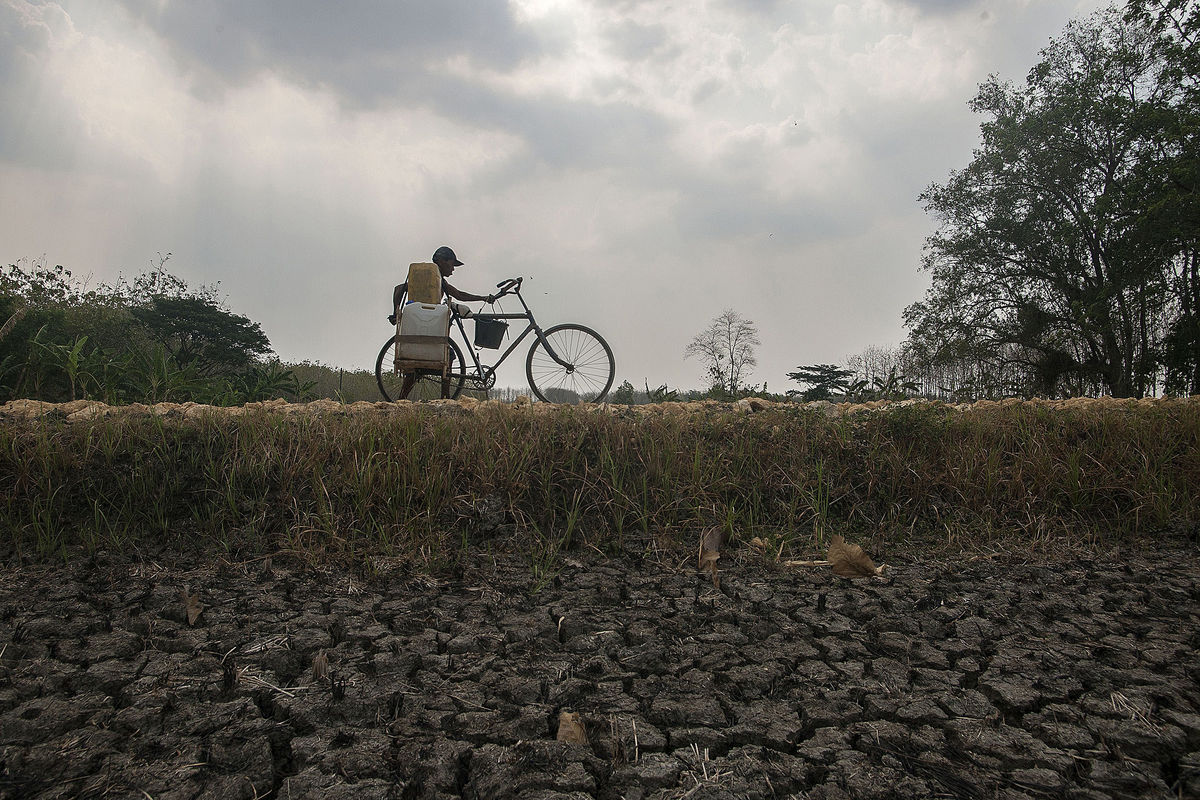
Forecasters in Australia and New Zealand warned today of the possible onset of an El Nino, reviving concern the weather pattern that can bring drought to parts of Asia may return for the first time since 2010.
Tropical Pacific temperatures have exceeded El Nino levels for a month and the Southern Oscillation Index, or SOI, has remained at or near thresholds for three months, Australia’s Bureau of Meteorology said in a statement today. Patterns are consistent with a weak event developing, New Zealand’s National Institute of Water & Atmospheric Research said separately.
El Ninos, caused by periodic warmings of the Pacific, can roil agricultural markets worldwide as farmers contend with drought across parts of Asia or too much rain in South America. Palm oil, cocoa, coffee and sugar are among crops most at risk, according to Goldman Sachs Group Inc. Forecasters, including scientists from Australia, raised the possibility of an El Nino developing earlier this year, before tempering their outlook as conditions for the event didn’t develop.
“Further warming of the tropical Pacific Ocean is likely, so it also remains possible that the ocean and atmosphere will fully couple in the coming weeks to months,” Australia’s bureau said in the fortnightly update. “If an El Nino is established, models suggest it will be weak, or moderate at best.”
While some indicators are close to or exceed thresholds, others have remained near-average or only temporarily approached El Nino levels, Australia’s bureau said. That indicates the interaction between the ocean and atmosphere required for an El Nino to be declared may not be fully locked in, it said, maintaining an alert that indicates at least a 70 percent chance that an event will be declared in the coming months.
Weak Event
“Some -- but importantly not all -- atmospheric indicators also show patterns consistent with the development of a weak El Nino,” the New Zealand institute said. International guidance indicates that the chance of an El Nino developing between December and February is about 75 percent, it said.
El Ninos, caused by periodic warmings of the tropical Pacific, occur every two to seven years and are associated with warmer-than-average years. The last El Nino was from 2009 to 2010, and the Pacific has either been in its cooler state, called La Nina, or neutral since then.
The SOI, which indicates the development and intensity of El Nino or La Nina events, has remained between minus 11 and minus 7 over the past fortnight and the latest 30-day value to Nov. 30 is minus 10, the Australian bureau said. Sustained negative values below minus 8 may indicate an El Nino.
Here we are to serve you with news right now. It does not cost much, but worth your attention.
Choose to support open, independent, quality journalism and subscribe on a monthly basis.
By subscribing to our online newspaper, you can have full digital access to all news, analysis, and much more.
You can also follow AzerNEWS on Twitter @AzerNewsAz or Facebook @AzerNewsNewspaper
Thank you!