
BP says 'static kill' to stop oil leak was successful
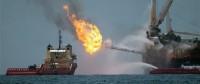
LONDON – BP says the "static kill" of its ruptured Gulf of Mexico oil well has worked, a big step towards sealing it.
In the procedure, special drilling fluid known as mud is pumped into the well, forcing the oil back down.
BP said well pressure was being controlled by the hydrostatic pressure of the drilling mud, which was "the desired outcome".
The well is being monitored, and further pumping of mud could be necessary, it added.
BP began pumping mud into the well from vessels on the surface at 2000 GMT on Tuesday, in order to counter the pressure from the oil pushing out of the reservoir below the seabed.
BP spokeswoman Sheila Williams said the drilling mud was currently holding the oil down.
The company could eventually seal the mouth of the well with cement.
The US government says the well leaked 4.9 million barrels of oil before being capped last month, with only 800,000 barrels being captured.
The government is expected to announce on Wednesday that about three-quarters of the leaked oil has already evaporated, dispersed, or been captured, the New York Times reported.
Only 26% of the oil released was still in the water or onshore in a form that possibly could cause new problems, the newspaper said, but most of that is a light sheen at the surface or has dispersed below the surface, and federal scientists believe that it is breaking down rapidly.
The well ruptured after an explosion on a drilling rig in April which killed 11 workers. The flow ended on 15 July, when BP closed a new cap it had put on the well.
Here we are to serve you with news right now. It does not cost much, but worth your attention.
Choose to support open, independent, quality journalism and subscribe on a monthly basis.
By subscribing to our online newspaper, you can have full digital access to all news, analysis, and much more.
You can also follow AzerNEWS on Twitter @AzerNewsAz or Facebook @AzerNewsNewspaper
Thank you!