
China stocks surge to three-year high as dollar gains; oil falls
By Bloomberg
China’s Shanghai Composite Index topped 3,000 for the first time in three years as the country reported a record trade surplus. Crude oil dropped toward a five-year low while emerging-market currencies were weaker against the dollar after a U.S. jobs report beat all estimates.
The Shanghai Composite jumped 2.7 percent by 3:15 p.m. in Tokyo as the CSI 300 Index climbed a 12th day, the longest streak ever, as shrinking imports trailed exports by $54.47 billion. The MSCI Asia Pacific Index swung between gains and losses. Oil in the U.S. and London was down at least 1.1 percent, with West Texas Intermediate crude headed for its lowest close since July 2009. The greenback touched a more-than seven-year high of 121.85 yen and climbed against the currencies of New Zealand, Malaysia, Indonesia and South Korea.
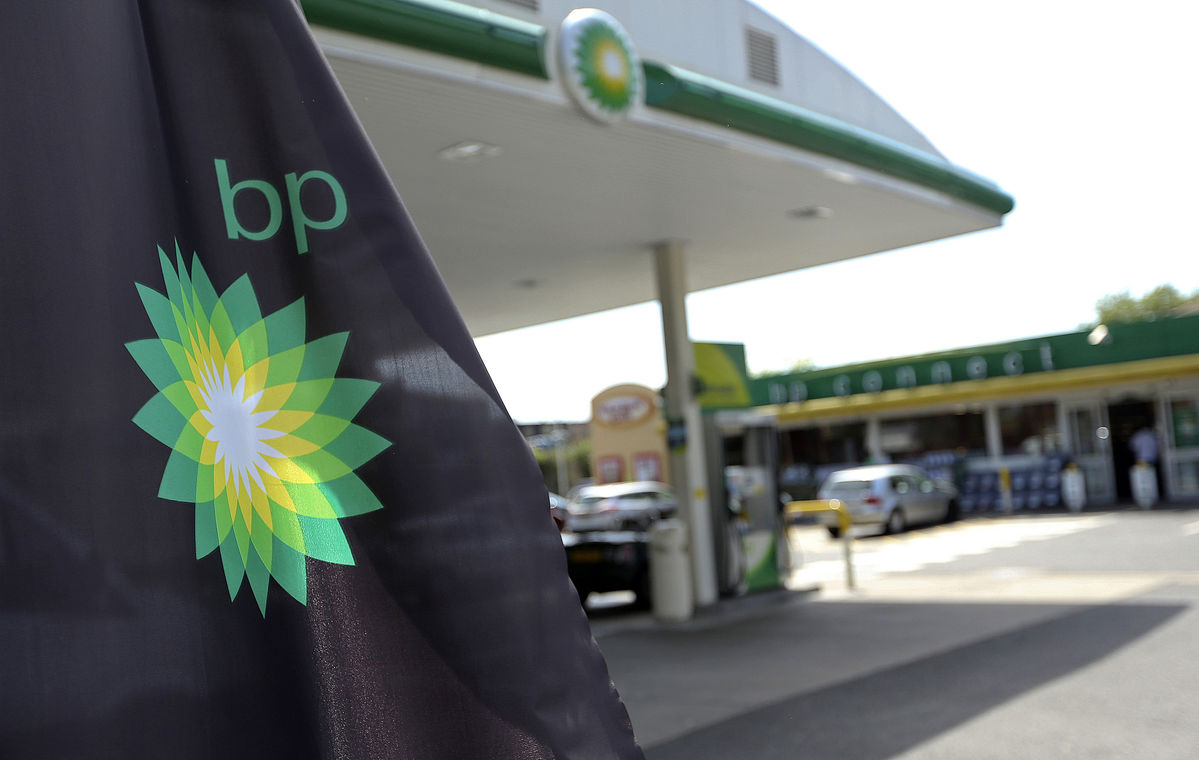
Investors must consider risks while putting money into stocks, China’s securities regulator warned yesterday after a buying spree fueled a 21 percent rally in the Shanghai Composite over the past month, the most among 93 global indexes tracked by Bloomberg. BP Plc will cut jobs and freeze certain projects amid oil’s slump into a bear market, the Sunday Times reported, citing an interview with Chief Financial Officer Brian Gilvary. The 321,000 worker increase in U.S. nonfarm payrolls topped every economists’ projection.
China’s rally is “mind-boggling,” said Khiem Do, who helps oversee about $60 billion as Hong Kong-based head of Asian multi-asset strategy at Baring Asset Management Ltd. “It’s a little bit crazy, a little bit over the top, but when does China ever not do anything over the top? There’s a lot of savings, and we heard there’s some leverage going in to the A-share market as well, so it’s a massive amount of savings which can be used to move in to the market.”
Invest Rationally
The Shanghai Composite surged after falling as much as 2 percent in early trading. The 14-day relative strength index for the measure rose to 93 today, the highest since at least 1994, where readings above 70 are interpreted by some investors as signaling stocks have risen too far, too fast.
The benchmark index for mainland China’s biggest market swung by 165 points on Dec. 5, the most since 2010. The value of shares traded on China’s two main venues peaked at 1.05 trillion won ($170 billion) that day, seven times this year’s average value of common stock traded on the New York Stock Exchange.
Illegal activities including stock manipulation have recently been “raising their head” and investors should invest rationally, Deng Ge, a spokesman for the China Securities Regulatory Commission, said in a statement on the agency’s website published after the close of regular trading on local exchanges last week. A stable market is important for the economy, Ge said.
Hang Seng
The Hang Seng Index climbed 0.4 percent in Hong Kong, while a gauge of Chinese shares in the city added 2.3 percent, taking its surge in the last three days to 7.4 percent.
Exports rose 4.7 percent year on year in November, down from 11.6 percent in October and missing an estimate for 8 percent growth. Imports fell 6.7 percent, down from 4.6 percent growth previously.
China’s surging stock market may persuade the central bank to delay a cut to banks’ required reserve ratios, according to economists from Deutsche Bank AG and Bank of America Corp.
“China exports and imports both disappointed, but the latter disappointed more, and I think what that does is it’s going to feed fears of a deeper slowdown,” said Todd Elmer, a strategist at Citigroup Inc. in Singapore. “Policy divergence between the Federal Reserve and other major central banks has been one of the major drivers of dollar appreciation.”
Kiwi Slumps
The Bloomberg Dollar Spot Index, which tracks the U.S. currency against 10 trading partners, rose less than 0.1 percent to 1,122.81, set for the highest close since March 2009.
New Zealand’s dollar weakened 0.7 percent to 76.57 U.S. cents, the lowest since June 2012. China is the country’s biggest trading partner. Australia’s currency weakened 0.4 percent to 82.86 U.S. cents, a four year low.
An index tracking 20 key emerging-market exchange rates is flirting with lows last seen more than a decade ago, down 9.9 percent this year in what would be the biggest annual slide since 2008.
Malaysia’s ringgit tumbled 0.9 percent to 3.5040, trading at its weakest level since 2009. Volatile global oil prices make it hard to say if further upside for the dollar versus the ringgit is constrained even with ringgit sell positions already at elevated levels, Bank of Tokyo-Mitsubishi UFJ writes in note today.
WTI, Brent
WTI for January delivery dropped as much as $1.21 to $64.63 a barrel in electronic trading on the New York Mercantile Exchange before trading at $65.11. The contract slid 97 cents to $65.84 on Dec. 5, the lowest close since July 2009.
Brent for January settlement declined as much as $1.34 to $67.73 a barrel on the London-based ICE Futures Europe exchange. Prices lost 57 cents to $69.07 on Dec. 5, the lowest since October 2009.
Foreign-debt levels of companies in emerging markets from China to India and Brazil are underestimated as firms use offshore affiliates to raise funds, threatening financial stability, the Bank for International Settlements said.
In the U.S., November marked the 10th straight month that employment has risen by at least 200,000, the longest such stretch since the 19 months the ended in March 1995. The median estimate in a Bloomberg survey was for a 230,000 increase in November payrolls, with the highest projection 306,000. The U.S. jobless rate held at a six-year low of 5.8 percent.
Fed Meeting
The Federal Reserve, which meets next week for the last time in 2014, has been examining employment data as policy makers assess when to start raising key interest rates from near zero.
“After digesting the positive U.S. employment data and the weaker yen, the market could trade cautiously as it eyes the possibility of higher U.S. interest rates,” Shoji Hirakawa, chief equity strategist at Okasan Securities Co. in Tokyo, said by phone. “The consensus for U.S. rate hikes is currently mid- next year, but that could begin to be brought earlier.”
Australia’s S&P/ASX 200 Index climbed 0.7 percent, with a a subindex of financial shares adding 0.9 percent and more than half of the benchmark’s net gain. The nation’s biggest banks rallied amid speculation they will have no difficulty in raising as much as A$30 billion ($25 billion) in fresh capital after a government inquiry said lenders should have “unquestionably strong” reserves.
“The banks are in a strong position to increase their capital,” David Ellis, a Sydney-based analyst at Morningstar Inc., said by phone. He estimates the four biggest lenders will add A$10.5 billion in common equity Tier 1 capital through retained earnings and dividend reinvestment plans in fiscal 2015 and A$12 billion the following year.
Here we are to serve you with news right now. It does not cost much, but worth your attention.
Choose to support open, independent, quality journalism and subscribe on a monthly basis.
By subscribing to our online newspaper, you can have full digital access to all news, analysis, and much more.
You can also follow AzerNEWS on Twitter @AzerNewsAz or Facebook @AzerNewsNewspaper
Thank you!