
Emerging stocks decline with currencies on Greece; ruble weakens
By Bloomberg
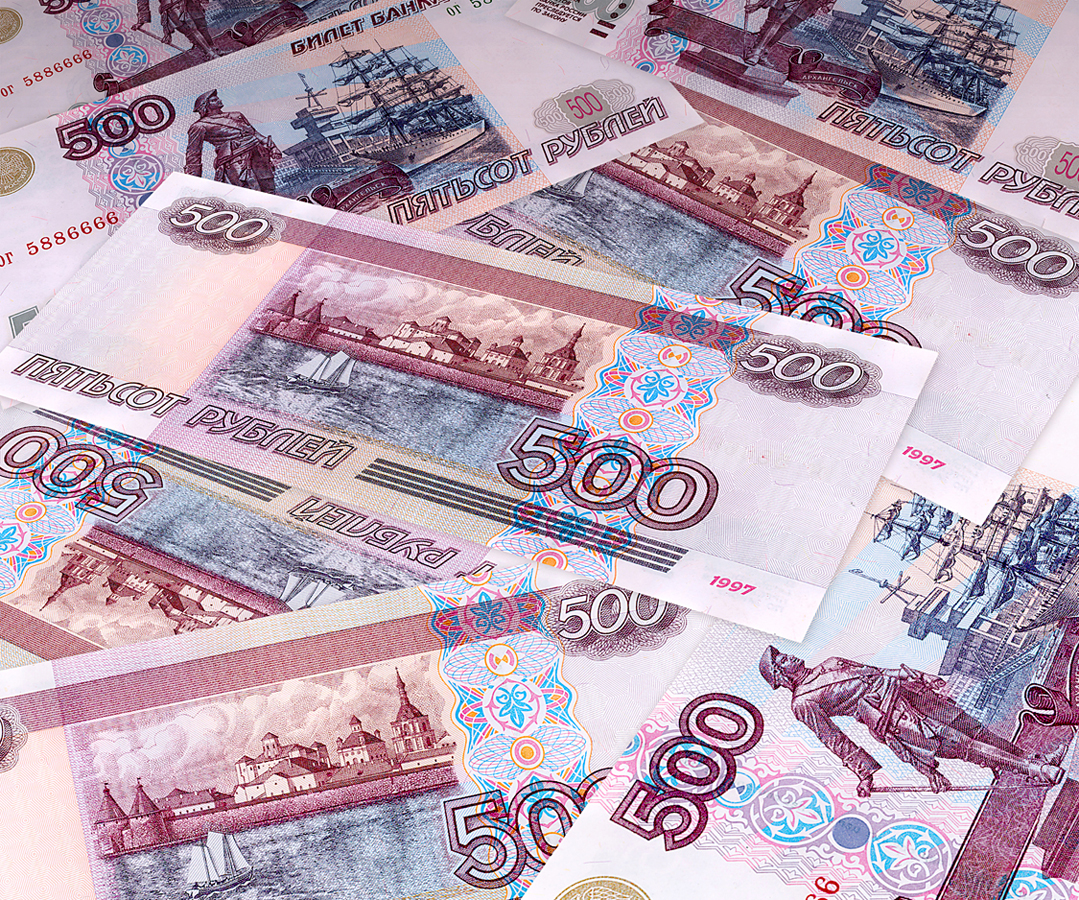
Emerging-market stocks fell for a third day and currencies slid as speculation that Greece may exit the European currency union reduced demand for riskier assets. Russia’s ruble weakened to a two-week low after oil slumped.
Taiwan Semiconductor Manufacturing Co. sank 1.1 percent in Taipei, the biggest drag on the developing-nation measure. Dubai’s DFM General Index led losses for Gulf equity gauges as oil dropped to a 2009 low. The ruble tumbled 4.4 percent, while Malaysia’s ringgit slumped to a five-year low. Chinese shares rallied for their best start in 22 years.
The MSCI Emerging Market Index slid 0.6 percent to 947.66 at 8:12 a.m. in London. Greek elections this month may determine the fate of the nation’s membership in the euro currency area, with Der Spiegel magazine reporting that German Chancellor Angela Merkel is ready to accept a Greek exit. The euro weakened to the lowest level since March 2006.
“The situation in Greece reinforces the view of some investors to leave emerging-market assets and raise their bets on the recovery of the U.S. economy,” Jeffrosenberg Tan, a fund manager at PT Sinarmas Asset Management, said in Jakarta.
The developing-nation measure has fallen 0.8 percent since the start of the year and trades at 11-times 12-month projected earnings, data compiled by Bloomberg show. The MSCI World Index has lost 0.6 percent and trades at a multiple of 15.4.
Industry Groups
Nine out of 10 industry groups in the emerging-markets gauge fell, led by telecommunication shares and utilities. Taiwan Semiconductor, the world’s largest contract manufacturer of chips, slid the most since Dec. 17. The Taiex Index lost 0.4 percent as the island’s currency sank to a 2010 low.
The euro lost 0.5 percent after touching its weakest level since March 2006. Greece Prime Minister Antonis Samaras said a victory for the main opposition Syriza party would cause default and Greece’s exit from the 19-member euro region, while Syriza leader Alexis Tsipras said his party would end German-led austerity.
The FTSE Bursa Malaysia KLCI Index dropped 0.9 percent and the ringgit slid 0.6 percent. Equity measures in Thailand, South Korea and Indonesia dropped at least 0.4 percent as their currencies declined.
The ruble weakened on its first trading day of 2015, while Russian shares gained 1.2 percent. The DFM General Index tumbled 3.4 percent and Saudi Arabia’s Tadawul All Share Index lost 1.4 percent. Oil slid for a third day as record supplies from Iraq and Russia bolstered speculation a global glut that’s driven crude into a bear market may persist this year.
China Rally
The Shanghai Composite Index jumped 3.6 percent as investors piled into the largest companies to extend a rally for the world’s best-performing equities market.
PetroChina Co. surged 10 percent to lead a gauge of energy shares to the biggest advance since 2008. China Vanke Co. and Poly Real Estate Group Co. soared more than 7 percent after Beijing signaled it will make it easier for first-time home buyers to borrow money to buy homes.
The Hang Seng China Enterprises Index of mainland stocks listed in Hong Kong fell 0.3 percent. CSR Corp. and China CNR Corp., China’s two biggest trainmakers, retreated from record highs. Both stocks rallied last week after saying they plan to combine in a $12.3 billion share swap.
Here we are to serve you with news right now. It does not cost much, but worth your attention.
Choose to support open, independent, quality journalism and subscribe on a monthly basis.
By subscribing to our online newspaper, you can have full digital access to all news, analysis, and much more.
You can also follow AzerNEWS on Twitter @AzerNewsAz or Facebook @AzerNewsNewspaper
Thank you!