
Iran, P5+1 optimistic about success in nuclear talks though recent failure
By Sara Rajabova
Officials from Iran and six world powers failed once again to prepare the final deal on Iran's nuclear energy program despite intensive and difficult talks in mid-May.
The latest round of the nuclear talks between Iran and P5+1 in Vienna, Austria, ended without any noticeable progress despite the efforts of both sides.
Attempts to agree on at least the fragments of the text for the comprehensive deal on Tehran's nuclear program have been unsuccessful.
"The talks were serious and constructive, but no progress has been made," Iranian Deputy Foreign Minister Abbas Araqchi said after negotiations.
Lack of progress in the talks leaves little chance for success in drafting the final agreement, because the six-month period set for resolving the nuclear dispute is nearing its end.
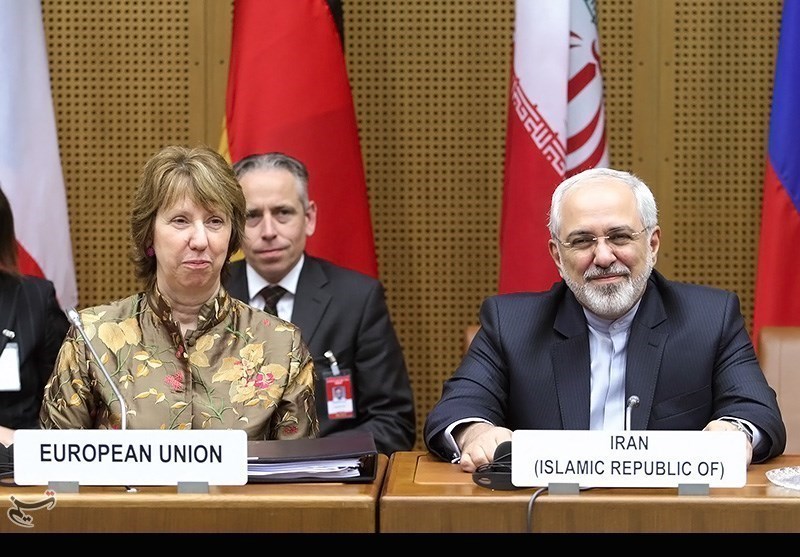
Michael Mann, the spokesman for EU Foreign Policy Chief Catherine Ashton, said working on the text of the future comprehensive agreement will take months.
"We still have a lot of work in the coming weeks and months, but the position of the EU High Representative remains unchanged- reaching an agreement that will satisfy all sides and remove the concerns of the international community in the peaceful nature of Iran's nuclear program," Mann said.
Taking into account the EU official's statements, it doesn't seem possible that the comprehensive deal will be completed by July 20, the deadline set to lift the sanctions imposed on Iran's economy.
On the other hand, the United States has warned that the time for resolving the nuclear dispute is short.
"Iran still has some hard decisions to make. We're concerned that progress is not being made and that time is short," a U.S. official who declined to be named said earlier, Reuters reported.
Meanwhile, an official close to the Iranian negotiating team criticized the West for pursuing unreasonable and "excessive demands" during the talks.
However, the representatives of the negotiating countries are also hopeful of success in the nuclear negotiations.
Iran's Foreign Minister Mohammad Javad Zarif described the Vienna discussions as "tough", saying the opportunity to settle the decade-long dispute should not be missed again.
"Opportunity shouldn't be missed again like in 2005," he wrote on his Twitter page.
Iran's President Hassan Rouhani has expressed optimism that the ongoing nuclear negotiations with the six world powers will result in a final agreement, despite the little progress in the latest talks.
He, however, noted that the Iranian nation is not afraid of sanctions and will continue resistance under any circumstances.
Araqchi said talks between Iran and the six countries have not failed and will continue in the near future.
The next round of talks between Iran and P5+1 - the United States, France, Germany, Britain, China, and Russia- is scheduled to take place on June 16-20.
Iran and the six countries have been discussing ways to iron out differences and start drafting a final deal that would end the West's dispute with Iran over its nuclear program.
Last November, the two sides signed an interim nuclear deal in the Swiss city of Geneva that came into force on January 20 this year.
Under the Geneva deal, the six countries pledged to provide Iran with some sanctions relief in exchange for Tehran's agreement to scale down certain aspects of its nuclear activities during a six-month period.
The six countries want Iran to dramatically cut back its uranium enrichment program, while Iran's is trying to get rid of the tough sanctions imposed on the country.
Here we are to serve you with news right now. It does not cost much, but worth your attention.
Choose to support open, independent, quality journalism and subscribe on a monthly basis.
By subscribing to our online newspaper, you can have full digital access to all news, analysis, and much more.
You can also follow AzerNEWS on Twitter @AzerNewsAz or Facebook @AzerNewsNewspaper
Thank you!