
OSCE chief warns against delays in agreeing Garabagh settlement principles
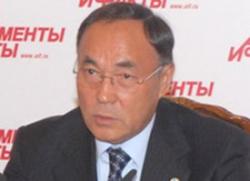
The OSCE Chairman-in-Office, Kazakh Foreign Minister Kanat
Saudabayev has warned that delays in agreeing basic principles of a
settlement to the Armenia-Azerbaijan Upper (Nagorno) Garabagh
conflict could have bitter consequences.
"We believe that further delays in adopting basic principles of a settlement to the Upper Garabagh conflict may adversely effect the negotiating process and undermine trust between the conflicting sides," Saudabayev told an OSCE and EU ministerial in Brussels. "In this regard, Kazakhstan is ready to facilitate agreeing uncoordinated issues on the basic principles and to directly participate in the process," Saudabayev said.
He noted that the key role in settling the Garabagh conflict is played by efforts of Azerbaijan, Armenia and the mediating OSCE Minsk Group co-chairs, according to the website of Kazakhstan's Foreign Ministry.
He considers that only joint efforts of the interested sides can foster a solution to the long-standing dispute.
"I believe that the European Union and OSCE, which have the same interests, may achieve success in this issue, working closely and coordinating their efforts," the OSCE chairman said.
Touching on other disputes facing the volatile region, Saudabayev welcomed the beginning of the process of normalization of Armenian-Turkish relations and regarded it as one of the significant events in the South Caucasus.
"Kazakhstan, as a country that has traditionally friendly and partnership relations with both countries, is making utmost efforts for the development of this process," he said.
Azerbaijan and Armenia fought a lengthy war that ended with the signing of a cease-fire in 1994, but Armenia continues to occupy Upper Garabagh and seven other Azerbaijani districts in defiance of international law. The OSCE’s Minsk Group, co-chaired by the United States, Russia and France, is brokering peace talks.*
Here we are to serve you with news right now. It does not cost much, but worth your attention.
Choose to support open, independent, quality journalism and subscribe on a monthly basis.
By subscribing to our online newspaper, you can have full digital access to all news, analysis, and much more.
Subscribe
You can also follow AzerNEWS on Twitter @AzerNewsAz or Facebook @AzerNewsNewspaper
Thank you!