
Armenian pullout ‘in limited timeframe’ key to conflict settlement
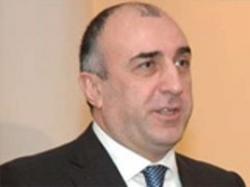
The withdrawal of Armenian troops from the occupied Azerbaijani
territories in a limited timeframe could be the key to resolving
the Upper (Nagorno) Garabagh conflict, Azerbaijani Foreign Minister
Elmar Mammadyarov said at the OSCE Ministerial Council meeting in
Athens on Wednesday.
"The Upper Garabagh conflict is a major source of instability in the South Caucasus and an obstacle in integration into the European community," the minister said.
Mammadyarov voiced his disappointment that 20 percent of the Azerbaijani territory is still under occupation and historical and cultural heritage sites are being appropriated in these areas. He also noted with regret that Azerbaijan has over a million refugees and IDPs, referring to the people displaced by the armed conflict in the early 1990s.
The minister said peace talks have been intensive this year, noting that this dynamic allows to deepen discussions on unresolved issues pertaining to the conflict settlement.
"I would like to note the positive dynamic of the latest negotiations, including those held in the framework of the [mediating] Minsk Group, which have led the co-chairs to intensify the talks," Mammadyarov added.
Mammadyarov said Baku is pursuing a constructive policy based on the peaceful coexistence of the Armenian and Azerbaijani communities in the Upper Garabagh region.
"It provides a basis to normalize the Armenia-Azerbaijan relations, while granting self-administration to Upper Garabagh within Azerbaijan. It would provide a firm and fair basis for resolving [the conflict] and substantially defusing tension," he said.
Speaking at the OSCE meeting later in the day, Eduard Nalbandian accused Mammadyarov of seeking to "distort" the essence of the Garabagh dispute and international efforts to resolve it. *
Here we are to serve you with news right now. It does not cost much, but worth your attention.
Choose to support open, independent, quality journalism and subscribe on a monthly basis.
By subscribing to our online newspaper, you can have full digital access to all news, analysis, and much more.
Subscribe
You can also follow AzerNEWS on Twitter @AzerNewsAz or Facebook @AzerNewsNewspaper
Thank you!