
Alibaba bonds lure Korea funds as rate cuts crush yields at home
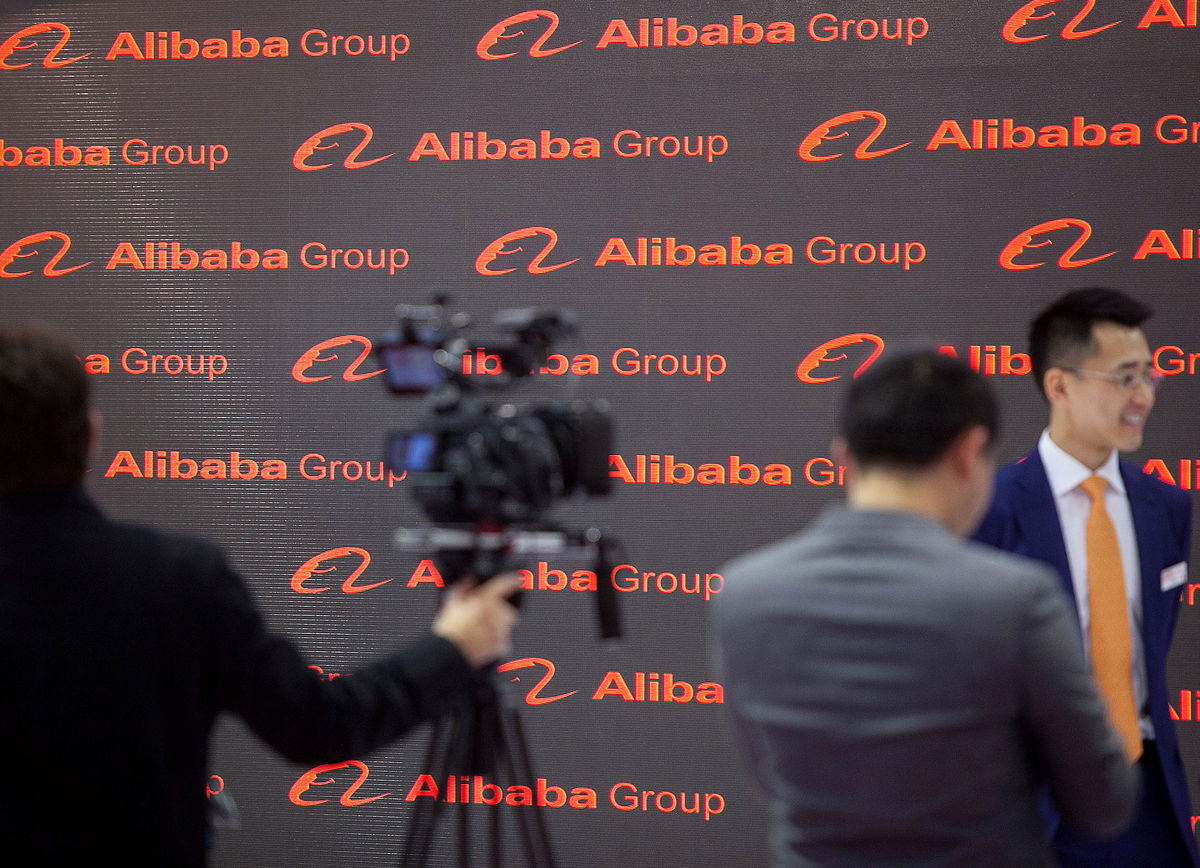
By Bloomberg
South Korean fund managers are turning to China’s dollar bond market to sate their hunger for yield as central bank interest-rate cuts spoil returns at home.
Korea Investment Management Co. this week opened a fund to invest in Chinese investment-grade dollar bonds, while Samsung Asset Management Co. and Mirae Asset Global Investments Co. are looking at higher-quality credits from the nation. The average yield for high-grade China bonds is 3.4 percent, compared with 2.2 percent for a similar Korean measure, Bank of America Merrill Lynch indexes show. Korean AA rated five-year local corporate won bonds pay 2.3 percent.
“The Chinese dollar bond market is growing explosively with an expanding pool of solid new issuers such as Alibaba and bank capital bonds,” Yunjin Kim, Seoul-based head of global fixed-income management team at Korea Investment Management, said in an interview. “They’re still relatively cheap considering their ratings. We believe there’s room to rally.”
As local yields tumbled toward historic lows, South Korean investors bought a net $18.3 billion in debt overseas last year, lifting holdings to an unprecedented $63.3 billion, central bank data show. An increase in top-rated issues, companies including Alibaba Group Holding Ltd. and Industrial & Commercial Bank of China Ltd, allowed funds to avoid bonds sold by developers whose prospects have been dented by a corruption crackdown that’s aggravated a property-market correction.
Safety Sought
“Korean insurers or other institutional investors have been selectively buying Chinese dollar bonds whose credit risk is low such as top-tier state-owned enterprises,” said Kim Jin Ha, the Seoul-based head of global fixed income at Mirae Asset Global Investments, which oversees 67 trillion won. “They are seeking to buy very safe bonds, which offer a bit more yield than Korean dollar bonds rather than taking risks.”
Chinese dollar bonds climbed 9.2 percent in the past year, compared with a 3.7 percent increase for Korean dollar bonds, according to JPMorgan Chase & Co. indexes. Kaisa Group Holdings Ltd., a developer caught up in a graft probe, will likely miss deadlines on bond coupons this week, a person familiar with the matter said. The greenback’s rise is also making payments on Chinese companies $1.1 trillion of outstanding dollar debt more difficult.
The yield premium on three-year Korean corporate bonds rated AA over the sovereign fell to 21 basis points on Tuesday, the lowest since at least 2010. South Korean three-year bond yields fell to a record-low 1.83 percent Thursday.
The extra yield investors demand to hold Chinese dollar notes of all ratings was 331 basis points, while Korea’s spread was 114 basis points, according to JPMorgan Chase & Co. indexes.
Relative Spreads
The premium on 10-year notes sold by Korea National Oil Corp., the state-run energy company rated Aa3 by Moody’s, was 95 basis points. A similar-rated 2024 note from Sinopec Group Overseas Development Ltd., the Chinese state-owned petrochemical company, traded at a 142 basis-point spread.
Korean institutional investors’ holdings in foreign- currency stocks, bonds and other securities increased the most last year since 2007 to $95.4 billion, the Bank of Korea said in a March 6 statement. Investment in foreign bonds increased 48 percent to $35 billion.
Samsung Asset, the nation’s biggest money manager with 183 trillion won in assets, is selectively looking into Chinese bonds whose rating is A or higher, said Wontark Doh, its head of global-fixed income. Samsung Asset prefers state-owned banks, state-owned enterprises such as petrochemical companies or solid private firms like Alibaba.
Risk Discount
“Chinese bonds are cheaper than Korean paper given similar ratings, though they seem a bit risky with a slowdown in the Chinese economy,” Doh said. “There’s still uncertainty about China in many respects and that’s the reason for some discount.” Exposure to potentially higher U.S. interest rates is another risk of dollar bonds, he said.
Korea Investment’s new fund aims to tap average yields of more than 4 percent, investing in Chinese dollar bonds rated BBB or higher by global rating companies, Kim said. Investment in property companies would be limited, she said. The Seoul-based asset management firm will do due diligence with help from analysts in its Shanghai office.
“Explosive growth in sales may lead to an explosive growth in demand,” Korea Investment’s Kim said. “That may attract investors who didn’t look at the market before, which could mean Chinese spreads tighten eventually.”
Here we are to serve you with news right now. It does not cost much, but worth your attention.
Choose to support open, independent, quality journalism and subscribe on a monthly basis.
By subscribing to our online newspaper, you can have full digital access to all news, analysis, and much more.
You can also follow AzerNEWS on Twitter @AzerNewsAz or Facebook @AzerNewsNewspaper
Thank you!