
The rise of German isolationism
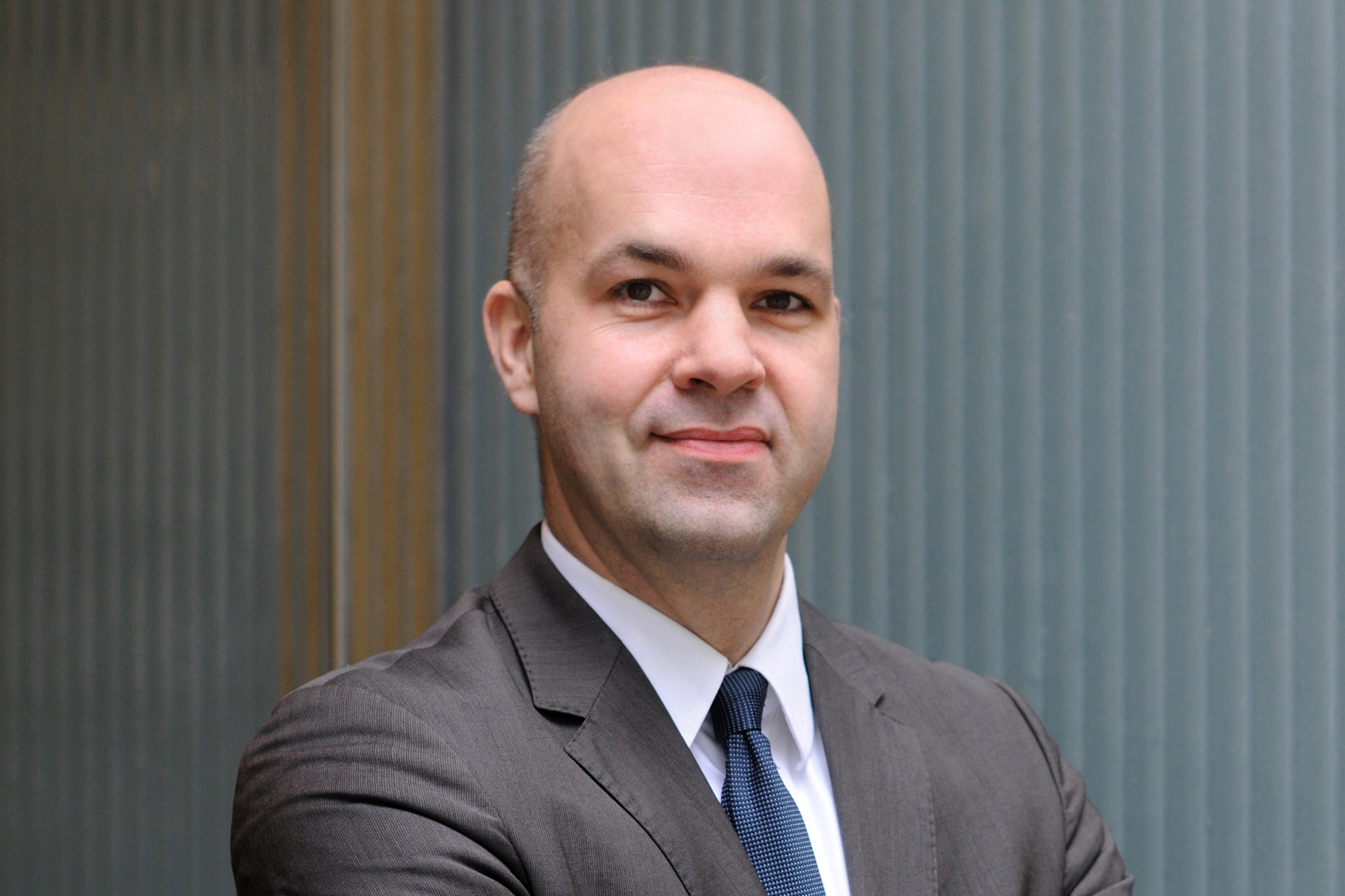
By Marcel Fratzscher
In Germany’s recent regional elections, voters delivered a
resounding rebuke to Chancellor Angela Merkel’s party, the
Christian Democratic Union. With an increasing number of Germans
losing confidence in a European solution to the ongoing refugee
crisis, calls for German isolation and unilateralism are growing
louder – and far-right political forces are gaining traction.
This is highly troubling, but it should not be shocking. The
European Union has consistently failed to find joint solutions to
shared problems, even as it has been wracked by a series of crises.
In the current refugee crisis, EU countries have shown a distinct
lack of solidarity with Germany, with many refusing to take on even
a small share of the burden. Despite the recent deal with Turkey
aimed at reducing the flow of Syrian refugees, most Germans do not
expect their EU partners to change course.
This is all the more infuriating for Germans, given that their
country bore the heaviest financial burden for the rescue programs
carried out in Cyprus, Greece, Ireland, Portugal, and Spain in
recent years. Add to that sense of betrayal the looming possibility
of a British exit from the EU, and it is not difficult to see why
Germans feel that distancing themselves from Europe may well be
their best bet.
Of course, for some Germans, the lack of solidarity regarding
refugees is simply a compelling excuse for blocking reforms that
they never supported in the first place, such as the completion of
a European banking union. But they are now attracting the support
of a growing number of Germans who previously might have disagreed
with their anti-EU stance. The notion that EU countries merely want
Germany’s money – the French, for example, have openly advocated
the creation of a “transfer union” – is on its way toward becoming
a majority view.
Against this background, if financial crises were again to
intensify, Germany’s EU partners probably could not expect the
country to agree to any financial rescue programs. In other words,
Europe’s real financial backstop no longer exists.
Thus, the failure to define a European response to the refugee
crisis, underpinned by genuine burden sharing, is destabilizing
Europe both politically and economically. Instability may not be
surprising in Greece, which has received some €240 billion ($255
billion) in official loans since 2010 and is the main frontline
country in the refugee crisis. But in Germany, which has been
remarkably stable for more than a decade and has been a pillar of
EU-wide stability during tumultuous times, it represents a highly
consequential reversal.
Merkel is paying a huge political price for her remarkable resolve
in promoting an open Europe. Worse, the far-right Alternative für
Deutschland party is the main beneficiary. Founded just three years
ago on an anti-European platform, the AfD has now made opposition
to refugees a cornerstone of its appeal. In the latest elections,
the AfD entered each regional parliament with a significant share
of the vote: 15.1% in Baden-Württemberg, 12.5% in
Rhineland-Palatinate, and 24% in Saxony-Anhalt.
Domestic social conflict is also on the rise. Politicians and
economists have been stoking fears among German citizens about the
massive costs of the influx of refugees, which has intensified the
struggle over high and rising levels of inequality in wealth and
wages. Finance Minister Wolfgang Schäuble has proposed raising
taxes in Europe on gasoline to finance the additional expenditures
for refugees, although public budget surpluses in Germany amounted
to close to €20 billion, or 0.7% of GDP, in 2015.
The refugee crisis is fundamentally changing German economic-policy
priorities. The German government has been all but reneging on its
commitments to strengthen significantly public investment in
infrastructure and education. Other urgently needed reforms, such
as to taxation and family policies, are also being postponed. With
every refugee coming to Germany, it becomes more unlikely that
Schäuble will be able to deliver on his promise of a “Schwarze
Null” – a federal budget surplus – in the important election year
of 2017.
The likely outcome is a further cut in public investment, combined
with additional social spending and an increase in the minimum
wage, which would benefit some Germans, but also make it more
difficult for refugees to find jobs. Urgent reforms will be
postponed further, and Germany’s economic prospects will be
weakened.
The refusal of European leaders to take responsibility and agree on
a shared solution to the refugee crisis is not just hurting the
refugees; it is also damaging the EU’s future, as it weakens
Germany’s willingness to reform and engage with the rest of Europe.
Make no mistake: If matters continue on their current course, the
narrow-minded nationalism that is on the rise in Germany today will
come back to haunt each and every EU member.
Copyright: Project Syndicate: http://The Rise of German Isolationism
---
Follow us on Twitter @AzerNewsAz
Here we are to serve you with news right now. It does not cost much, but worth your attention.
Choose to support open, independent, quality journalism and subscribe on a monthly basis.
By subscribing to our online newspaper, you can have full digital access to all news, analysis, and much more.
You can also follow AzerNEWS on Twitter @AzerNewsAz or Facebook @AzerNewsNewspaper
Thank you!