
Iranian parliament OKs generalities of bill on implementing JCPOA
By Aynur Karimova
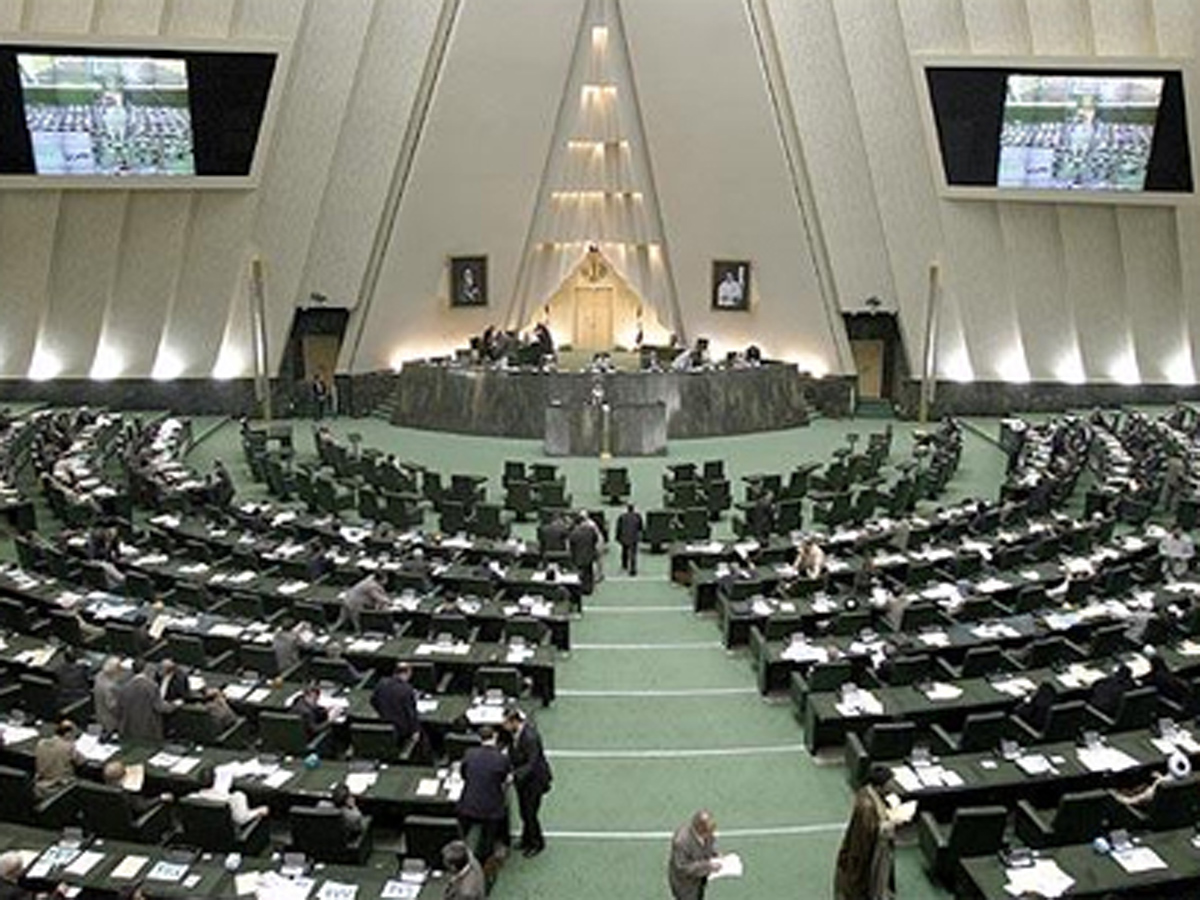
The Iranian parliament has approved the long-awaited generalities of a disputed bill on implementing the Joint Comprehensive Plan of Action.
The bill termed “Iranian government's reciprocal and proportional action in implementing the JCPOA” was passed by 139 positive votes in an open session on October 11.
A total of 254 lawmakers attended the session, 100 MPs voted against the bill and six abstained,Iranian media reported.
Details of the bill will be discussed in the parliament on October 13.
The JCPOA was reached between Iran and the P5+1 (the U.S., the U.K, France, Russia, China and Germany) on July 14. It will curb Iran’s nuclear program in return for lifting economic sanctions.
The bill was approved on October 5 by the National Security and Foreign Policy and Energy Commissions of the parliament.
It will allow the government to take measures in line with the constitution and the country’s red lines regarding the JCPOA. The government is also required to stop the implementation of the Additional Protocol to the Non-Proliferation Treaty – which allows unannounced inspections outside of declared nuclear sites – if the West doesn’t cooperate in the implementation of the JCPOA.
The government is also obliged to carry out commercializing nuclear activities, research and development issues.
Experts believe that the nuclear agreement gives Iran a great opportunity as Iran comes out of political, economic, and international isolation and retains its alliances with the world, especially with the West. This alliance is good both for the people of Iran and the West because it provides an opportunity for Iran to further interact with others whether through trade, investment, and tourism or for talks on regional issues.
It is also believed that the agreement will undoubtedly create a positive atmosphere for the Iranian economy. The lifting of sanctions, meant to remove the long and difficult barriers that challenged Iran’s economic activities in past years, will open money transfer channels, reduce inflation as a result of foreign trade, facilitate investment in Iran’s industrial and economic sectors, as well as return blocked foreign exchange sources to the government and economic companies.
Thus, these factors could create a positive atmosphere and will be beneficial for the average Iranians.
The nuclear agreement is believed to facilitate economic relations between the West and the Islamic Republic as well. Many companies representing different sectors of the economy have voiced their intentions, and some of them are even engaged in talks with Tehran with the hope of returning to the vast Iranian market immediately after the removal of sanctions.
--
Aynur Karimova is AzerNews’ staff journalist, follow her on Twitter: @Aynur_Karimova
Follow us on Twitter @AzerNewsAz
Here we are to serve you with news right now. It does not cost much, but worth your attention.
Choose to support open, independent, quality journalism and subscribe on a monthly basis.
By subscribing to our online newspaper, you can have full digital access to all news, analysis, and much more.
You can also follow AzerNEWS on Twitter @AzerNewsAz or Facebook @AzerNewsNewspaper
Thank you!