
Uzbekistan to expand co-op with int'l organizations in vegetable production
By Aynur Jafarova
Uzbekistan is planning to expand cooperation with international organizations, foreign investors, entrepreneurs, banks, scientists and specialists in the field of production of fruits and vegetables.
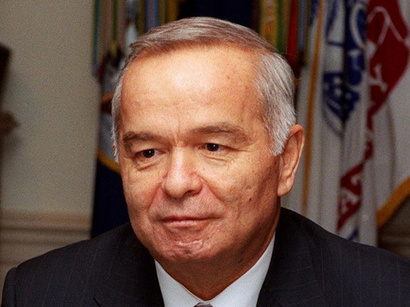
These remarks were made by Uzbek President Islam Karimov at an international conference on implementation of the food program in the country.
"In accordance with our estimates, in 2020 we are supposed to increase production of fruits and vegetables, grape and melons by at least 2.3 times compared to 2014," he said.
The head of state also informed the participants about the unique soil and climatic conditions in Uzbekistan, creating exceptionally favorable conditions for growing fruits and vegetables in a wide range.
"As experts say, the fruits and vegetables which are grown in our country exceed significantly similar production of other regions in terms of natural ingredients including sugar, amino and organic acids, important elements and other biologically valuable substances for health," Karimov added.
Uzbek farmers have cultivated more than 170 varieties of vegetables, melons and potatoes, as well as 175 new varieties of fruit and berry crops and grape so far.
Currently, Uzbekistan exports more than 180 kinds of fresh and processed fruit and vegetable products to 80 countries, and the country is among the ten leading suppliers in terms of the volume of such exports.
Uzbek president also stressed the importance of timely delivery of products from the farm to the consumers' houses and the reduction of loss of times on this route.
At present, the country has more than 1,300 storages of fruit and vegetable production with the capacity of over 630,000 tons per year.
Also, there are facilities in the Navoi free economic zone for the storage of more than 3,000 tons of fresh fruits and vegetables in an appropriated condition for export to the European and Asian markets.
The Uzbek companies will commission Liepaja transport and logistics center at Baltic port with the daily storage capacity of 1,500 tons in the near future, through which fresh fruits and vegetables will be exported to Northern and Western Europe.
Currently, there are about 400 enterprises with foreign direct investment, working in the areas of production of fresh products and manufacturing of food products on the basis of deep processing. Only in 2013, these enterprises produced goods worth more than $800 million, including exports worth more than $200 million.
Uzbekistan is planning to implement additional 265 investment projects on the handling and processing of raw fruit and vegetable totaling approximately $150 million within 1.5-4 years in the coming years.
Karimov went on to say that Uzbekistan produces nearly 16 million tons of fruit and vegetable products and over 7.8 million tons of cereals per year.
"As a result of the cardinal reforms carried out in the years of independence, the cereal production has increased from 900,000 tons to 7.8 million tons in last 22 years, thus turning the country into a main grain exporter. We imported around five million tons of wheat before," Karimov said.
The president also noted despite the population growth by 10 million people, the volume of agricultural production has more than doubled in the period of the country's independence.
Meat consumption per capita has increased by 1.3 times, milk and milk products by 1.6 times, potato by 1.7 times, fruit by almost four times and vegetable consumption has more than doubled.
The country produces nearly 300 kilograms of vegetables, 75 kilograms of potato, 44 kilograms of grapes per capita, which exceeds the optimal consumption rates by nearly three times.
The conference was organized to discuss and work out proposals on the full use of reserves and the opportunities to meet the growing demand of the world food market.
The conference was attended by over 200 representatives from 40 countries, as well as a number of international organizations, such as the World Health Organization, Organization of Islamic Cooperation, The United Nations Economic and Social Commission for Asia and the Pacific, the International Fund for Agricultural Development, International Center for Agricultural Research in Dry Areas and the international financial institutions such as the World Bank, the Asian Development Bank, the Islamic Development Bank and the International Finance Corporation.
Here we are to serve you with news right now. It does not cost much, but worth your attention.
Choose to support open, independent, quality journalism and subscribe on a monthly basis.
By subscribing to our online newspaper, you can have full digital access to all news, analysis, and much more.
You can also follow AzerNEWS on Twitter @AzerNewsAz or Facebook @AzerNewsNewspaper
Thank you!