
IAEA inspects Iran’s Arak heavy water plant
By Sara Rajabova
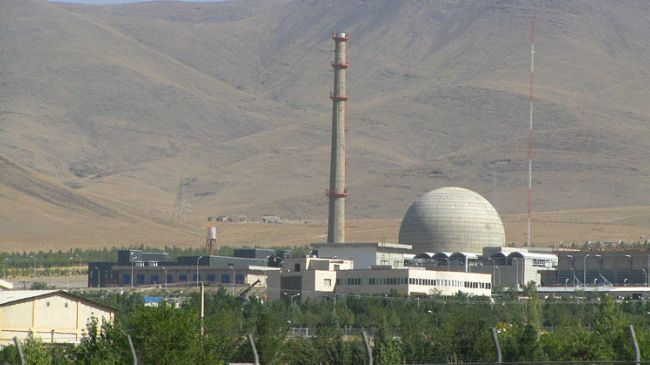
Inspectors from the International Atomic Energy Agency (IAEA) started their visit to the Arak heavy-water reactor of Iran.
The IAEA inspectors arrived in Iran on December 7 to visit the country's nuclear facility.
It was the first time in more than two years that the UN nuclear agency had been allowed to visit the reactor, seen by the West as a potential source of nuclear bomb fuel, Press TV reported.
Iran refutes Western accusations that it is seeking the capability to make atomic bombs and says the research reactor near the town of Arak, some 250 km (155 miles) southwest of the capital Tehran, will produce only radio-isotopes for medicine.
The inspection is carried out as part of a joint statement that Iran and the UN nuclear agency signed on further cooperation on Tehran's nuclear activities in the Iranian capital on November 11.
Iran and the UN nuclear agency agreed on a roadmap for more cooperation on outstanding nuclear issues. Under the agreement, Iran would, on a voluntary basis, allow the IAEA inspectors to visit Arak heavy water plant and Gachin uranium mine in Bandar Abbas, in southern Iran.
Behrouz Kamalvandi, the spokesman for the Atomic Energy Organization of Iran (AEOI), said the IAEA inspection of Gachin mine will be discussed during the upcoming meeting between representatives from Iran and the UN nuclear agency on December 11 in Vienna.
The Iran-IAEA discussions are separate from, but closely linked to, negotiations between Tehran and six world powers which reached a historic deal in Geneva on November 24. Under the interim agreement, Tehran will offer some concessions on its nuclear program in exchange for limited relief from the sanctions.
Kamalvandi also said AEOI has provided the UN nuclear agency with information about the country's new generation of centrifuges.
He added the new generation of centrifuges has more capacity compared to the first and second generations and have undergone initial tests.
Kamalvandi said the new generation was produced in line with the AEOI policy to enhance enrichment machinery and increase production capacity.
The Western countries suspect that Tehran's nuclear program is aimed at developing nuclear weapons capability, but Iran insists it is purely for peaceful purposes.
Tehran has rejected their allegations, arguing that since the country is a signatory to the Non-Proliferation Treaty and a member of the IAEA, it is entitled to developing nuclear technology for peaceful purposes.
Here we are to serve you with news right now. It does not cost much, but worth your attention.
Choose to support open, independent, quality journalism and subscribe on a monthly basis.
By subscribing to our online newspaper, you can have full digital access to all news, analysis, and much more.
You can also follow AzerNEWS on Twitter @AzerNewsAz or Facebook @AzerNewsNewspaper
Thank you!