
Turkish FM warns of “foreign policy surprises”
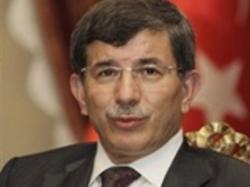
Turkish Foreign Minister Ahmet Davutoglu has said Turkey should be
prepared "for any surprise in foreign policy any time."
He was commenting in an interview with the local NTV channel on the chances for US Congress recognizing the alleged World War I-era genocide of Armenians ahead of April 24, the day considered by Armenians to be the date marking what they call mass killings of their countrymen in the Ottoman Empire.
Davutoglu said that it would be unfair for the Turkish people to face accusations in Congress or elsewhere over these developments, which have been left in history but are causing bitterness for both sides, adding, however, that "worrying over this would be unbecoming Turkey."
Armenia and Turkey have been at odds for decades, with the "genocide" issue being one of the obstacles to normal relations. In a bid to end the long-standing hostility, the two governments signed protocols in Zurich on October 10, 2009 to establish diplomatic relations and reopen their borders. However, the documents require parliamentary ratification, and Ankara has ruled out normalization with Yerevan until the conflict between Armenia, which occupies part of Azerbaijani territory, and Azerbaijan, Turkey’s ally, has been fairly resolved. Some analysts say that the U.S. is likely to put pressure on Ankara to approve the protocols ahead of April 24 under the pretext of recognizing the alleged genocide.*
Here we are to serve you with news right now. It does not cost much, but worth your attention.
Choose to support open, independent, quality journalism and subscribe on a monthly basis.
By subscribing to our online newspaper, you can have full digital access to all news, analysis, and much more.
Subscribe
You can also follow AzerNEWS on Twitter @AzerNewsAz or Facebook @AzerNewsNewspaper
Thank you!