
Samsun-Ceyhan project seen as alternative for Russian oil exports to Mediterranean
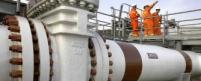
Bulgaria's refusal to participate in the Trans-Balkan pipeline project that aims to build the Burgas-Alexandroupolis oil pipeline will increase significance of the Samsun-Ceyhan project for Russia, Turkish international research center USAK’s analyst Hasan Selim Ozertem says.
"At present, the Samsun-Ceyhan project may be an alternative option for transporting Russian oil to the Mediterranean Sea," Ozertem told the Baku-based Trend news agency on Thursday.
He believes that Russia, preferring Trans-Balkan pipeline for oil supplies to the Mediterranean, after the problems that emerged with this project may consider its involvement in the Samsun-Ceyhan project.
Bulgarian Finance Minister Simeon Djankov said a day earlier that Bulgaria was terminating its participation in the Trans-Balkan pipeline project.
An agreement on the construction of the Burgas-Alexandroupolis oil pipeline was signed by Russia, Greece and Bulgaria in March 2007. The pipeline was supposed to pass from the Bulgarian city of Burgas on the Black Sea coast to the Greek Alexandroupolis on the Aegean Sea. The pipeline is designed to ensure Russian oil supplies to the Greek port of Alexandroupolis through Bulgaria, bypassing Turkey's Bosporus Straits.
Ozertem said the implementation of Trans-Balkan pipeline project initially faced some challenges. First, throughput capacity of the pipeline is small, and secondly, loading tankers with oil in the Aegean Sea is a complex process.
"Russia and Bulgaria held negotiations on the project implementation for about a year and failed to reach agreement," he said.
Bulgaria's refusal to participate in the project may be due to disagreements with Russia regarding control over the pipeline, which was expected to be transferred to the Russian side, and Bulgaria's concerns that the passage of the pipeline through the country's southern part may harm tourism zones.
The Samsun-Ceyhan pipeline is designed to pump 60-70 million tons of oil per year. The project involves Russian energy majors Transneft and Rosneft as well as Sovcomflot.
The Turkish side is represented by the Group Calik. In addition, Italian Eni is involved in the construction of the pipeline.
In the fall of 2011, Transneft announced a halt in the negotiations on the pipeline due to the lack of its profitability.
According to research, one ton of oil supplied under the project will cost $19-$20, whereas transportation costs through the Bosporus Straits make up $6-$8 per ton.
Here we are to serve you with news right now. It does not cost much, but worth your attention.
Choose to support open, independent, quality journalism and subscribe on a monthly basis.
By subscribing to our online newspaper, you can have full digital access to all news, analysis, and much more.
You can also follow AzerNEWS on Twitter @AzerNewsAz or Facebook @AzerNewsNewspaper
Thank you!