
Malaria risk areas revealed
By Amina Nazarli
Azerbaijan, for the first time, has carried out the monitoring to define areas at risk of malaria, said Xayyam Rahimov, the Head of the Climate Department of the Geography Institute of ANAS.
He said that the country’s territory has been divided into several regions as part of efforts to cope with the disease spread risk including five areas, six sub-areas and 39 regions.
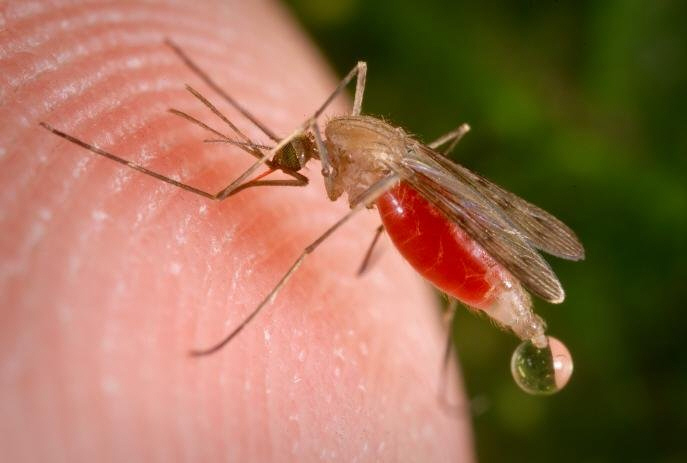
Malaria is caused by a parasite called Plasmodium, which is transmitted via the bites of infected mosquitoes. In the human body, the parasites multiply in the liver, and then infect red blood cells.
Symptoms of malaria include fever, headache, and vomiting, and usually appear between 10 and 15 days after the mosquito bite. If not treated, malaria can quickly become life-threatening by disrupting the blood supply to vital organs.
The country recorded a number of malaria infection cases in early 1990s. However, in 2013 only 3-4 cases were reported, said Rahimov. “Currently malaria does not threat Azerbaijan. However, no one can guarantee that it cannot occur for some reason,” he stressed.
Since the beginning of the 20th century, five outbreaks of malaria were reported in Azerbaijan. The most serious case was recorded in 1931-39s, when the number of infected people reached 660,000. The second significant malaria epidemic broke out in the 1990s with the number 13,135 sick people.
During the recent research, the specialists revealed that the length of malaria season varies depending on climatic conditions of a territory.
For example, “the territories at a height of up to 500-600 meters located in the Kur-Araz lowland, in the foothills of the Greater and Lesser Caucasus, are prompt to a risk of the malaria infection. The expiration of malaria infection can last for more than 140 days in these areas. The period of infection reduces with the height of the region,” he noted.
Speaking about the territories with the highest risk of malaria, Rahimov referred to the Kura-Araz lowland. In Nakhchivan, Autonomous Republic the most risky areas are those located at a height of 1,000 meters. The infection period may last for four months.
The risk of malaria infection is also present at the area of the Greater Caucasus, where the risk may reach a height of 1,400-1,550 meters above sea level as well as an area of the Lesser Caucasus - 1,750-1,800 meters and Talysh Mountains - up to 2,300-2,350 meters. Above the mentioned height, there is no risk of malaria. However, in some hot days, the disease may prevail.
“It does not mean that malaria is necessarily seen in these areas. Climatic factors, mudslides, socioeconomic conditions influence the spread of the disease,” he concluded.
Here we are to serve you with news right now. It does not cost much, but worth your attention.
Choose to support open, independent, quality journalism and subscribe on a monthly basis.
By subscribing to our online newspaper, you can have full digital access to all news, analysis, and much more.
You can also follow AzerNEWS on Twitter @AzerNewsAz or Facebook @AzerNewsNewspaper
Thank you!