
Analysts speculate on Iranian minister’s Baku visit aims
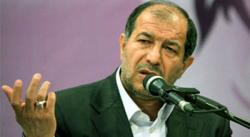
Iranian Interior Minister Mostafa Mohammad Najjar has arrived in
Azerbaijan for a visit that he said aims to expand economic and
trade relations. Azerbaijani analysts opined, however, that other
goals pursued by Tehran are behind the visit.
"There is potential to develop relations between Iran and Azerbaijan in trade, economics, energy, oil and gas, the chemicals industry and other fields. Common markets can be created between the two countries as well. It is also possible to cooperate in the field of security," Najjar told reporters in Baku on Monday.
Hosting the Iranian minister, President Ilham Aliyev said the visit would give a new incentive to the fraternal relations between Azerbaijan and Iran, expressing confidence that bilateral ties would continue to strengthen.
Najjar described the fact that the governors of four regions bordering on Azerbaijan are part of the Iranian delegation as an indicator of the great importance Tehran attaches to the visit.
Najjar met with his Azerbaijani counterpart Ramil Usubov on the same day. Usubov said such meetings facilitated joining efforts in fighting trans-national organized crime and international terror, according to the Azerbaijan Interior Ministry. After the meeting, the ministers signed a joint protocol on cooperation in the areas of security, combating crime, terrorism and drug trafficking.
The Iranian interior minister is scheduled to hold several more meetings at Azerbaijani ministries. A number of documents are to be signed during the visit, Iranian media reported. The visit, which is being paid at the Azerbaijani interior minister’s invitation, will last till Wednesday.
Political commentator Sadraddin Soltan believes Najjar’s visit, in fact, does not pertain much to economic and trade issues, and these goals were indicated merely to avoid disclosing the actual reasons of the visit.
Soltan noted that one of the reasons could be a certain cool-down that has lately been seen in US-Azerbaijan relations due to Washington’s position on Armenia, referring to Baku’s blaming the U.S. for failing to take an impartial stance on the Upper (Nagorno) Garabagh conflict and siding with Armenia, which occupies part of Azerbaijani territory. Another reason, according to the analyst, could be Najjar’s previously serving as Iran’s defense minister, as Tehran could thus offer to Azerbaijan its military assistance, which it is already providing to Armenia. But first and foremost, Iran’s current predicament could be the primary reason for Najjar’s holding talks in Baku, Soltan said.
"For example, recently Iran has allocated $2 billion from its state budget to buy and store food and other basic goods. These preparations could stem from both the embargo against Iran and from the possibility of military operations. It is very likely that some discussions will be held with Azerbaijan in this respect."
Iran's uranium enrichment in defiance of several rounds of United Nations Security Council sanctions has spurred world powers to consider tougher measures to halt what the West fears is a covert nuclear weapons drive. If Tehran remains defiant over its nuclear plans, a UN arms embargo and a ban on oil and gas investment could be imposed. Iran denies seeking to build an atomic bomb and says it only wants to uranium enrichment to generate electricity and medical isotopes.
Soltan said the gasoline issue could be brought to the agenda of Najjar’s talks as well.
"It is known that the U.S. talks tough to the countries selling gasoline to Iran. A number of major companies have now halted gasoline exports to this country. It is therefore possible that talks will be held regarding energy resources and their security," the pundit concluded.
A group of Iranian lawmakers - members of the Iran-Azerbaijan inter-parliamentary friendship group – visited Baku last week. During a meeting with their Azerbaijani counterparts, head of the Milli Majlis’ (parliament) friendship group with Iran, Eldar Ibrahimov, said Baku "had said ‘no’" to a possible use of Azerbaijani territory against Iran.
Arastun Orujlu, head of the East-West Research Center, says Azerbaijan’s latest rhetoric favoring Iran, which was voiced by Eldar Ibrahimov and others, cannot bring any benefits to Azerbaijan. "If Russia is turning Iran down, Azerbaijan’s displaying brotherhood to it will be of no importance."
The Russian government said earlier Moscow could support additional sanctions on Iran but any measures must be focused only on preventing the proliferation of nuclear materials.*
Here we are to serve you with news right now. It does not cost much, but worth your attention.
Choose to support open, independent, quality journalism and subscribe on a monthly basis.
By subscribing to our online newspaper, you can have full digital access to all news, analysis, and much more.
Subscribe
You can also follow AzerNEWS on Twitter @AzerNewsAz or Facebook @AzerNewsNewspaper
Thank you!