
Garabagh negotiator details updated peace plan
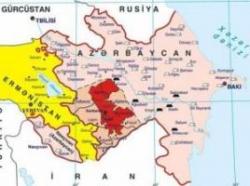
The French mediator brokering settlement to the Armenia-Azerbaijan
conflict has said any solution of the long-standing dispute is to
cover granting an interim status and ensuring the security of Upper
(Nagorno) Garabagh and the return of Azerbaijanis displaced during
the 1990s hostilities to their homes, Armenian media reported.
Bernard Fassier, who co-chairs the OSCE Minsk Group mediating the peace process, detailed the content of the updated Madrid principles for a conflict settlement while addressing the NATO Parliamentary Assembly’s Rose Roth seminar in Yerevan. He said the document envisions holding a referendum with the participation of the people who lived in Upper Garabagh prior to the war, ensuring a corridor between Armenia and Garabagh, refugees’ return to their native lands and providing for sustainable peace in the conflict zone with the aid of international forces.
The updated version of the Madrid principles, a peace outline on settling the conflict initially proposed by the OSCE mediators in 2007, was submitted by the co-chairs to Azerbaijan and Armenia two months ago and is presently under discussion.
Fassier said conductive time has arrived to step up the negotiating process.
Recalling that Azerbaijani Foreign Minister Elmar Mammadyarov has recently met with the Minsk Group co-chairs in Paris, the co-chair said his Armenian counterpart Eduard Nalbandian is expected to head to the French capital next Tuesday to hold similar talks.
Fassier went on to say that Armenia is seeking to apply the Kosovo precedent to the Garabagh conflict, but this is impossible. According to him, there are no similarities between the two conflicts.
"Kosovo is an in-country conflict, while Garabagh is a conflict waged by Upper Garabagh with Azerbaijan, the central authority, and between Armenia and Azerbaijan. Moreover, international forces have had a presence in Kosovo for many years, which is not the case for Garabagh."
Fassier claimed that Upper Garabagh’s joining peace talks in the future is acceptable, and the sooner this happens, the better. He emphasized, however, that its participation in negotiations would be possible only if certain objectives are met, including peaceful co-existence of the population, local residents’ considering themselves neighbors, and the return of the people who previously lived in the region to their homes. "In that case they will be entitled to participating in talks."
Fassier made clear that, when referring to Upper Garabagh’s joining peace talks, he does not imply the separatist "Upper Garabagh Republic", because "this is a republic which has not been recognized by any country, including Armenia."
Novosti Armenii news agency reported that Fassier said Azerbaijan would allegedly fail to seal a win if hostilities erupt anew in the conflict zone. The diplomat believes that a fresh war would not benefit Azerbaijan and damage its financial interests and oil exports. The co-chair opined that the confidence of international investors channeling funds into the Azerbaijani economy would falter and they would refrain from investing in the country due to their investments being endangered.*
Here we are to serve you with news right now. It does not cost much, but worth your attention.
Choose to support open, independent, quality journalism and subscribe on a monthly basis.
By subscribing to our online newspaper, you can have full digital access to all news, analysis, and much more.
Subscribe
You can also follow AzerNEWS on Twitter @AzerNewsAz or Facebook @AzerNewsNewspaper
Thank you!