
U.S. calls for ‘unconditional’ approval of Turkey-Armenia accord
A top State Department official has said both normalization of the
Turkish-Armenian relations and settlement of the Armenia-Azerbaijan
Upper (Nagorno) Garabagh conflict are important for the United
States.
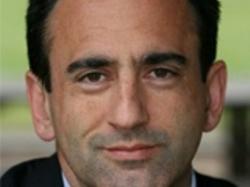
Philip Gordon, US Assistant Secretary of State for European and Eurasian Affairs, said Washington backs the rapprochement between Turkey and Armenia and is seeking approval of the protocols on forging diplomatic ties signed by Ankara and Yerevan in October.
"We believe that this suits both Turkey and Armenia and, at the same time, it will help to further peace and stability in the region," said Gordon.
He called for completing the normalization process in an acceptable timeframe.
"We are expecting steps to be made forward in the shortest time possible. The protocols were signed by the foreign ministers on October 10 and they have been submitted to [the two countries’] parliaments. This is good. We now request that both countries ratify the protocols unconditionally and regardless of any other issues as soon as possible."
The protocols, which were signed by the Turkish and Armenian governments in Zurich, seek to forge diplomatic ties and open the sealed border, following decades of hostility caused by the Armenian occupation of Azerbaijani territory and claims on "genocide" in the Ottoman Empire. Ankara says ratification of the documents depends on Garabagh settlement.
Gordon went on to say that the U.S. deems the Garabagh conflict as a serious problem and is actively involved in efforts to find its solution.
"It is not because we see Garabagh settlement as a road leading to the normalization of Turkey-Armenia relations. This is because solving this problem could greatly contribute to restoring peace and stability in the region, which would benefit both Armenia and Azerbaijan."
Azerbaijan and Armenia have been locked in conflict for nearly two decades. Armenia has been occupying over 20% of Azerbaijan’s territory since the end of warfare in the early 1990s. The OSCE Minsk Group, co-chaired by the United States, Russia and France, is brokering peace talks.
Gordon said the U.S. was keen on both normalizing Turkish-Armenian relations and a successful completion of the Garabagh peace process. "If both processes are a success, this will be a historic event for the region."
Asked by an Armenian journalist about Turkey’s alleged "turning its back" on Europe and the West, the assistant secretary said Washington was content with Ankara’s efforts in addressing issues of global scale.
"Turkey is still interested in joining the European Union, which we support. If Turkey speaks about working together with the U.S. on emerging problems, this country does not appear to me as a state turning its back on the West or one that’s going in a different direction," Gordon said.*
Here we are to serve you with news right now. It does not cost much, but worth your attention.
Choose to support open, independent, quality journalism and subscribe on a monthly basis.
By subscribing to our online newspaper, you can have full digital access to all news, analysis, and much more.
Subscribe
You can also follow AzerNEWS on Twitter @AzerNewsAz or Facebook @AzerNewsNewspaper
Thank you!